
History is full of famous men whose names we all recognize. What’s less well known is that many of them had sisters who were every bit as fascinating, accomplished, and worthy of a place in our history books.
These women were prodigies, warriors, educators, artists, spiritual leaders, and fierce advocates for the people around them. Some helped their famous brothers achieve extraordinary things, while others built remarkable lives and legacies of their own—even if they didn’t become household names.
Their stories may have been overshadowed by the men they happened to be related to, but that by no means makes them any less extraordinary. Here are seven unsung sisters of famous men who deserve a whole lot more recognition:
Maria Anna Mozart
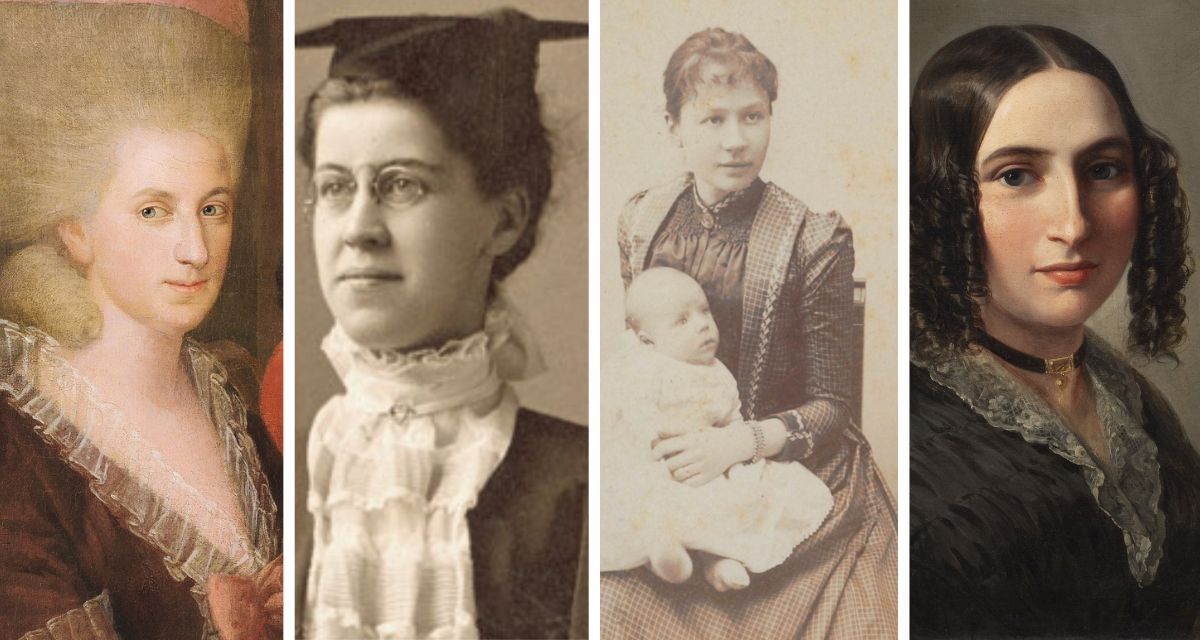
Maria Anna Mozart, known to those close to her as “Nannerl,” was the elder sister of classical music legend Wolfgang Amadeus Mozart by five years.
As noted by The Collector, she was a gifted keyboard player and musical prodigy who toured Europe with her brother. As Wolfgang’s older sister, she also influenced his early musical development. When he composed his first symphony as a child, Nannerl wrote it down for him, and some have speculated that she may have contributed to the composition.
Her father eventually stopped her public performances so she could focus on marriage, cutting short a promising career as a musician.
Even though her own compositions have been lost to history, Wolfgang clearly admired his sister’s musical abilities. In one letter, he praised a song she had composed and expressed amazement at how well she could compose.
Sundari Nanda
This remarkable woman was not only the half-sister of the Buddha but also became enlightened herself.
After Siddhartha Gautama attained enlightenment, many members of his family renounced worldly life and joined the monastic order. Wanting to stay close to her family, Princess Sundari followed.
According to early Buddhist texts like the Therīgāthā, Sundari initially avoided the Buddha because she was attached to her celebrated physical beauty and feared he would criticize her vanity. As the story goes, the Buddha helped Sundari overcome her attachment to her physical form through a psychic vision. This realization ultimately helped lead her toward enlightenment.
Katharine Wright
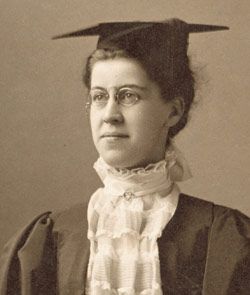
Photo credit: Wikimedia Commons
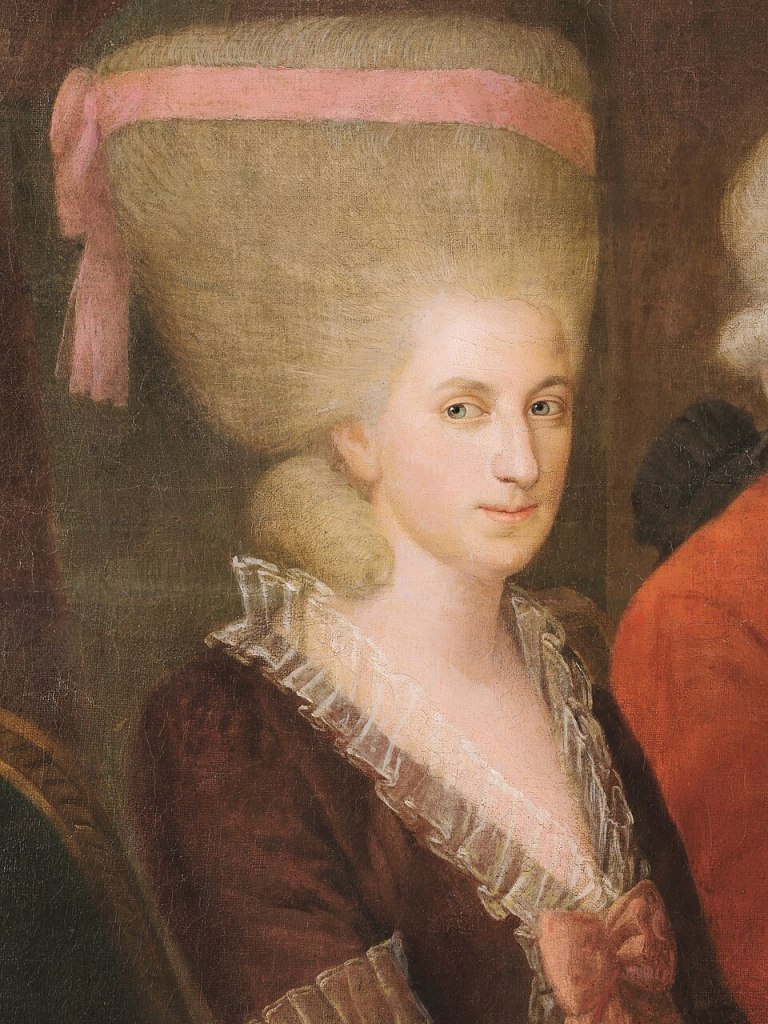
Katharine Wright, nicknamed “Swes” by her family, was the youngest child and only surviving daughter of the Wright family. Despite being younger than her brothers, Katharine took on many household responsibilities after her mother died when she was 14. Still, she managed to attend college and build a career as a teacher.
Katharine maintained her teaching career while supporting her brothers Orville and Wilbur during their flight experiments. Eventually, she stepped away from teaching to take on a multitude of vital administrative and even diplomatic roles. Her handling of public relations and business affairs helped her famous brothers achieve global aviation success. She also became the third woman to fly in an airplane.
Johanna ‘Jo’ van Gogh-Bonger
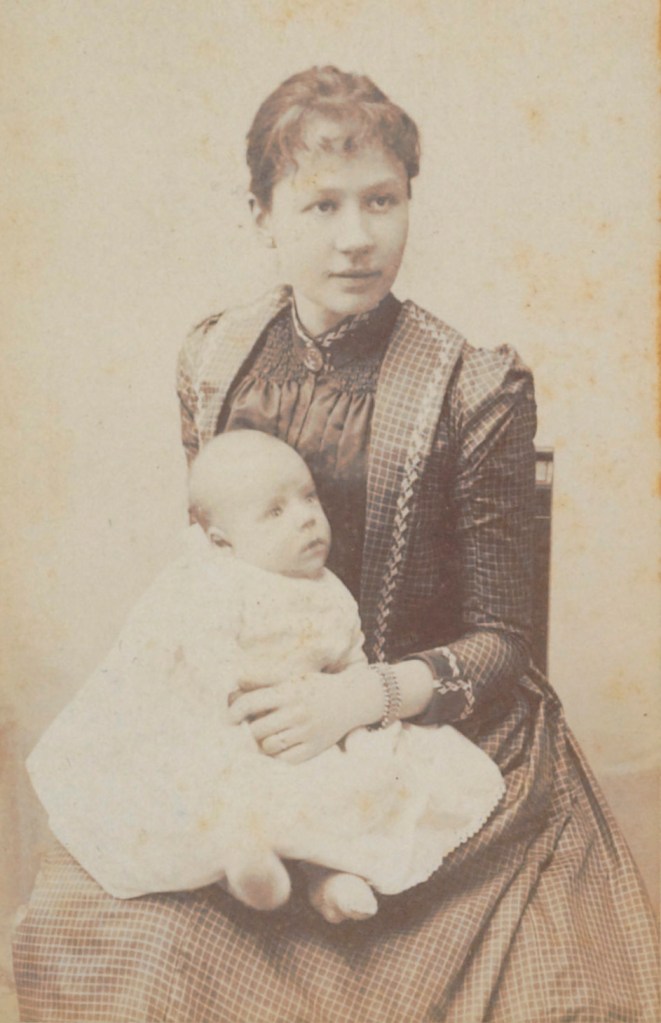
Photo credit: Wikimedia Commons
Okay, technically a sister-in-law to a famous man from history, but Johanna was so instrumental in Vincent van Gogh becoming a famous historical figure that we had to include her.
After Vincent and Theo (Vincent’s brother and Jo’s husband) died within six months of each other in 1890 and 1891, Jo was left in charge of Vincent’s paintings, drawings, and letters. She devoted herself to building his reputation, strategically selling and lending his work and organizing exhibitions that helped introduce his art to a much wider audience. She also edited and published Vincent’s letters to Theo, helping shape how the world came to understand the artist and his life.
There’s also Cornelia “Cor” van Gogh, Vincent’s younger sister. While his brotherly bond with Theo van Gogh is the stuff of legend, Vincent also corresponded with his siblings, offering another window into his private thoughts and family relationships.
Fanny Mendelssohn
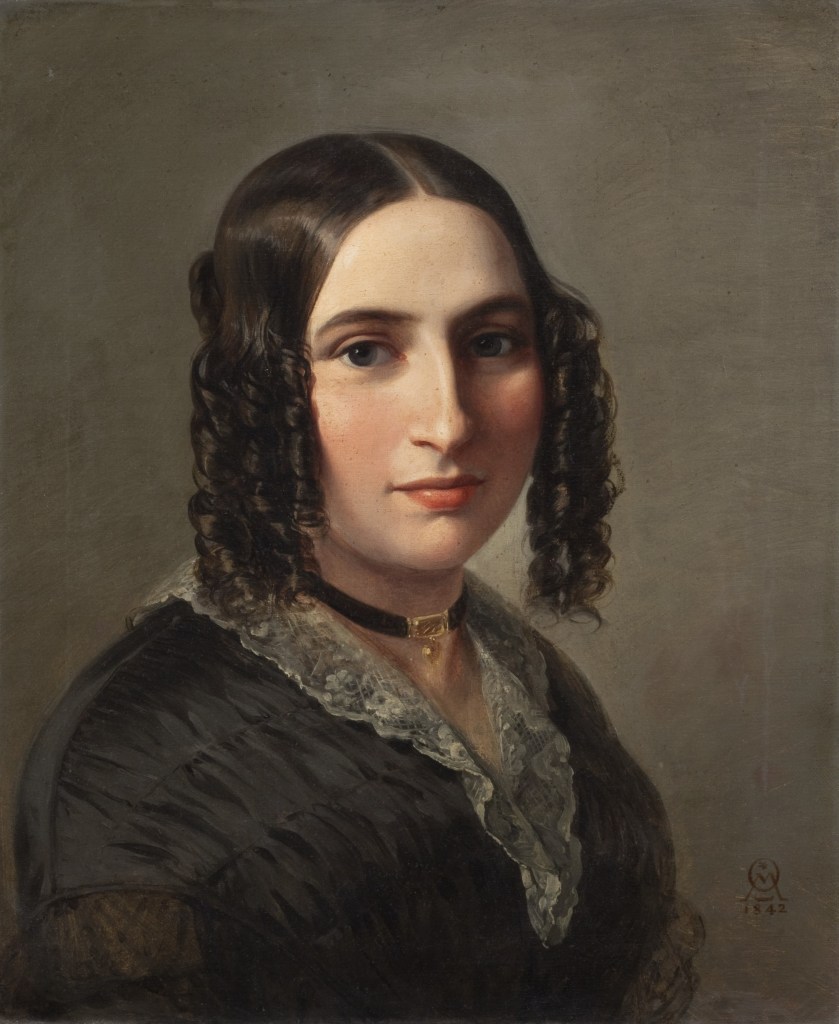
Like Maria Anna Mozart, Fanny was a child prodigy, a genius able to both perform and compose beautiful music. And like Maria, Fanny’s family could only envision such a career for their son, Felix Mendelssohn.
While Felix apparently supported this decision, he had no problem publishing some of Fanny’s compositions under his name and reaping the benefits. In fact, he became famous for pioneering a new style of music called “Songs Without Words,” a form that some musicologists believe Fanny actually pioneered before him.
Cynane
Cynane (pronounced “Keenahnay”) was the half-sister of Alexander the Great and, quite literally, a warrior princess. Brought up in the Illyrian tradition, she learned martial arts, hunting, tracking, riding, and fighting—better than most men. By the time she was 20, she was already famous for these skills and had become a battlefield legend.
On his rise to power, Alexander killed Cynane’s husband and hoped to marry her off to one of his allies. Mysteriously, that fella died just before the marriage was set to take place. While some have speculated that Cynane may have poisoned him, there’s no evidence that she did. Regardless, Alexander apparently gave up on trying to marry her off, and Cynane remained unmarried for the rest of his life.
Following Alexander’s death, Cynane also tried to gain power for her daughter in Babylon. She was slain, mid-speech, by the opposing general while marching her army toward the city. Since Cynane was the daughter of Philip II and half-sister of Alexander the Great, the general’s own army was so enraged by her killing that they forced her final wishes for her daughter to be granted.
That daughter, Adea, took the name Eurydice when she married Philip III and became a legendary leader in her own right. All thanks to a mother’s sacrifice.
Jetsun Pema
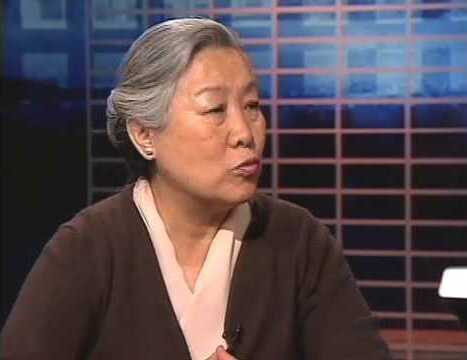
Photo credit: Wikimedia Commons
Jetsun Pema is the younger sister of the 14th (and current) Dalai Lama.
She began her formal education in India at 10 years old. A few years later, her family—including her brother, who had already been named the Dalai Lama—would flee her home country of Tibet following the Chinese takeover. They eventually reunited with Pema in India.
This moment would solidify in Jetsun a deep empathy for refugees, particularly refugee children. She became president of the Tibetan Children’s Villages in June 1964 and held that position until her retirement in August 2006. During her more than 42 years in the role, Jetsun dedicated her life to educating Tibetan children in exile. So much so that she is often referred to as “Ama,” which means “mother” in Tibetan, or “Ama la,” meaning “respected mother.”
There are plenty more stories to tell
Sadly, history hasn’t done nearly as good a job preserving the stories of women as it has those of their male counterparts. Their accomplishments were often minimized, forgotten, or simply never given the attention they deserved. Yet their lives were filled with talent, courage, ambition, and contributions that extended far beyond being someone’s sister.
Fortunately, the stories that were overlooked don’t have to stay that way. The more we uncover the women behind the names we know, the fuller and more fascinating our understanding of history becomes. And once you learn what these women accomplished, it’s hard not to wonder how many other remarkable stories are still waiting to be uncovered.







.jpg)
.jpg)
.jpg)

