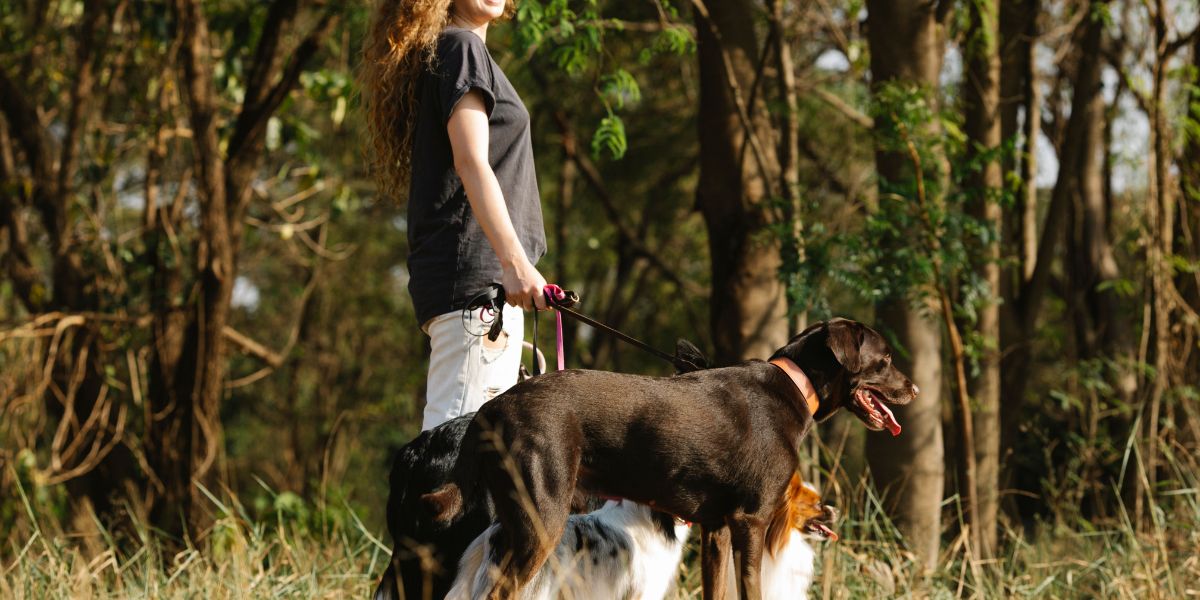
The bond between human and dog is a tail as old as time. Dogs were the first animal to be domesticated, likely during the Ice Age. Our relationship with them has only grown stronger over time. There’s nothing like coming home to snuggle your canine companion at the end of a long day, taking a stroll with your pup by your side, or heading out for a hunt with your hound.
New research suggests that despite cultural differences in how dogs are raised and what roles they play (such as a hunting dog or companion animal), the bond humans and their furry friends share are very similar, no matter where you look. Somewhat surprisingly to researchers, dogs and owners bond similarly around the world.
“Dogs live with humans almost everywhere, but not in the same way,” study author Juliane Bräuer said in a press release. “We wanted to know whether the close relationship between dogs and humans, as seen in Western societies, is universal and also exists in very different cultural contexts.”

Researchers put dogs and their owners to the test
Around three quarters of the world’s dogs don’t actually live as a Western family pet. Instead, they’re working or hunting dogs. Because of this, researchers hypothesized that due to cultural differences, the bond between man and man’s best friend would be vastly different. But they were very wrong.
Historically, research on a dog’s cognition and the bond between a dog and its owner occurs in so-called “WEIRD” societies (Western, Educated, Industrialized, Rich and Democratic). However, a new study published in Scientific Reports looked at dogs and their owners in five vastly different communities—Vanuatu, Mongolia, Madagascar, Peru, and Germany—aimed to expand what we know.

In each location, researchers put at least 30 dog-owner pairs through a series of six tests, designed to assess dog cognition and the communication between dogs and their owners. The dogs in the study were typically hunting dogs and some guard dogs. Tests dogs and their owners completed included:
- An obedience test.
- A test to see whether dogs could follow a human pointing gesture to find hidden food.
- An examination of if dogs could lead their owner to hidden food.
- Would dogs avoid forbidden food when being watched.
- Solving an unsolvable-problem task.
- Would dogs look to their owner when confronted with a scary, unfamiliar object.
Owners also completed a 31-question survey about their feelings toward their dog, their dog’s behavior, and more.
Bonds across continents were universal
Though researchers predicted there would be cultural differences, the results surprised them. Across the culturally diverse locations in various countries, dogs and their owners shared more similarities than expected.
“Despite enormous cultural diversity, we found more similarities than differences. The bond between humans and dogs appears to be a globally widespread relationship that has adapted to many different ways of life,” senior author Russell Gray said in a press release.
While there are differences in how the dogs live, for example the dogs in Madagascar typically sleep outside while German hunting dogs sleep inside, owners and their dogs behaved quite similarly.
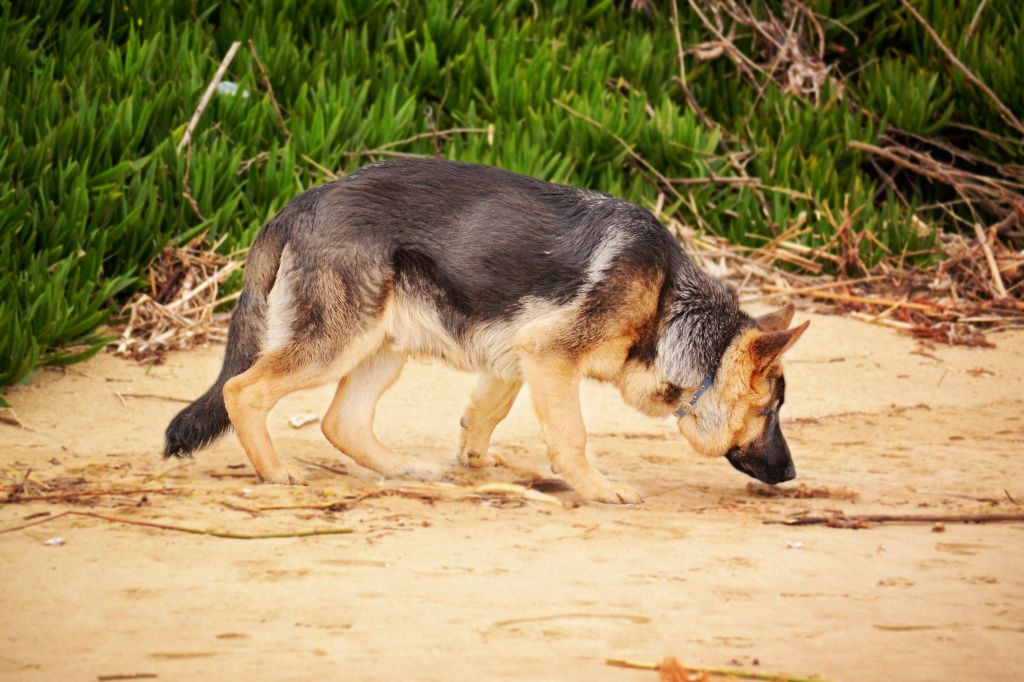
Survey results revealed that more than 90% of owners in the study across all locations felt they could rely on their dog and that it would protect them. All of the owners also reported enjoying having their dog around. And, all but one stated that their life is sometimes better because of their dog. This means that when dogs were used primarily for work rather than companionship, owners still highly value their relationships with their canine companions.
Across the behavioral tests, the dogs appeared to work with their owners in a similar manner. For example, all dogs frequently looked to their owners for guidance when put in an unfamiliar situation. And, they were able to follow human pointing gestures.
The main differences came down to training
Of course, researchers uncovered some differences, but they were minimal. Across countries, owners reported mixed confidence that their dogs could understand their emotions. Those in Germany were most likely to report an emotional bond and that their dogs sensed their sadness or fear than those in Peru.
Dogs in Germany were faster and more responsive when called, and ate less “forbidden food.” Researchers hypothesized that German dogs may already be better test takers. This may be due in part to a requirement that German hunting dogs have to pass an exam.
Despite differences in location, hunting practices, lifestyle, living conditions, and more, one thing is true: Dog really is man’s best friend.