Sorry to all of the people out there who might have their game ruined by the following story. But the truth is that if you have a beard, you should take the necessary precautions to ensure that the next person you kiss doesn’t wind up with a major case of beard burn.
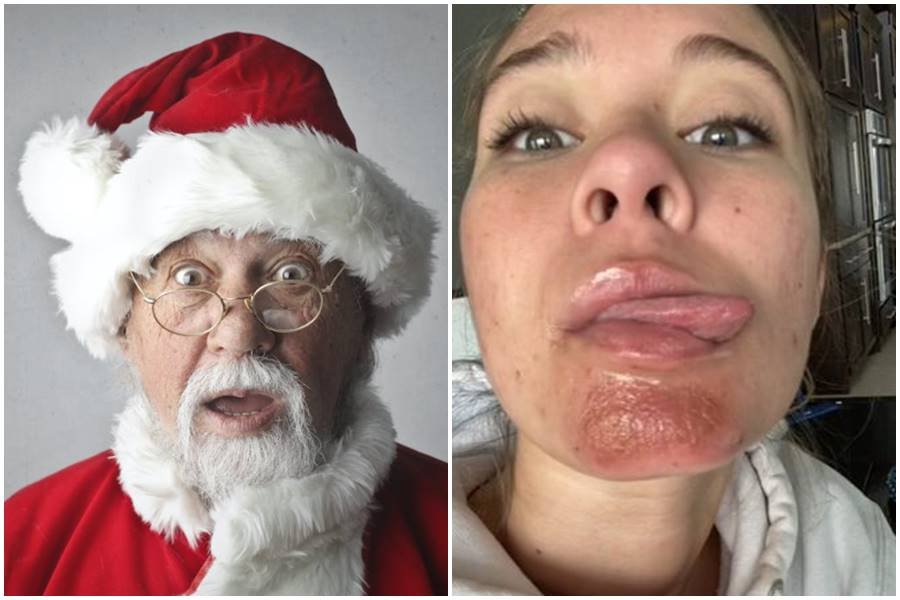
A disturbing video went viral on TikTok featuring a woman with red spots on her chin who claims to have “kissed a guy with facial hair.” The clip caught the attention of Dr. Muneeb Shah, known on TikTok as “The Derm Doctor.”
The Derm Doctor is incredibly popular on the platform, with over 18 million followers. His response to the red-faced woman racked up over 19 million views.
In the video, the Derm Doctor confirmed that making out with someone with a big beard can cause problems. “Clean your beards,” the doctor said before explaining that they can cause minor cuts in the kiss recipient’s face. Further, if the beard isn’t clean, bacteria can be transferred to the open wounds, resulting in impetigo.
Impetigo is a bacterial infection that can be cleared up with antibiotics.
The good news is that this infection of passion can be prevented with a bit of prevention. “On the receiving end, using a barrier cream or moisturizer before contact can help,” Dr. Kautilya Shaurya, MD, board-certified dermatologist at Schweiger Dermatology Group in NYC, tells Real Simple. Dr. Shaurya also suggests that those with beards keep them short, moisturized and clean so they don’t injure their partners.