
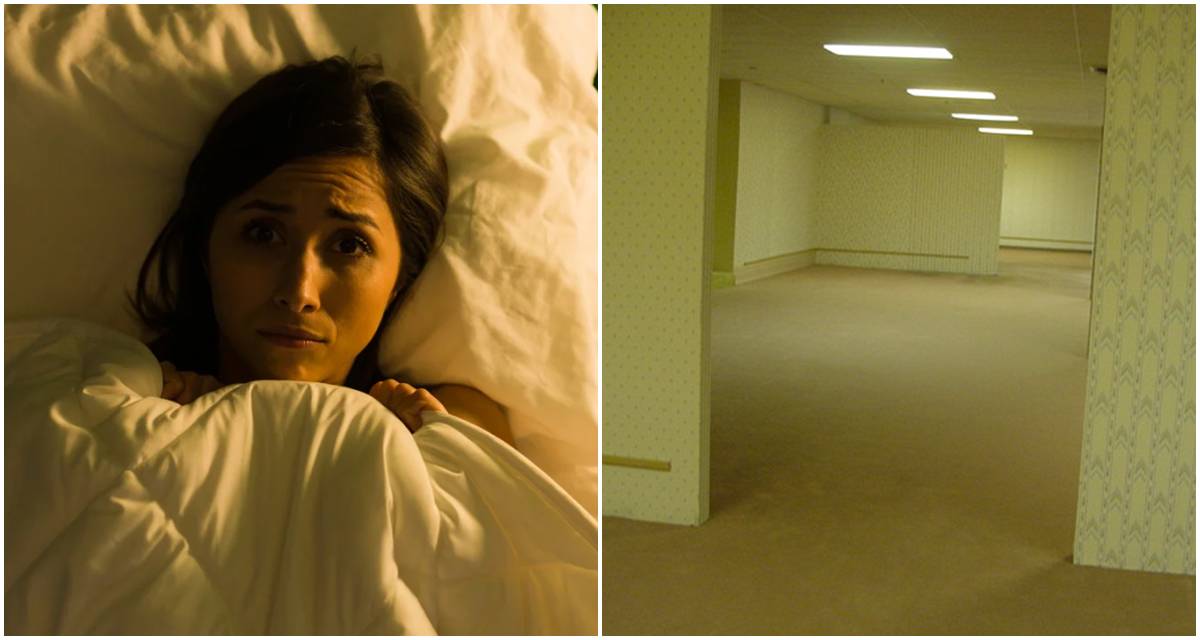
It’s probably happened to you a few times. You find yourself walking along an empty, fluorescent-lit corridor that feels a little off or wandering around a mostly defunct mall near closing time, the kind with water-stained ceiling tiles and hollowed-out shopping spaces. These places aren’t inherently scary, yet something in your brain is yelling at you to GET OUT!
These are liminal spaces, physical transition zones that can feel detached from reality. Whether it’s at an empty airport, office building, or convention center lobby, these desolate locations have the power to both draw you in and weird you out. And now, liminal spaces are getting the big-screen treatment with the release of the new A24 horror film Backrooms, a phenomenon born from a random 2019 Internet post and built into a wild mythology by a teenage filmmaker. But why do these barren, transitional environments evoke such profound unease in us, and why are we so desperate to experience them in real life and at the movies?
From message board post to box-office terror
Plenty of filmmakers like David Lynch and Stanley Kubrick have layered liminal horror into their movies, but the current obsession with these spaces didn’t start in Hollywood. The “Backrooms” began with a single, anonymous internet post. Under a prompt asking for “disquieting images that just feel off,” a 4Chan user reuploaded an image of a sickly yellow and empty office space that had floated around message boards for years. The caption described “the Backrooms” as an endless labyrinth of randomly segmented rooms, adorned with buzzing fluorescent lights and damp carpets. Internet sleuths eventually traced the original image back to a 2002 digital photo of a vacant furniture store in Wisconsin that was under renovation.
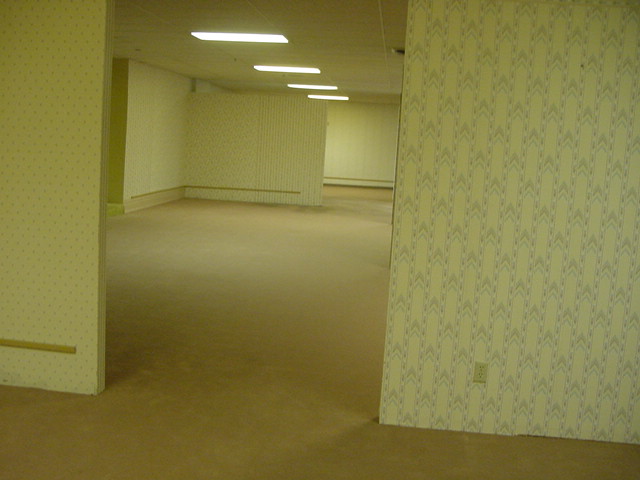
What started as an online urban legend, or “creepypasta,” truly exploded when teenager Kane Parsons began dramatizing the concept with a series of hyper-realistic YouTube shorts. His “found footage” style videos sparked imaginations and amassed over 200 million views, transforming a niche internet aesthetic into a mainstream cultural moment. Parsons is now the youngest director to helm a major motion picture at age 19, complete with Oscar-nominated actors like Chiwetel Ejiofor and Renate Reinsve in the lead roles. So, what is Backrooms tapping into that makes us want to see more?
‘Where U @?’ or the neuroscience of ambiguity and transition
While filmmakers have tapped into elements of this aesthetic for decades, psychologists and neuroscientists are weighing in on our fascination with liminal spaces. According to insights published in Psychology Today by environmental design researcher Meredith Banasiak, our brains are hardwired to notice and react to liminal spaces because our neurological framework for memory is structured around changes in space, time, and events.
Meanwhile, liminal areas like hallways and stairwells are designed spatially to get you from where you’re coming from to where you’re going; they’re purely transitional, yet our brains heavily rely on changes in spatial boundaries to organize information.
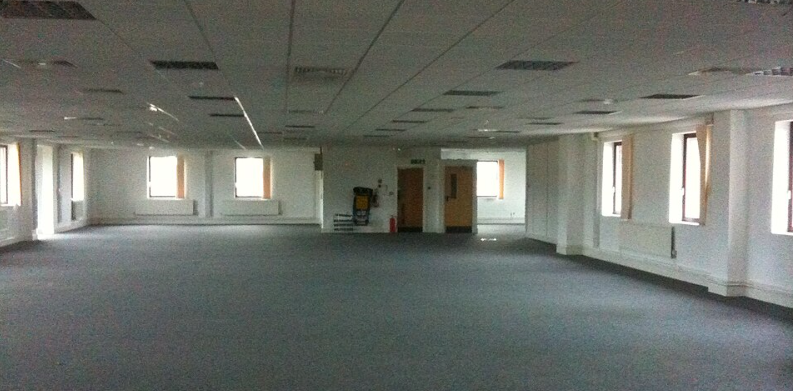
This is where studies on the “Doorway Effect” provide a deeper insight, as they show that we are significantly more likely to forget an item or lose our train of thought right after passing through a doorway. The threshold signals the brain to wipe its immediate context of where you were and update its software for the new environment you find yourself in. The experiences you have in your kitchen, for instance, are distinct from those you have in a bedroom, and it’s the in-between where things can start to feel weird.
Within a liminal space like those seen in the Backrooms, the transitional threshold feels infinitely stretched. They appear featureless and devoid of “context cues” that tell you where you are. In an environment where each corridor looks identical, our brain struggles to separate experiences into distinct memories. In your mind, everything begins to morph and bleed together, mimicking how our remembrances can blend when under stress. Without distinct landmarks to inform decision-making, the brain’s ability to scenario-plan and predict what’s ahead short-circuits, tricking us into a state of hypervigilance.
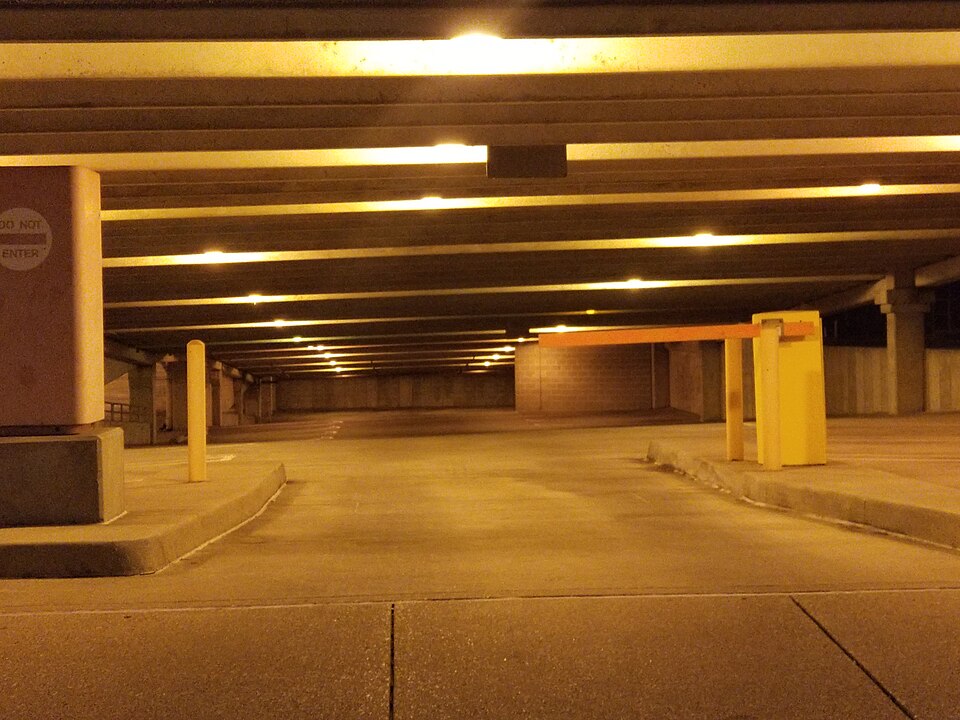
So, it begs the question: If being inside a liminal space can feel scary or wrong, why might you love the idea of being scared silly at a screening of Backrooms this weekend? It all comes down to understanding your environment. If you are surrounded by friends and fellow moviegoers inside a darkened cineplex, it adds a layer of safety because, even though the movie might be frightening, you know you’re going to come out on the other side.









.jpg)

