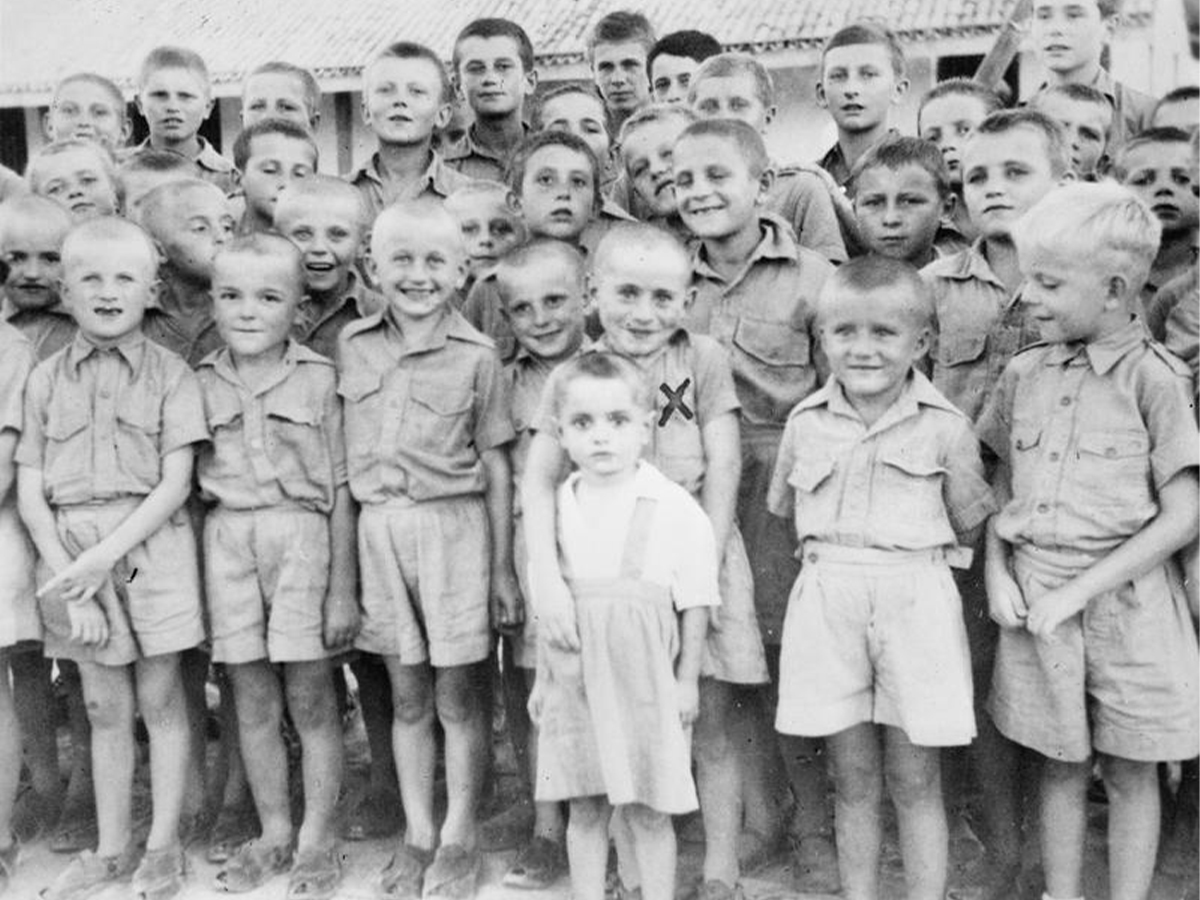
When hundreds of Polish children arrived in India’s Nawanagar state during World War II, they had already been driven from their homes, survived Soviet labor camps, and lived through years of uncertainty. The war had stripped away school, friends, and the everyday routines most children naturally build their lives around.
According to the United States Holocaust Memorial Museum, the children’s journey had begun years earlier. Following the Soviet invasion of eastern Poland in 1939, thousands of Polish families were deported to labor camps scattered across Siberia and Central Asia. After the 1941 Sikorski-Mayski Agreement allowed many Polish civilians to leave the Soviet Union, some eventually made the long journey south to India.
Creating a space to just be a kid again
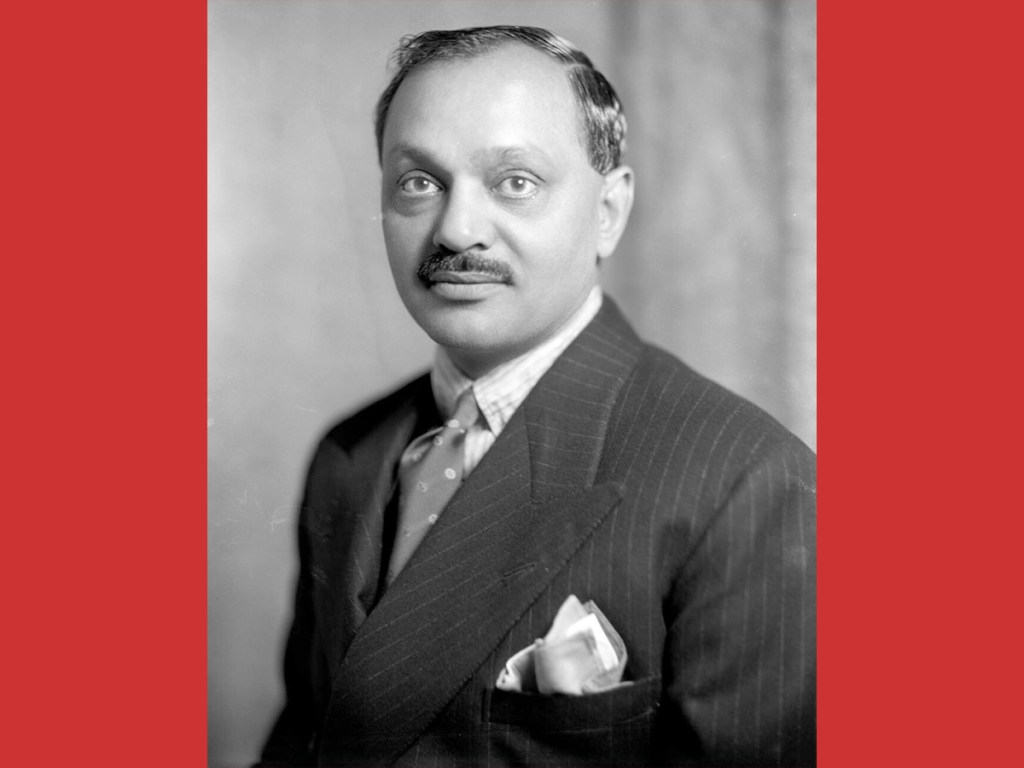
A recent Smithsonian Magazine story recounts how Maharaja Digvijaysinhji Ranjitsinhji Jadeja, the ruler of one of India’s princely states, Nawanagar, welcomed those children and created far more than a temporary refuge to wait out the war. Instead, he built a community where everyday life could begin again.
There in Balachadi, over 1,000 children were given a safe place to stay from 1942 to 1946. A special camp was constructed near the maharaja’s summer palace on the Kathiawar Peninsula. The settlement included homes, classrooms, a Catholic church, kitchens, and places to play.
The children returned to the classroom where Polish teachers continued lessons in their native language. Religious services and holidays like Christmas were observed much as they had before the war. Alongside food and shelter, the camp preserved familiar routines that helped restore a sense of normal life.
Instead of wondering where they would sleep or where their next meal would come from, they worried about homework or raced across playing fields with new friends.
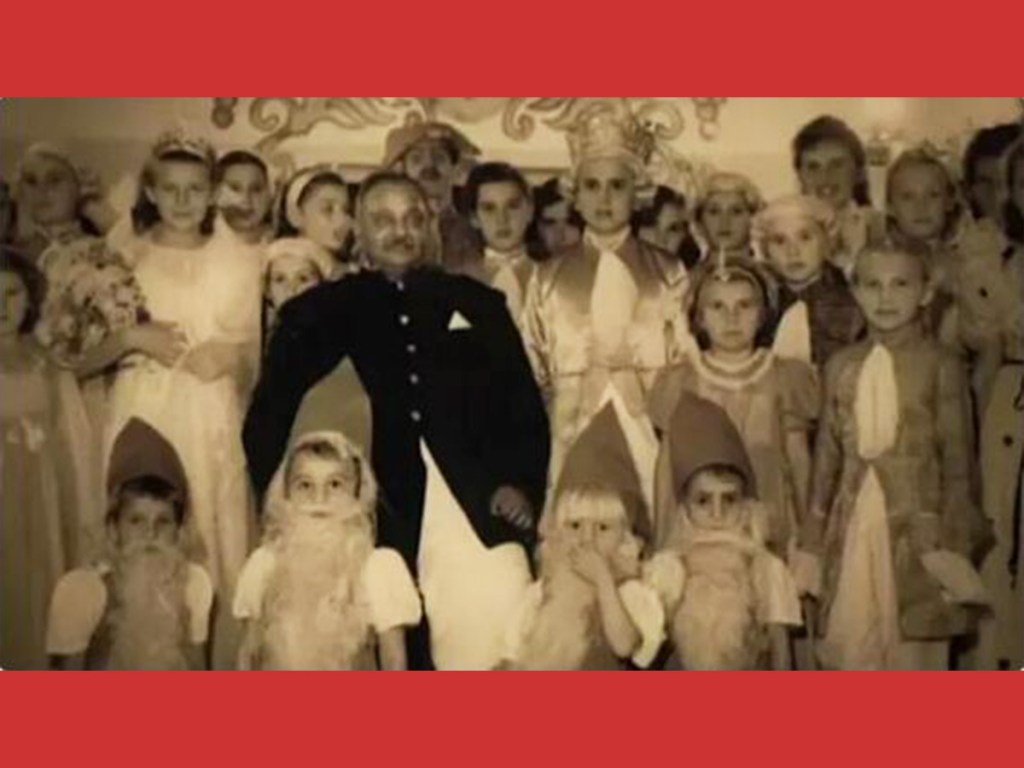
He treated the children as his own children
Wieslaw Stypula was only 11 years old when he joined the Balachadi community. In the documentary A Little Poland in India, Stypula recounted, “In this very grim scenario, I was adopted by people of a country I did not even know. It was here that I found happiness.”
Digvijaysinhji called the children his own children. He would welcome new groups of Polish children, saying, “Do not consider yourself orphans any more. You are now Nawanagaris, and I am Bapu, father of all the people of Nawanagar, so also yours.”
He was also dedicated to honoring their Polish identity. Anu Radha, the filmmaker behind the documentary, explained, “He insisted that every day, the Polish flag should be hoisted in the camp, and all children sing the Polish national anthem.”
Remarkable instincts without the modern humanitarian handbook
Today, global relief organizations like UNICEF emphasize that children displaced by war need more than food and shelter. Education, opportunities to play, and cultural identity are all important parts of helping children recover from traumatic experiences.
These ideas are reflected in programs like UNICEF’s Child-Friendly Spaces and, in a recent guidance from Save the Children, which stresses that children recovering from war need safe places where they can learn, make friends, and settle back into familiar routines.
For the children who arrived in Balachadi more than 80 years ago, the community the maharaja fostered became more than a refuge. It gave them the chance to be children again.