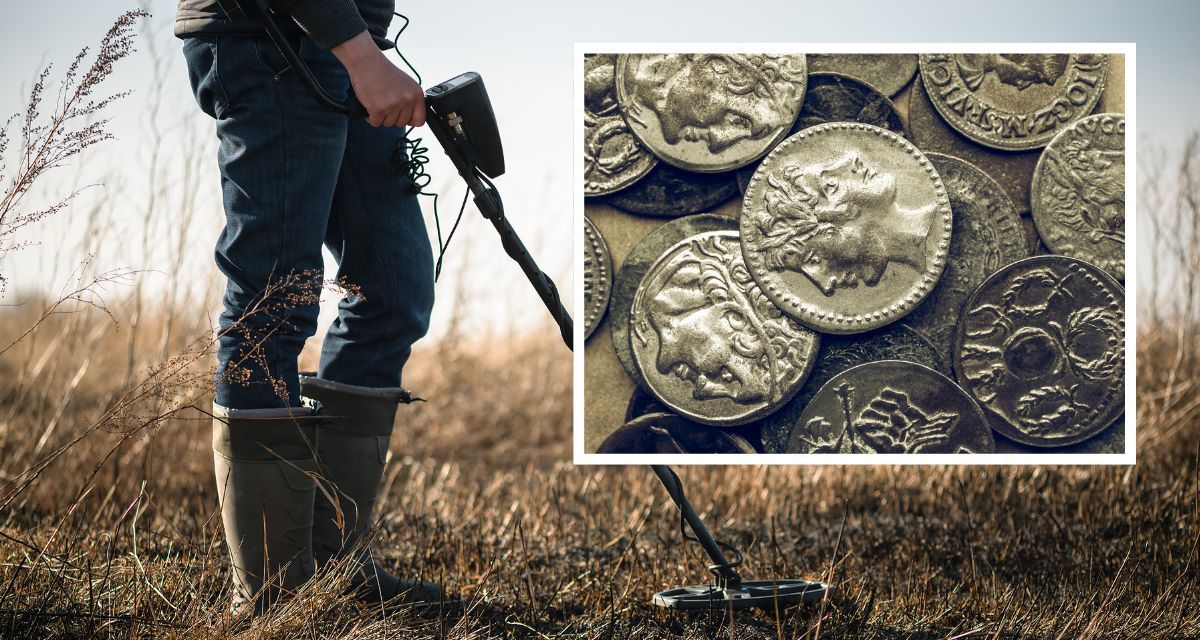
In November 1992, Eric Lawes headed into a Suffolk field on a mission. His farmer friend, Peter Whatling, had lost a hammer and asked Lawes to help find it. Lawes happened to have a metal detector, making him the obvious person to call.
Sure enough, the detector soon picked up a strong signal beneath the soil. After a bit of digging, it soon became clear that Lawes had found something considerably more impressive than a lost hammer.
Not your average metal detector find
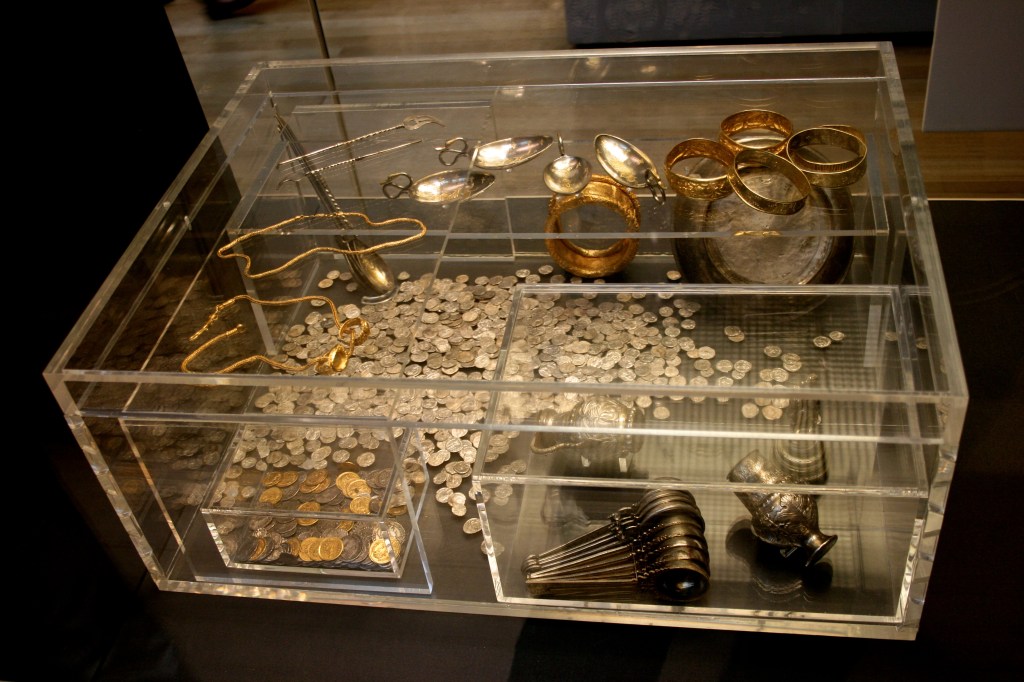
He had stumbled onto what became known as the Hoxne Hoard, the largest hoard of late Roman gold and silver ever found in Britain. The final excavation recovered 15,234 Roman coins, plus dozens of pieces of gold jewelry, and a large collection of silver spoons (some bearing inscribed names) and other tableware. One famous object from this dig was a silver pepper pot shaped like a woman’s bust, complete with an elaborate hairstyle. Not a bad find for simply doing a friend a solid.
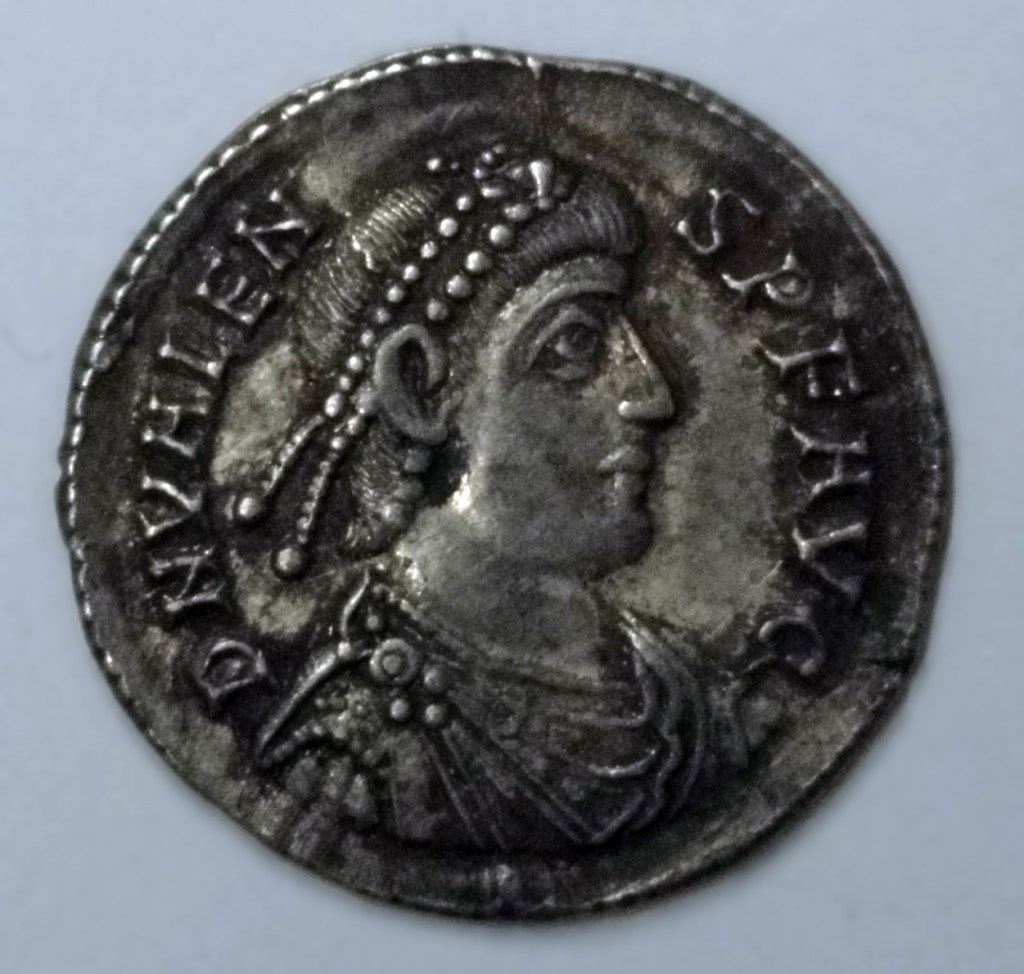
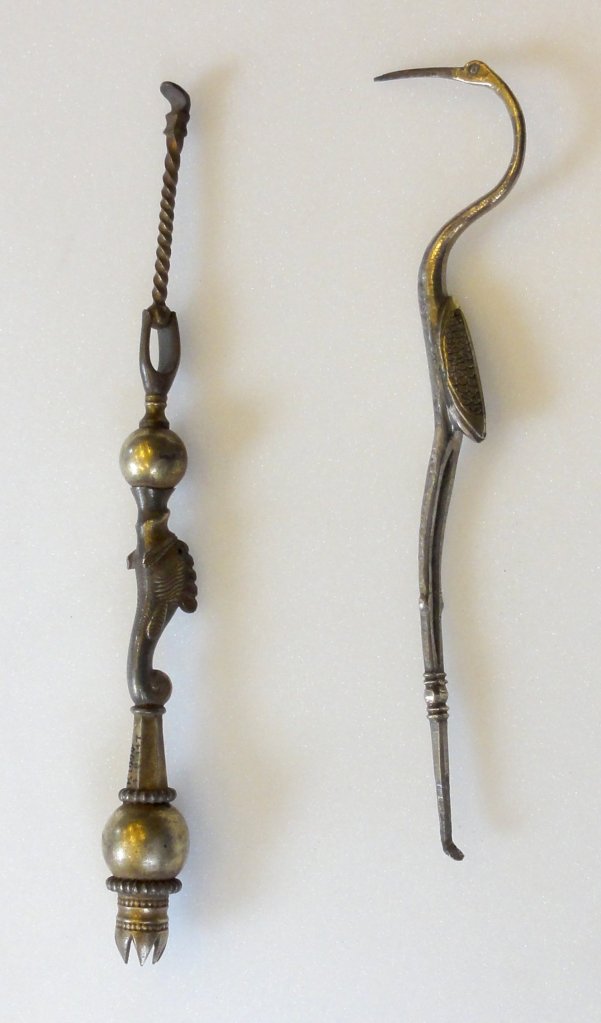
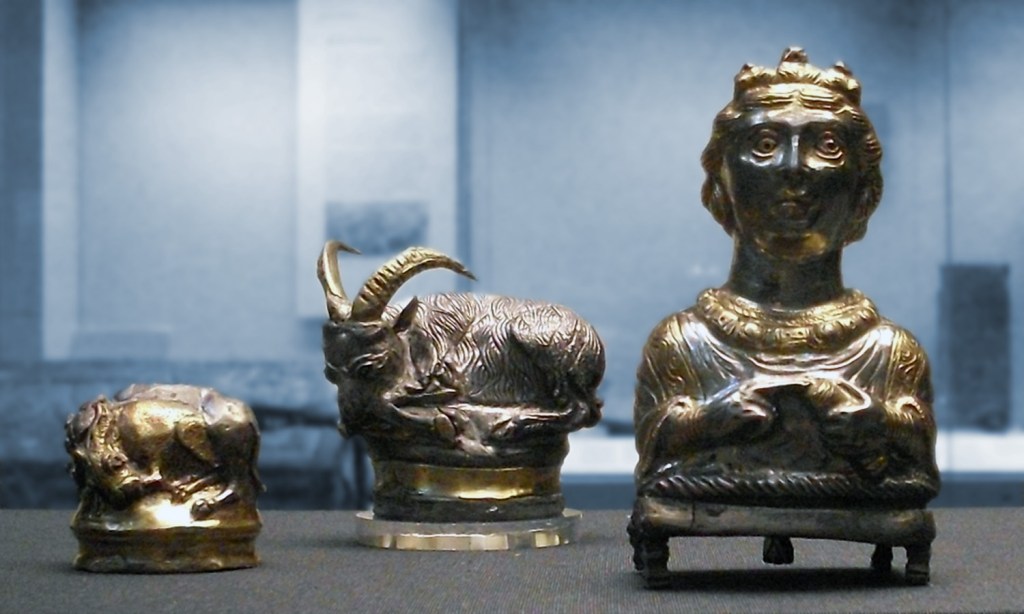
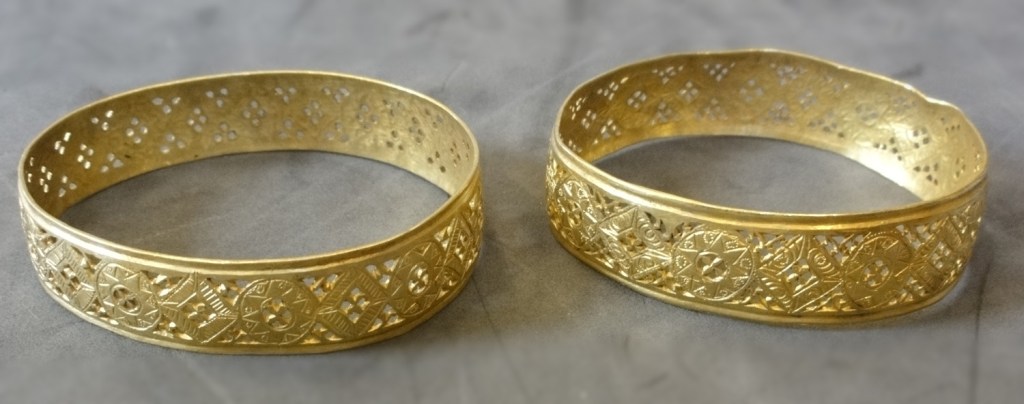
Lawes stopped digging and reported the discovery as soon as he realized the potential significance. That decision turned out to be a great call. Archaeologists could then remove a substantial portion of the buried material together. Preserving the hoard’s original arrangement gave researchers a much clearer picture of how and why someone had buried the treasure centuries ago.
What’s the story behind this hidden treasure?
All in all, the collection provided researchers with an unusual glimpse into the life of a wealthy family in late Roman Britain during a period of major political upheaval, as Roman authority in Britain neared its end.
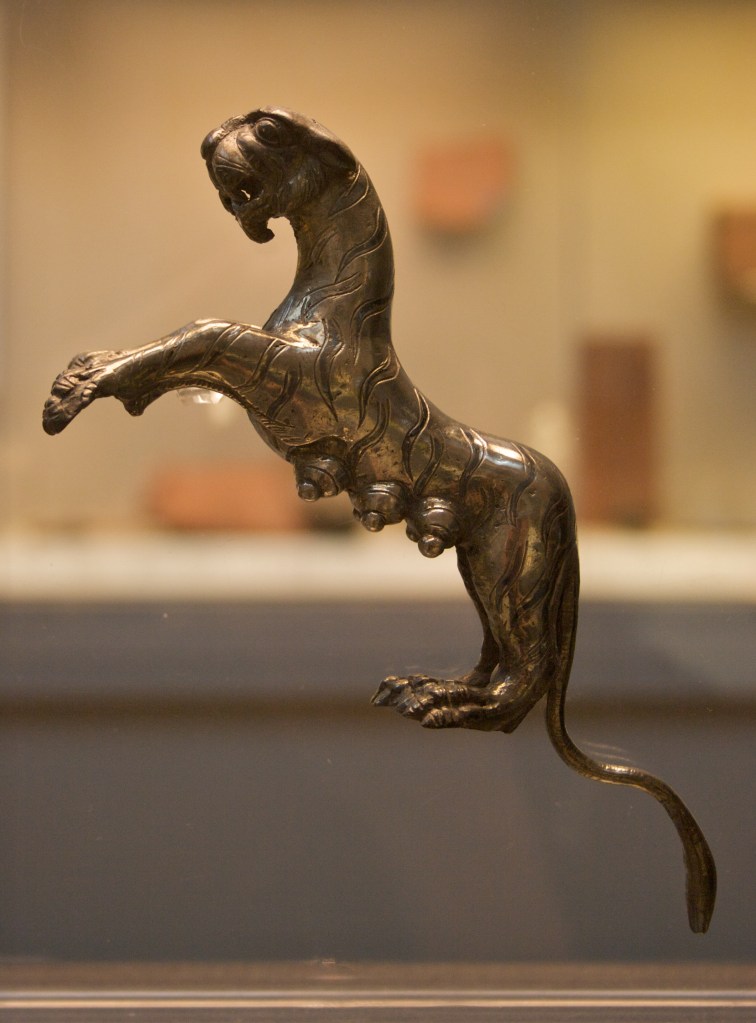
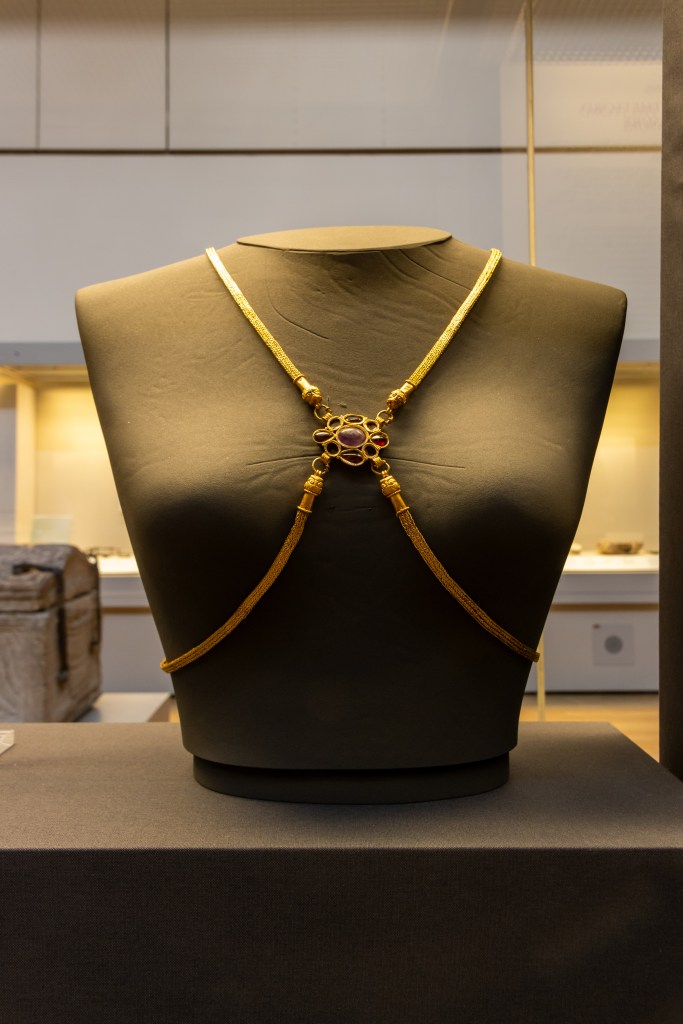
Without the protections of the Roman Empire, Romano-British citizens buried their valuable belongings to protect them from marauding Saxons. Some archaeologists theorize that the Hoxne Hoard could be an example of that. But it is one of several theories. Another is that the coins were clipped and used to make imitation Roman coins, decades after Rome lost influence and its currency was in short supply. Another speculation attributes it to sentimental value, since the items were seemingly buried with care.
A wholesome end to an amazing historical discovery
While the exact circumstances that led to the treasure being buried remain uncertain, it nevertheless provided a groundbreaking archaeological record of a complicated period in British history. Lawes was rewarded £1.75 million from the British government, which he split with Whatling.
At this point, you might be thinking…but what about the hammer?
Yes, Lawes eventually found that too. It was displayed alongside the Hoxne Hoard at the British Museum. It was, after all, the humble catalyst for this huge breakthrough.
Eric Lawes died in 2015, but according to his obituary, he “continued his passion for metal-detecting to the end.”