
Looking for a job has never been easy, but it used to be simpler. In 2026, job hunting is more competitive, frustrating, and exhausting than perhaps ever before.
Recent college grads and people transitioning in their careers have been sounding off on social media about how different the career landscape is now versus just a few years ago, and what it takes to finally get hired.
AI screenings, and yikes, even interviews
More candidates than ever are being filtered out of consideration almost immediately. Not by recruiters, but by robots.
ATS (Applicant Tracking Systems) have become more advanced and more prominent. They can eliminate resumes based on keywords, experience or lack thereof, and plenty of other “red flags” set by employers. An estimated 99% of Fortune 500 companies use an ATS to screen applicants before they ever have human contact.
Then there are interviews conducted not by humans, but by virtual chatbots.
“I went through one, it was [extremely bizarre],” a Reddit user wrote. “It cuts you off at pauses to move on to its next question.”
To be fair, this overuse of technology goes both ways. With modern tools and AI, job seekers can churn out custom resumes and apply to hundreds of jobs with almost no effort. That creates huge backlogs for recruiters and more competition than ever for open positions.
“There are a lot more candidates, fewer jobs and it’s easier to apply than it ever has been so recruiters are overwhelmed and looking for the easiest ways to weed people out, whether that’s over relying on tools, only looking at the first few applicants or only taking people referred in,” a Reddit user noted.
Ghost jobs galore
“This is the worst job market I have experienced,” one Redditor lamented. “Most of the jobs don’t even really seem real.”
Ghost jobs are listings that get posted but never filled, and they’re everywhere these days. The same roles are posted and reposted again and again, and job seekers are noticing. A job seeker recently wrote on Reddit:
“I’ve noticed recruiters on LinkedIn posting the same job over and over, collecting 100+ applications and then remaking the same job. Word for word, exactly the same. I’ve seen the same 6 jobs ads at least 100 times in the past few months. I report these to LinkedIn, but they find ‘nothing reportable’ with this.”
Companies may post jobs they have no intention of filling in order to:
- Give the illusion of growth
- Collect data on the candidate pool and job market
- Develop a passive talent pipeline
Many ghost listings also pop up when companies plan to hire an internal candidate. Laws often require the job to be posted publicly for fairness, but that doesn’t mean those external candidates will be seriously considered.
It can be extremely frustrating for anyone who’s seriously looking.
Offshoring and remote work
You’re no longer just competing with job seekers from your area. With the rise of remote work, many companies are accepting candidates nationwide (or, in some cases, worldwide), opening up an incredibly deep and competitive candidate pool.
Worse, offshoring is sending many positions overseas, where workers are often more affordable—and it’s on the rise.
“Worked at a Fortune 500 company. Started there in 2019 and it was great, all US employees about 100 people in IT,” a Redditor shared. About six months ago, they wrote that their company had outsourced the majority of its work internationally and was planning to lay off 80% of its staff.
“I worked with people who were employed with this company for 25-30 years, many people retiring here as they paid very well,” the Redditor added. “That opportunity will no longer exist for the millennial generation and onward due to rampant offshoring and cost saving tactics.”
200+ applications is the norm
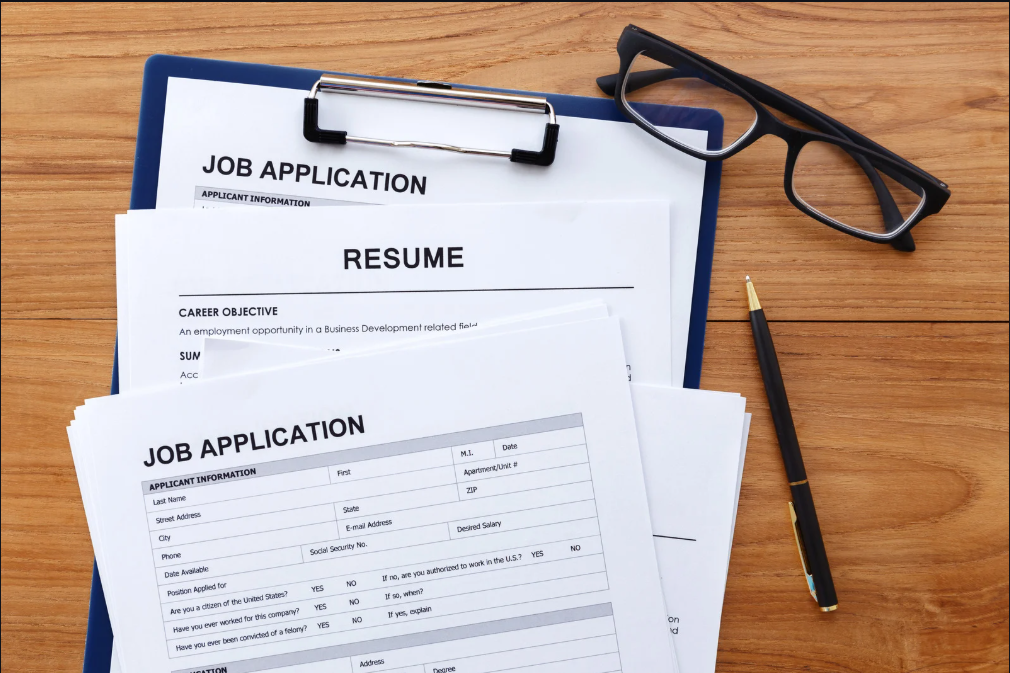
Depending on who you ask, it might take 50, 100, or even more than 750 job applications to get an interview or land a job. Regardless of the exact figure, that number has risen dramatically in recent years.
When you need to write a custom cover letter and tweak your resume for each application, it can be exhausting for job seekers.
One Reddit user recently shared a success story about finally landing a job as a Kroger grocery clerk—after submitting more than 500 applications.
“500 apps for a grocery clerk is insane,” read the top comment.
Rounds and rounds (and rounds and rounds) of interviews
One Redditor shared that they recently had to fill out a 172-question personality test with “weirdly invasive questions,” including ones about how they feel about their appearance. After that, they had to record a video introducing themselves.
All just for a chance at getting a real interview.
Experts agree that more companies now require far more extensive interview processes than in years past. These rounds can include homework, tests, personality assessments, intelligence quizzes, and several traditional interviews.
You need experience to get experience
This has been a conundrum for years: the entry-level job that requires five years of experience. But recent job seekers say it’s only gotten worse.
Entry-level jobs have become really hard to land—if they haven’t been replaced altogether by AI.
So is it all doom and gloom out there?
The process has become harder, more complex, and more competitive. That’s for sure. But people who have made it through successfully say there are a few strategies that can help.
What’s new that works, and what’s old that still works
LinkedIn is the place to be
Though not without its own issues, many people say LinkedIn is a good place to look for jobs because the listings are usually tied to a real person, like a recruiter. Putting a face to a job can go a long way. Job seekers say it’s more reliable than many aggregators, like Indeed and ZipRecruiter.
If you can apply via the company website, even better. In fact, much better. Just avoid Easy Apply at all costs.
Networking and referrals still work
This is harder than ever, but also more important than ever. Some estimates suggest that getting a referral from an employee makes you about seven times more likely to be hired than a job board candidate. It may not be the advice anyone wants to hear, but keeping your network “warm” is a must in this job market.
“I’ve had 2 interviews recently and the only reason is because I’ve reached out to the far limits of my network to find anything … it’s really the only way,” one Redditor suggested.
Just get employed
Traditional career paths are all but gone, and they’re not as stable as they once were. There’s no guarantee you’ll land an entry-level marketing job and stay in the industry for decades, working your way up. The most important thing is to take a job that pays your bills and worry about finding something better later.
In a Reddit thread, a user debated whether they made the right decision in turning down a decent but not great job offer. In the past, they might have been advised to hold out for a better long-term position, but modern job seekers overwhelmingly agreed that being employed was the best outcome. “This is called a transition job. Take it, and use your free time to find a different job. Get paid in the meantime,” one person wrote.
Job-hopping has traditionally been frowned upon, but younger people are finding, often the hard way, that the only way to get ahead—and earn a raise—is to leave for greener pastures. The BBC calls the stigma against job-hoppers “outdated.”
Above all, hang in there
The statistics aren’t on your side, and it may take over a year and hundreds of applications to find the right fit. It’s not just you. Finding community (through social media groups, friends, discussion boards, and more) can go a long way in helping you stay motivated.