Malala Yousafzai most certainly has a lot of light. At the young age of 11, she began advocating for education for girls after the Taliban took over her district of Swat in Pakistan. About three years later, she, (alongside two other girls) was shot in the head on a bus for her passionate, outspoken views.
She survived and went on to address the United Nations about the importance of education. From her non-profit’s website, “The U.N. recognized July 12 as Malala Day, in honour of her courageous advocacy and to highlight the global struggle for education. With her father, her ally and inspiration, she established Malala Fund, an organisation dedicated to giving every girl the opportunity to learn and choose her own future.”
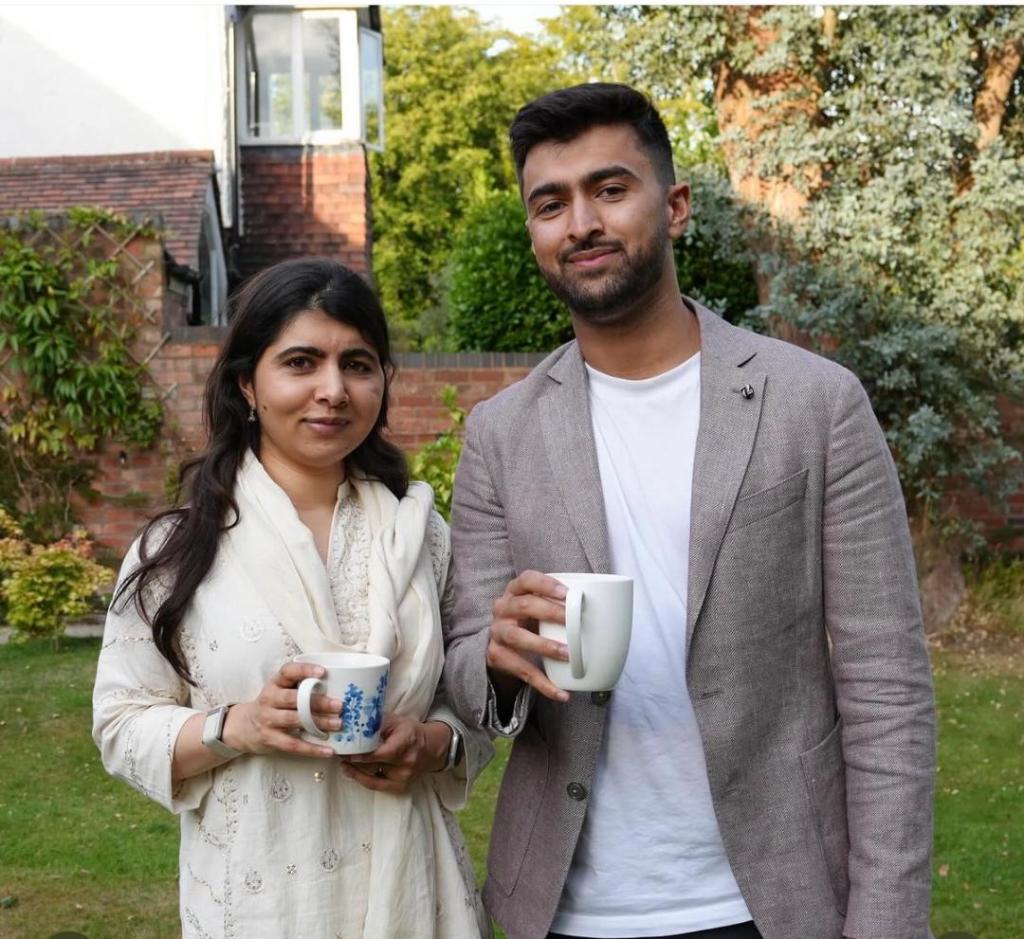
Recently, one of her younger brothers, Khushal Yousafzai, was speaking at the Oxford Scholars Program when he was asked if he ever felt “overshadowed” by his sister’s accomplishments. His answer was vulnerable, heartfelt, and lovely. “My sister almost died. Forget her getting the Nobel Prize. Forget her getting the limelight. I would give up my life for you to have a life. Death puts things into perspective like nothing else does.”
He pauses and asks, “Why would her success take anything away from me? I’m not in my sister’s shadow. I’m in my sister’s light. And Rumi has this beautiful quote: ‘A candle doesn’t lose its light when it lights up another candle.’ It actually makes the world a brighter place. It lights up the whole room.”
He continues with the message of supporting the people you love. “So guys, uplift each other. If you see your friend, uplift them. Because guess what? We all are gonna die someday. And your friends, I’m sure they mean a lot to you. And at times, there is that feeling of jealousy. You don’t want to be going to their funeral and telling their parents how amazing they were. Because guess what? It’s too late. So tell them while they’re still alive. You don’t want to live with that, so uplift people while they’re still here.”
Khushal speaks frequently to students about his journey. He is also a fierce advocate for education and finding the fuel to live life to its fullest. From the bio he shared with Upworthy: “Through his educational platform, Yousafzai Academy, he mentors students about personal and academic growth, learning from setbacks, and leadership.”
Many in the Instagram comments are beautifully supportive and touched by his words. “So beautiful to see his immense love for his sister shared so honestly, vulnerably, and without any hint of shame or resentment. And the Rumi quote is just so perfect. ❤”
Another notes that his wisdom isn’t surprising, considering that his whole family is involved in activism. “This family has got all the right things going on! What a gift to the world.”
This person was moved by his words, especially by the idea of uplifting people while there’s still time. “Wisdom. Beautiful. Fabulous. What a family! Uplift your friends. Uplift people while they are still here. Yes!”
And this commenter deduces from his clip that the trauma their family has been through has created a thoughtful empath. “You have a high level of empathy 🙏🏽💕. Only people who have come close to death know the depth of your words and the bond you share with your sister.”
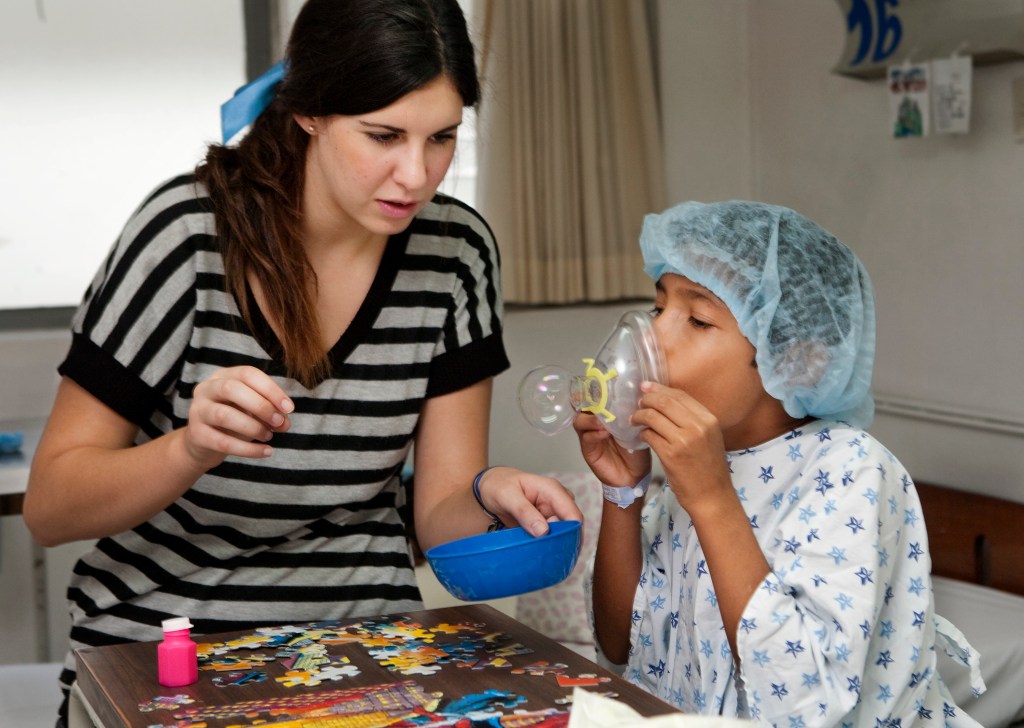
An Operation Smile volunteer reverses an oxygen mask so a child with a cleft condition can blow a bubble for the first time in Guadalajara, Mexico. (Operation Smile Photos)
For thousands of children born with cleft conditions, Operation Smile provides simple, playful tools—like bubbles—to strengthen the skills they need to speak and thrive.
While a bottle of bubbles might seem out of place in a hospital setting, you might be surprised to learn that, for thousands of children around the world born with cleft lip and palate, they can be a helpful tool in comprehensive cleft care. Lilia, who was born with cleft lip and palate in 2020, is one of the many patients who received this care.
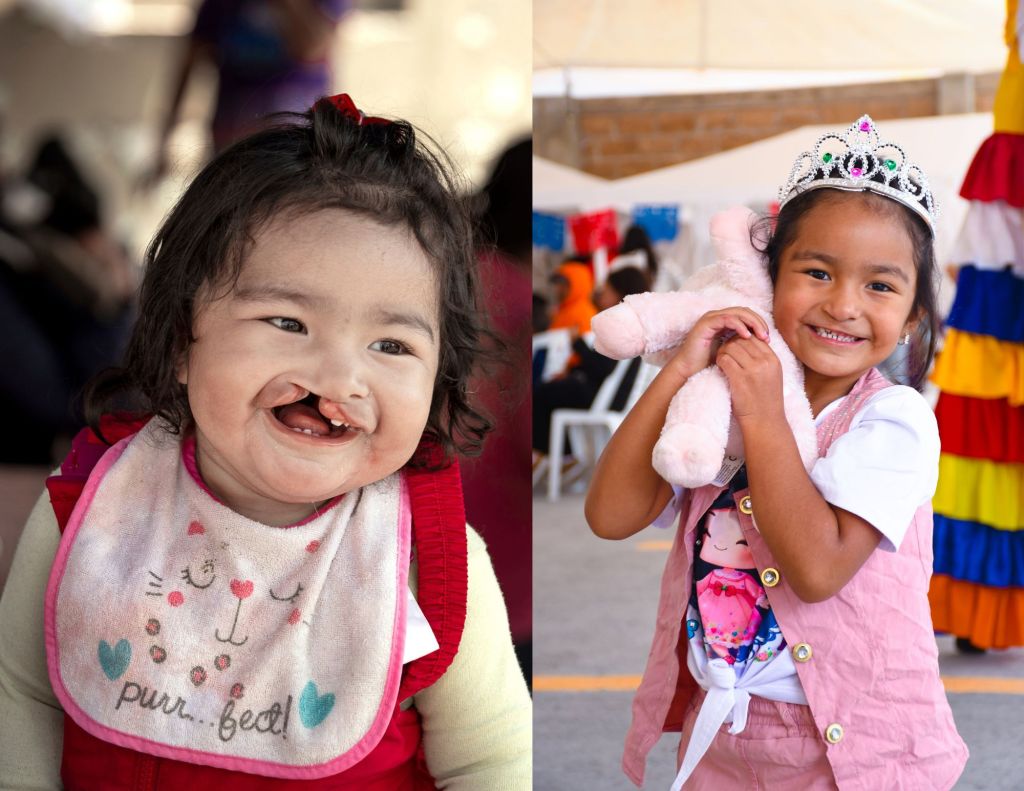
As a toddler, Lilia underwent two surgeries to treat cleft lip and palate with Operation Smile’s surgical program in Puebla, Mexico. Because of Operation Smile’s comprehensive care, it wasn’t long before her personality transformed: Lilia went from a quiet and withdrawn toddler to an exuberant, curious explorer, babbling, expressing herself with a variety of sounds, and engaging with others like any child her age.
Lilia is now a healthy five-year-old, with the same cheerful attitude and boundless energy. Her progress is the result of care at every level, from surgery to speech therapy to ongoing support at home—but it’s also evidence that small, sustained interventions throughout it all can make a meaningful difference.
Lilia at age 1, before surgery, and at age 5, 4 years post-surgery
Cleft Conditions: A Global Problem
Since 1982, Operation Smile has provided cleft lip and cleft palate surgeries to more than 500,000 patients worldwide with the help of generous volunteers and donors. Cleft conditions are congenital conditions, meaning they are present at birth. With cleft lip and palate, the lip or the roof of the mouth do not form fully during fetal development. Cleft conditions put children at risk for malnutrition and poor weight gain, since their facial structure can make feeding challenging. But cleft conditions can have an enormous social impact as well: Common difficulties with speech can leave kids socially isolated and unable to meet the same developmental milestones as their peers.
Surgery is a vital step in treating cleft conditions, but it’s also just one part of a much larger solution. Organizations like Operation Smile emphasize the importance of multi-disciplinary teams that provide comprehensive, long-term care to patients across many years. This approach, which includes oral care, speech therapy, nutritional support, and psychosocial care, not only aids in physical recovery from surgery but also helps children develop the skills and confidence to eat easily, speak clearly, and engage in everyday life. This ensures that each patient receives the full range of support they need to thrive.
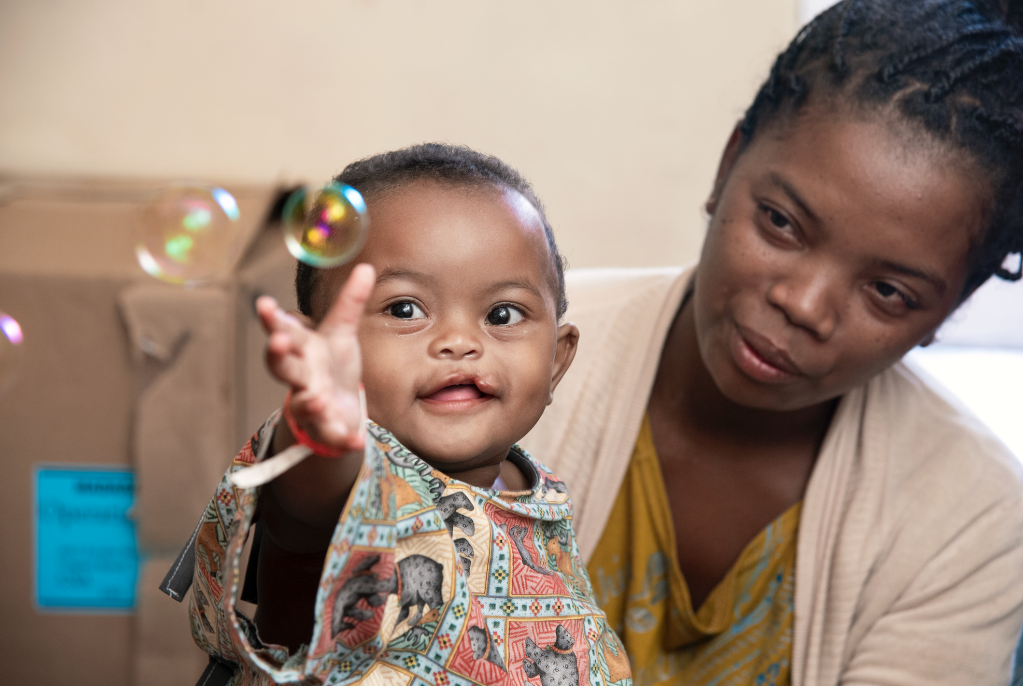
Marie, 11 months, with her mother at Operation Smile Madagascar before her cleft surgery (Operation Smile Photos)
A Playful (and Powerful) Solution
Throughout a patient’s care, simple tools like bubbles can play a meaningful role from start to finish.
Immediately before surgery, children are often in a new and unfamiliar environment far from home, some of them experiencing a hospital setting for the first time. When care providers or loved ones blow bubbles, it’s a simple yet effective technique: Not only are the children soothed and distracted, the bubbles also help create a sense of joy and playfulness that eases their anxiety.
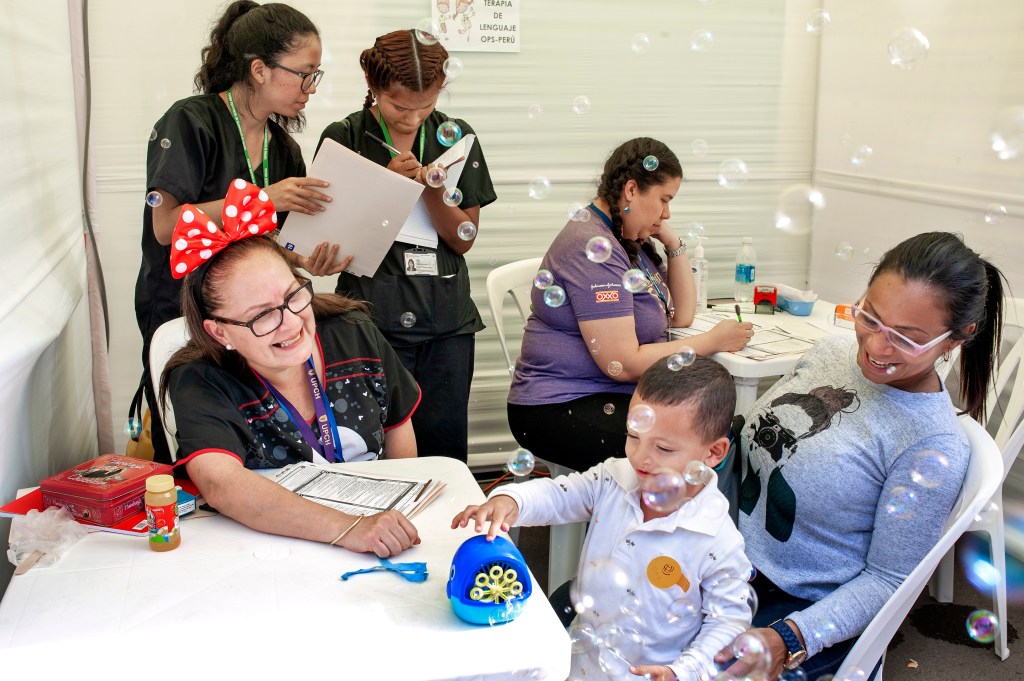
Milagros Rojas, a volunteer speech therapist in Peru, using bubbles in a screening with a patient. (Operation Smile Photos)
In speech therapy, bubbles can take on an even more important role. Blowing bubbles requires controlled airflow, as well as the ability to form a rounded “O” shape with the lips, which are skills that children with cleft conditions may struggle to develop. Practicing these skills with bubbles allows children to gently strengthen their facial muscles, improve breath control, and support the motor skills needed for speech development. Beyond that, blowing bubbles can help kids connect with their parents or providers in a way that’s playful, comforting, and accessible even for very young patients.
Finally, bubbles often follow patients with cleft conditions home in the “smile bags” that each patient receives when the surgical procedure is finished. Smile bags, which help continue speech therapy outside of the hospital setting, can contain language enrichment booklets, a mirror, oxygen tubing, and bubbles. While regular practice with motor skills can help with physical recovery, small acts of play help as well, giving kids space to simply enjoy themselves and join in on what peers are able to do.
Bubbles at Home and Beyond
Today, because of Operation Smile’s dedication to comprehensive cleft care, Lilia is now able to make friends and speak clearly, all things that could have been difficult or impossible before. Instead of a childhood defined by limitation, Lilia—and others around the world—can look forward to a childhood filled with joy, learning, discovery, friends, and new possibilities.
CTA: Lilia’s life was changed for the better with the care she received through Operation Smile. Find out how you can make an impact in other children’s lives by visiting operationsmile.org today.
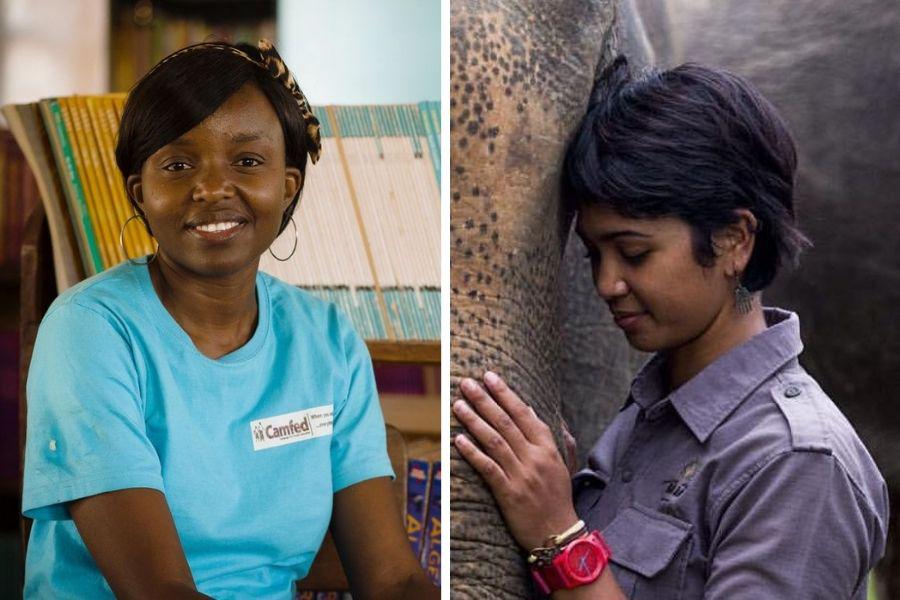
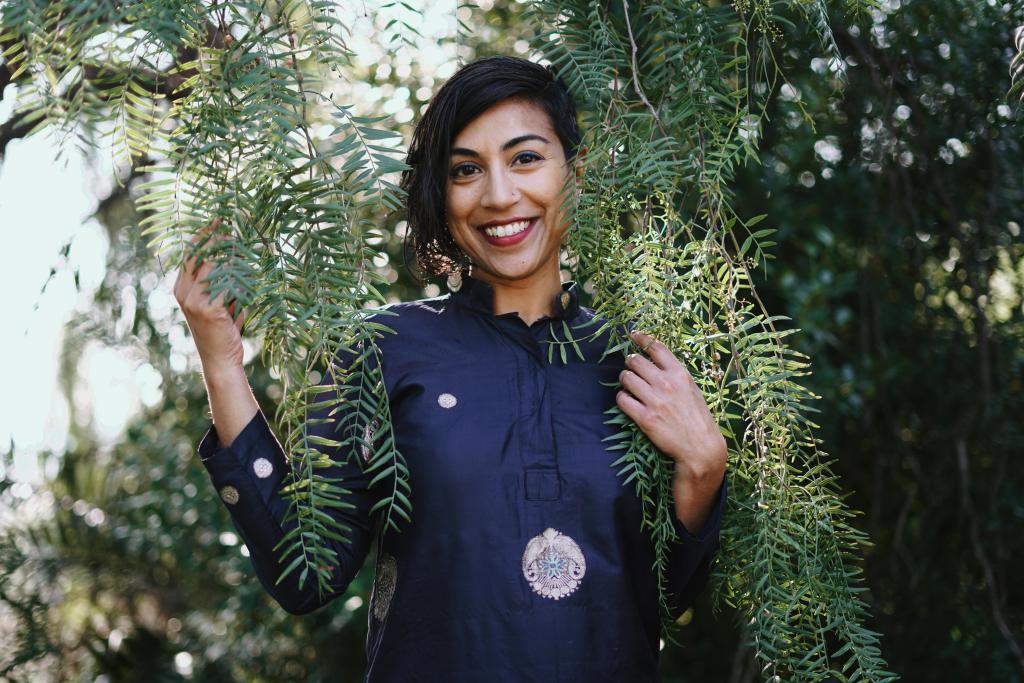
Photo credit: Courtesy of Alice Saisha and Farwisa Farhan – Tory Burch and Upworthy have partnered to honor incredible women making an impact this year.
“There are two powers in the world; one is the sword and the other is the pen. There is a third power stronger than both, that of women.” — Malala Yousafzai When women are encouraged to nurture their gifts and empowered to embrace their ambitions, they can truly change the world for the better. Upworthy…
“There are two powers in the world; one is the sword and the other is the pen. There is a third power stronger than both, that of women.” — Malala Yousafzai
When women are encouraged to nurture their gifts and empowered to embrace their ambitions, they can truly change the world for the better. Upworthy and Tory Burch partnered this year to help women do just that by honoring amazing women for their contributions and giving them $5,000 on behalf of the Tory Burch Foundation to donate to a non-profit of their choice.
Meet the 14 women who have been honored in 2021 for their diverse commitments to making the world a more hopeful, healthy, and just place.
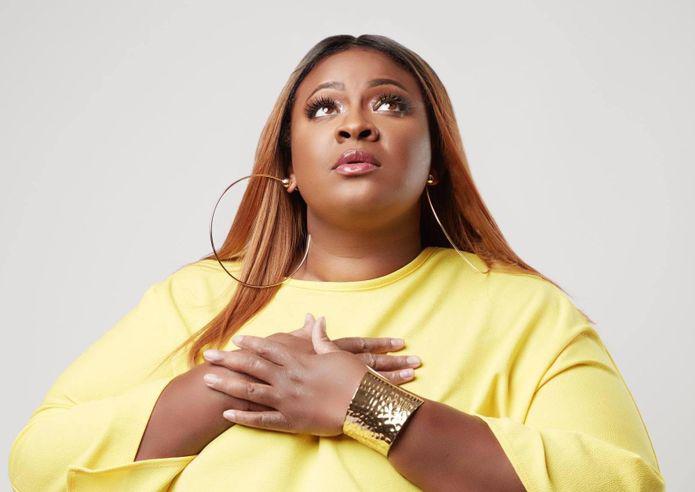
Victoria Sanusi: Destigmatizing Mental Health
Victoria Sanusi started the Black Gals Livin’ podcast with her friend Jas in 2018. Victoria and Jas chat about various things, but listeners especially appreciate how the podcast destigmatizes mental health. “I think perhaps for our listeners, hearing someone who looks like them experiencing low moods, depression, and anxiety makes them feel less alone,” she says. Sanusi donated her $5,000 to the Black LGBTQIA+ Fund, which helps fund therapy sessions for people in the Black LGBTQIA+ community.
Caitlin Murphy: Supporting Healthcare Heroes
After founding her own technology-based freight forwarding firm, Caitlin Murphy used her talents in logistics to help get over 2 million masks to hospitals and senior care facilities across the country early in the COVID-19 pandemic. “To all the working mothers out there, you are doing amazing ladies,” she says. “Juggling all that is motherhood and all that is a working female is no easy feat. You are capable of more than you can imagine.”
Murphy donated her $5,000 to Camp Circle Star, a nonprofit that provides summer camp opportunities to children with disabilities.
Varsha Yajman: Fighting for Climate Justice
In high school, Varsha Yajman helped organize a school strike for climate action in Australia, which involved 80,000 people in Sydney. Today, at 18, she works at a legal firm that pushes for climate change equity. “Being a teenager, I believe it is my duty to fight for justice. Seeing people around me change their opinion on climate justice has been the most rewarding part of the fight,” she says.
Yajman donated her $5,000 to the Australian Youth Climate Commission, a youth-led organization building a movement of young people to lead solutions to the climate crisis.
Simone Gordon: Providing Direct Assistance to Families
After she was helped by a handful of women when she needed it most, Simone Gordon created The Black Fairy Godmother, a non-profit with 12 volunteers who connect people in need with givers who provide direct assistance. “I want people to understand how direct giving can make a major impact,” she says. “We can change lives and save lives by donating and providing resources.”
Gordon’s $5,000 donation will go to five single moms who are enrolling in college or trade school programs to better their future through the BFG Scholarship Program.
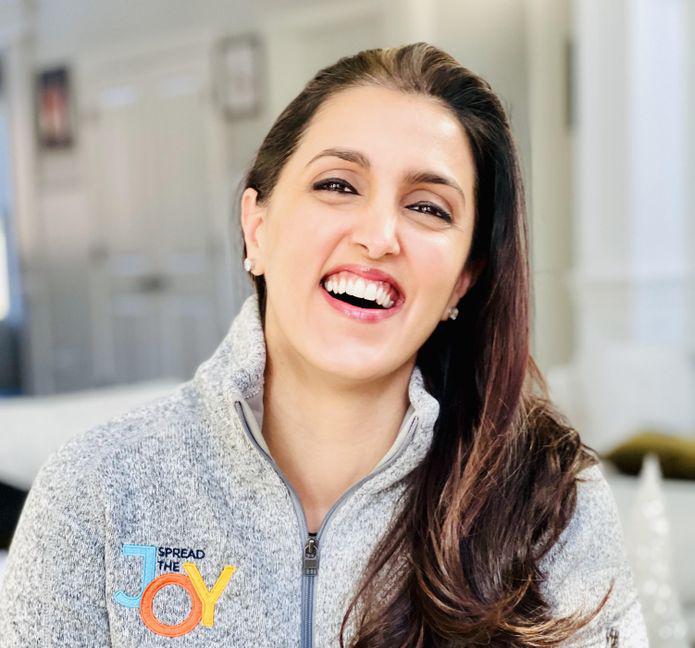
Shalini Samtani founded The Spread the Joy Foundation and Open the Joy in 2019, after her baby daughter was diagnosed with a rare disorder that had her in and out of pediatric hospitals. Her organization delivers free activity kits — ”Joy Boxes” — to pediatric patients all around the country. “I knew at the time that there had to be a better solution, or even just a balm, to soothe the bleeding hearts of all mothers sitting in my seat,” she says, “and I was determined to find it for my own family, as well as for others.
Samtani will use her $5,000 to provide even more Joy Boxes to kids in hospitals around the country.
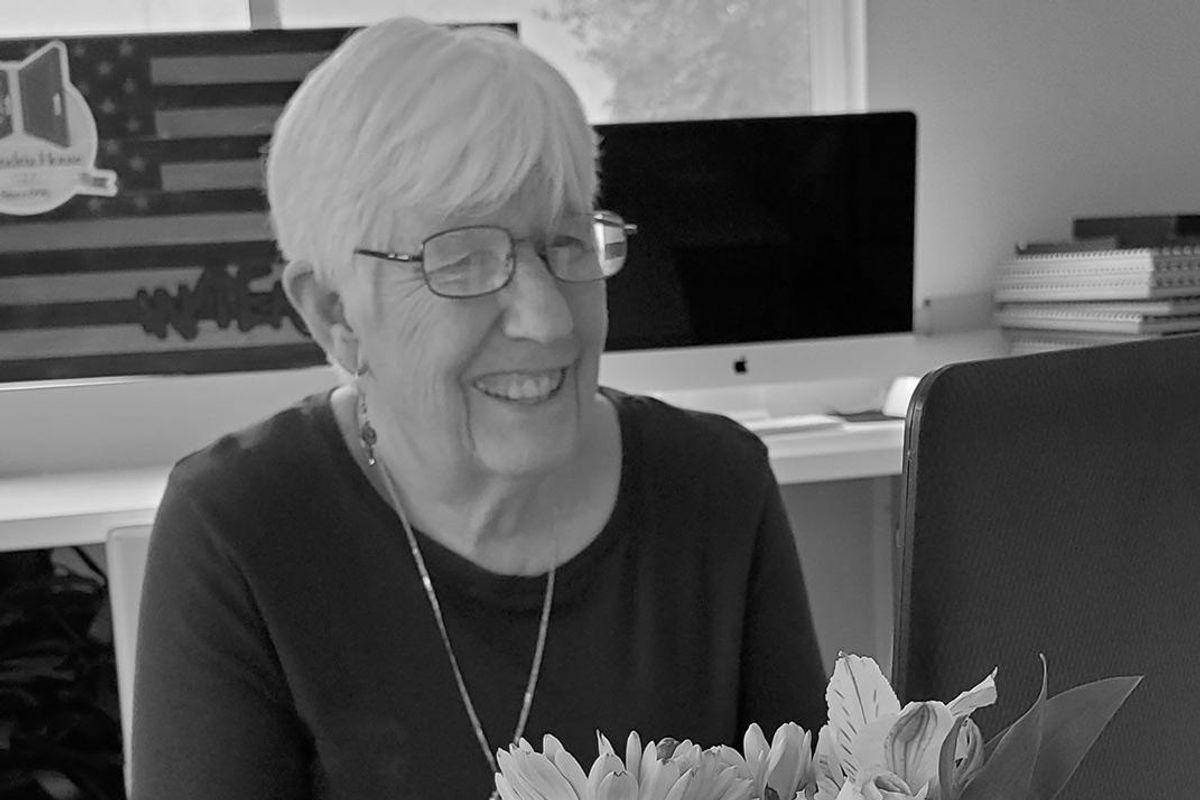
Judy Vaughan: Housing People Experiencing Homelessness
Vaughan helped found Alexandria House, a transitional housing space in Los Angeles for families that need a little help getting back on their feet, 25 years ago. Of the 200 families that have utilized the house, 92% have not gone back to homelessness. “It has been amazing to watch the children grow up and the moms recreate their lives for themselves and for their families,” Vaughan says. “I have witnessed resiliency, courage, and heroic acts of generosity.”
Vaughan will put her $5,000 into Alexandria House and the new Step Up Sisterhood LA program.
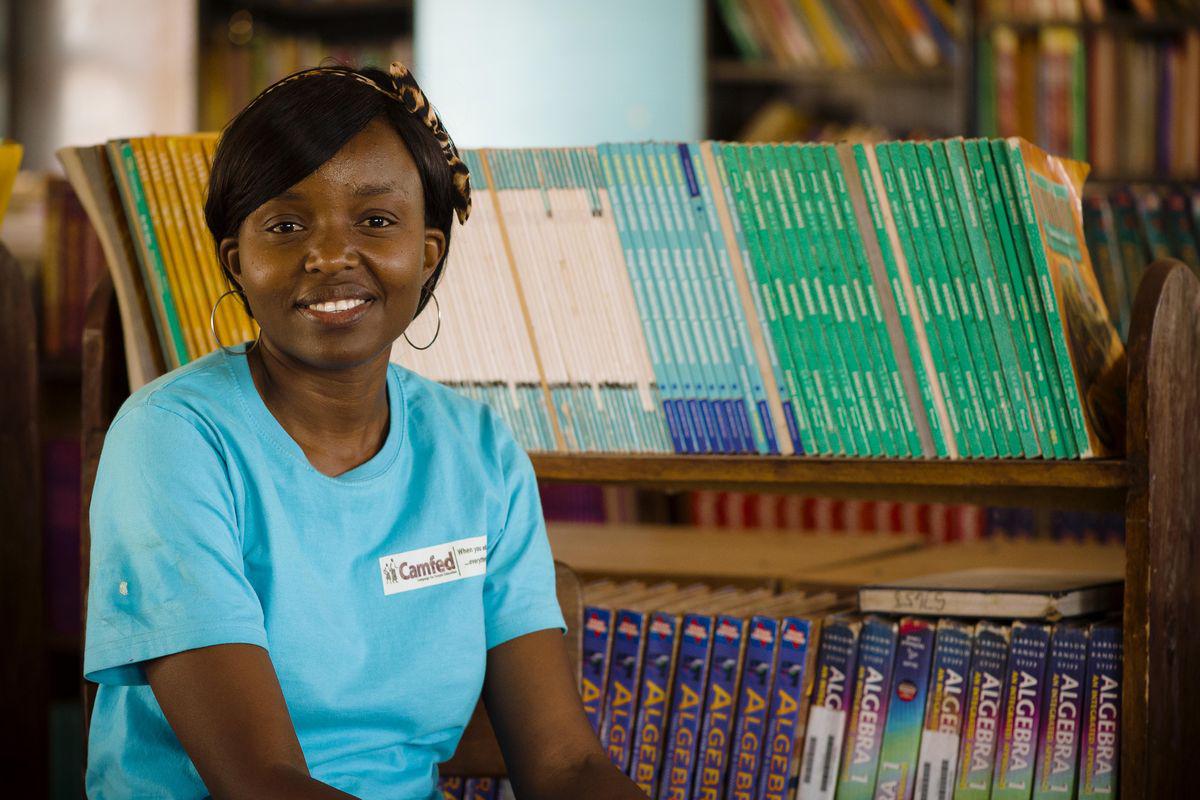
Alice Saisha: Revolutionizing Girls’ Education
Alice Saisha nearly dropped out of school and almost became a child bride in Zambia when CAMFED stepped in and helped support her education. Thanks to the pan-African organization’s support, she was able to complete her education and become an activist, philanthropist, advocate of women’s rights, and CAMFED ambassador. “We speak out for the voiceless, create leaders along the way, and amplify the importance of children’s welfare in school and at home,” she says.
Saisha donated her $5,000 to CAMFED to help revolutionize and support girls’ education.
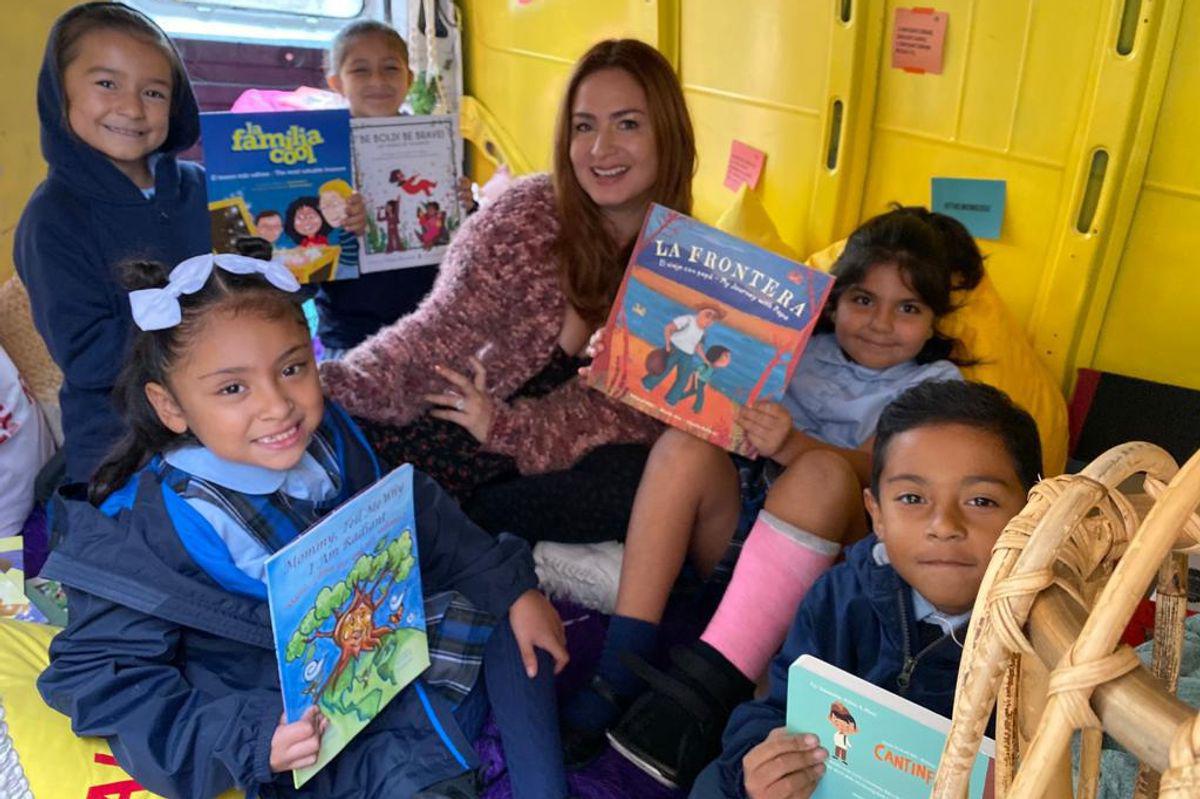
Davina Agudelo: Supporting BIPOC and Latinx Writers
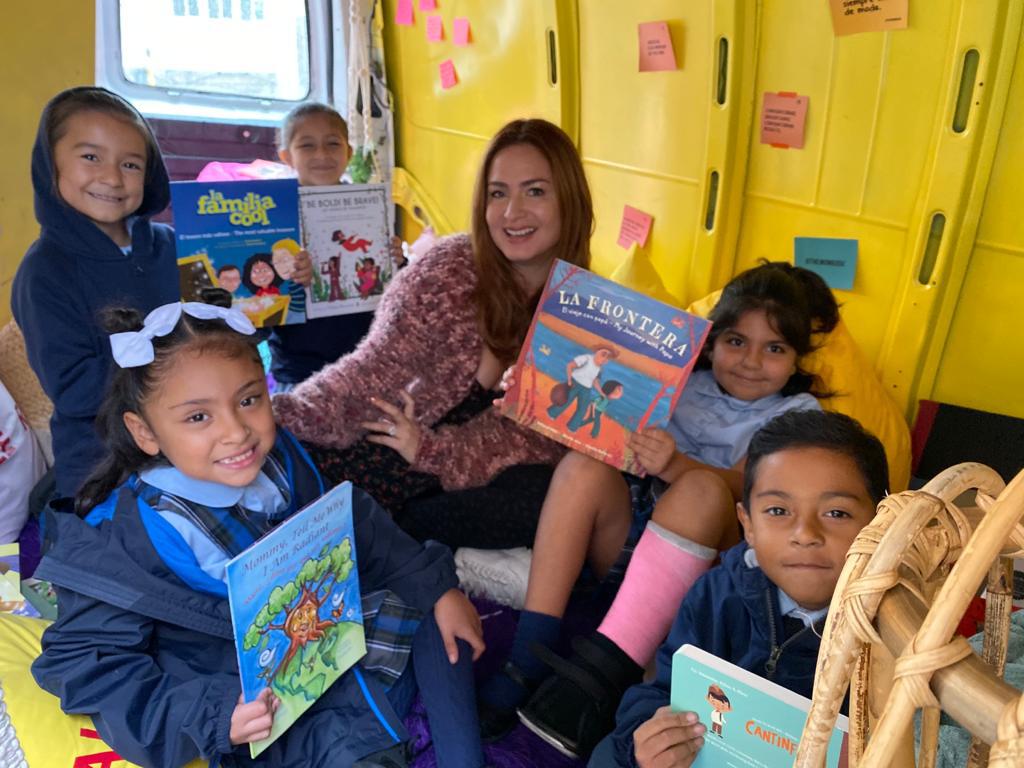
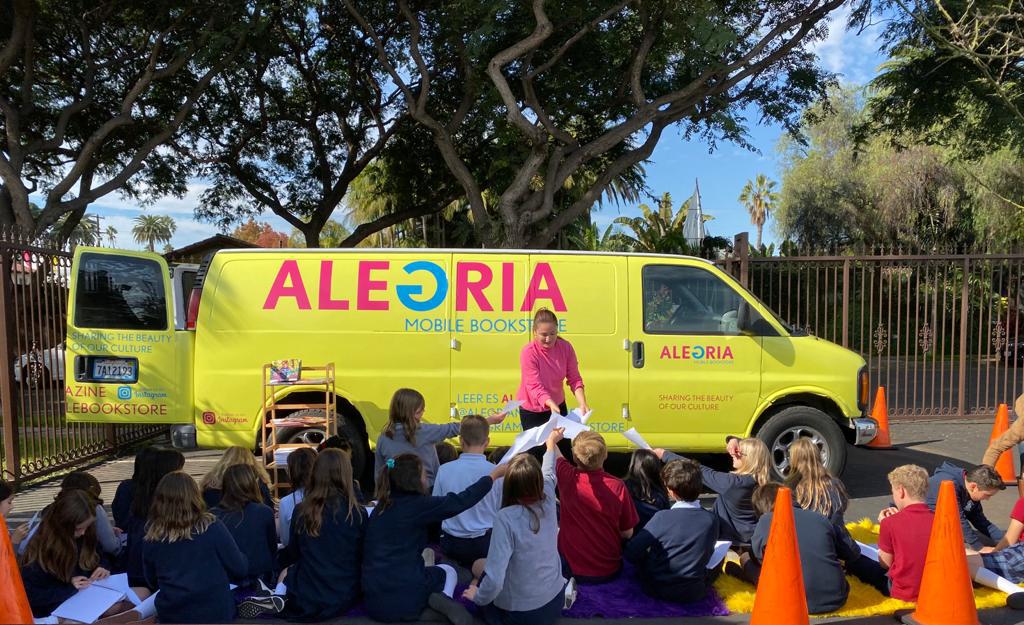
Davina Agudelo founded Alegría Magazine and refurbished a van into a mobile bookstore to celebrate Latin American and LatinX indie authors and poets. She also mentors indie writers and encourages children’s reading and writing in low-income communities across Southern California. “The amount of talent in our community pushes me to keep growing our company so the world can read their work and remember their names,” she says.
Agudelo donated her $5,000 to the Sims Library of Poetry, the first Black-owned poetry library in California.
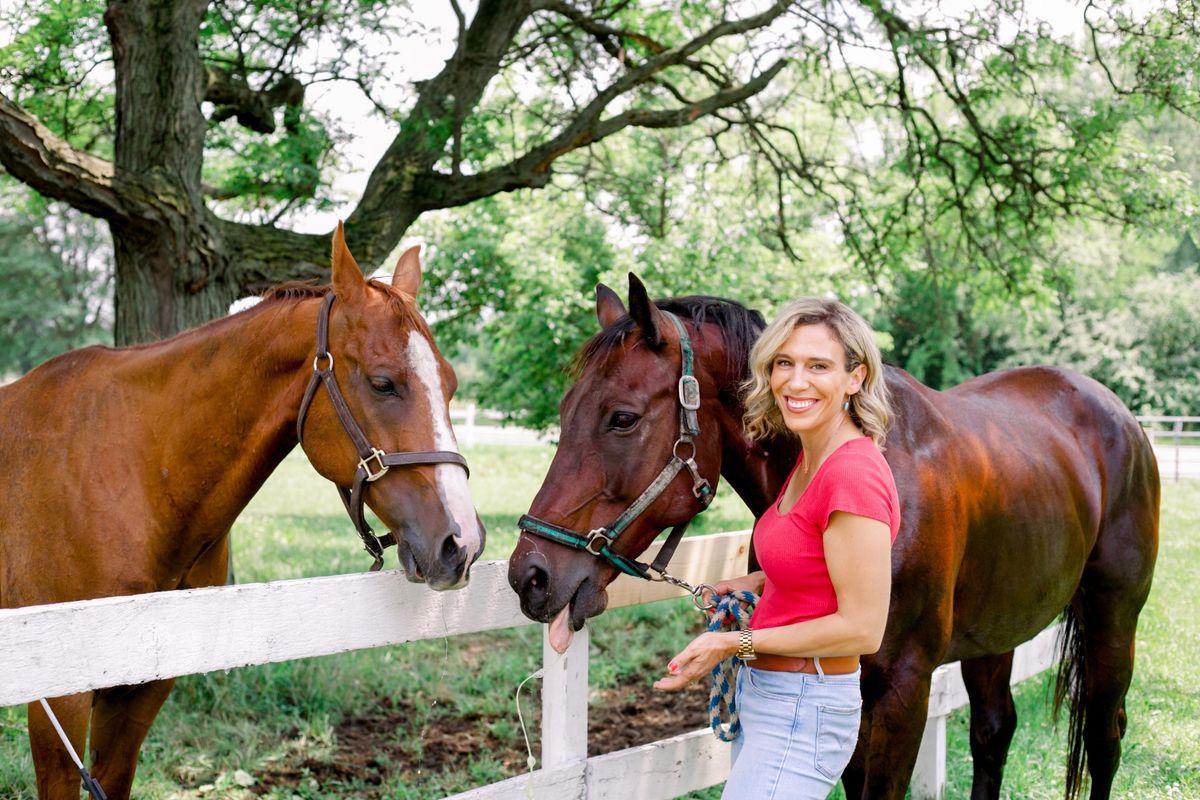
Molly Reeser: Healing with Horses
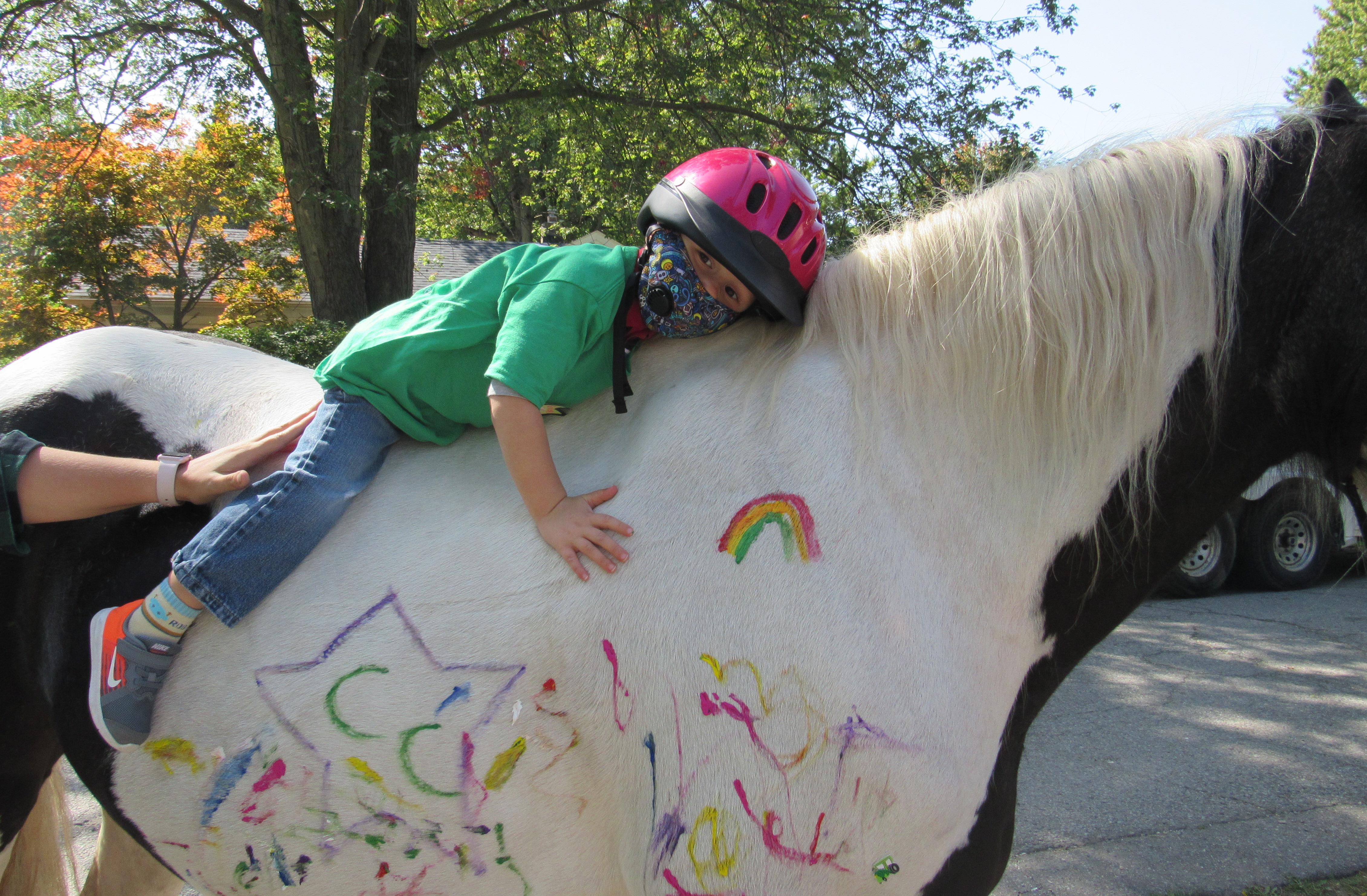
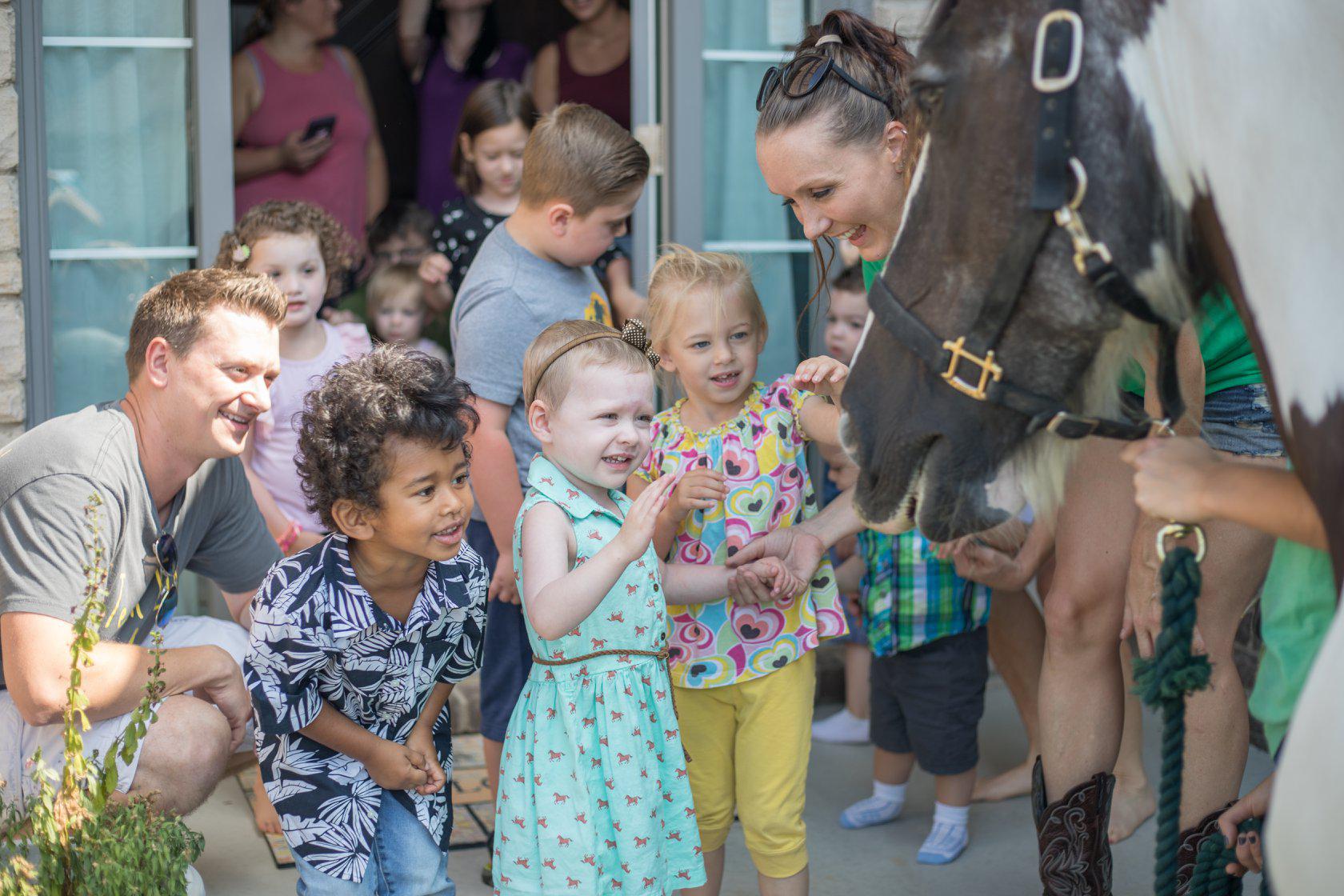
In college, Molly Reeser worked mucking horses and was inspired by how much the horses helped a young girl named Casey with her cancer journey. Reeser founded Camp Casey, a day camp for kids with cancer, sickle cell disease, and other life-threatening illnesses, which now serves 1500 children each year in Michigan. “It brings me tremendous joy to see people, animals, or things coming together to create goodness in a world that can often be filled with hardships,” she says.
Reeser is using her $5,000 to bolster Camp Casey’s programs and help make them year-round.
Shanda Lynn Poitra: Empowering Women with Self-Defense
Shanda Lynn Poitra spent years in an abusive relationship, and it wasn’t until she took an IMPACT self-defense class that she gained the courage and self-confidence to leave her abuser. She wanted to share the wisdom and boundary-setting skills she’d gained with other Native women, so she started an IMPACT chapter in her community. “During the closing circles in our workshops, we all get to see the strength and transformation these women worked so hard for,” she says. “We get to see them take their power back from those who hurt them.”
Poitra is using her $5,000 to bring IMPACT to more indigenous survivors of domestic violence.
Sue Hoppin: Supporting Military Spouses
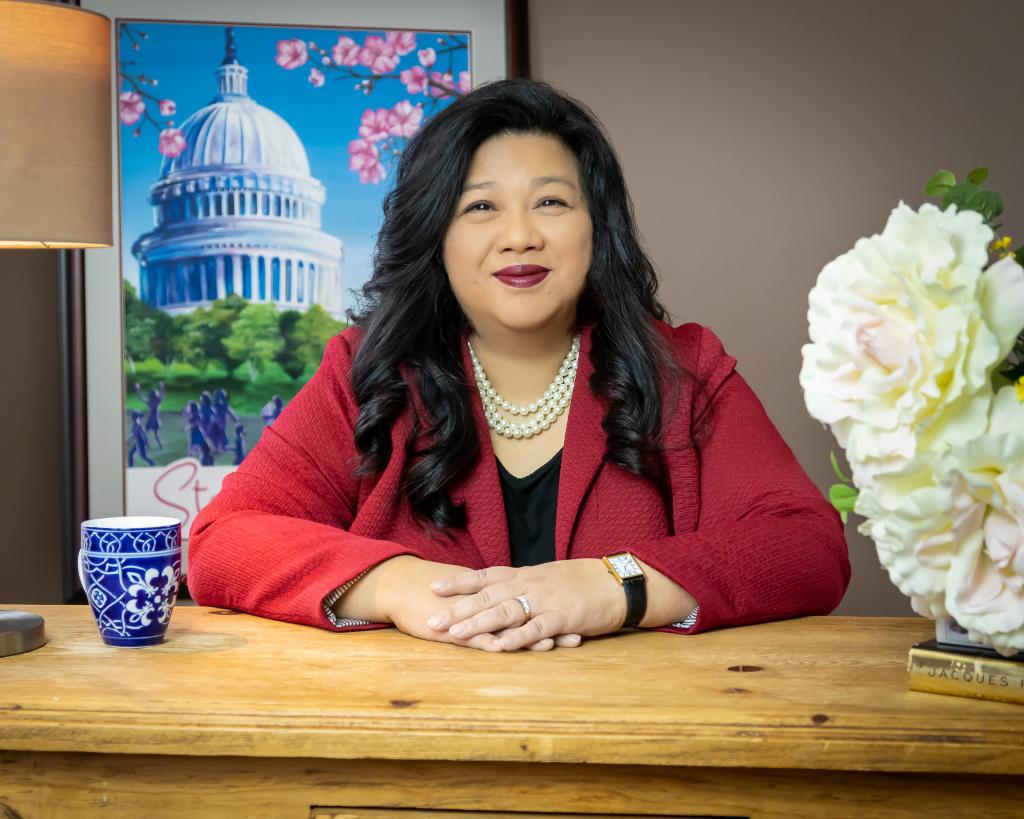
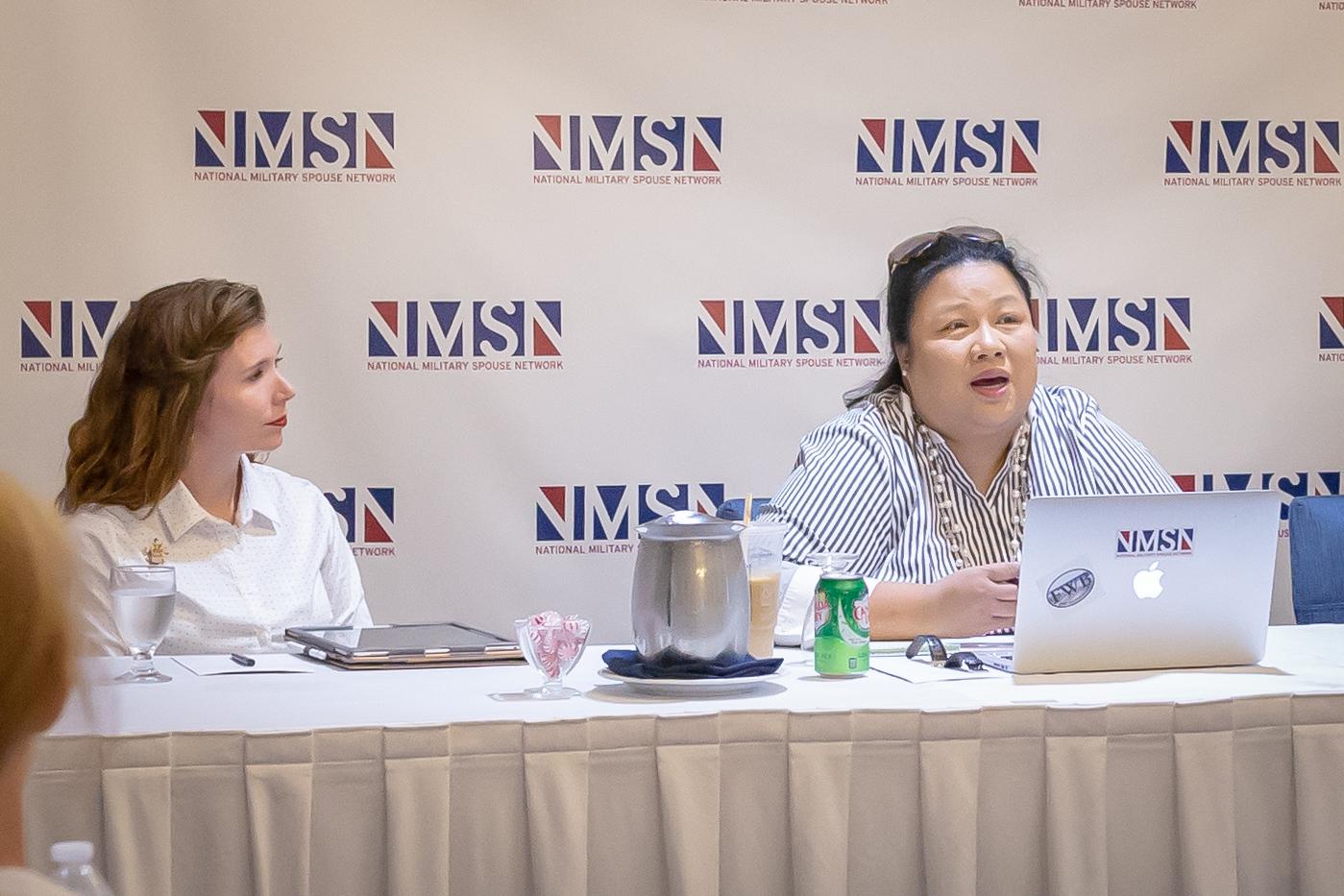
After realizing how moving around as a military spouse created a barrier to her own career, Sue Hoppin created the National Military Spouse Network (NMSN), the first organization dedicated to advocating for the professional military spouse community. “We lose out as a nation when service members leave the force because their spouse is unable to find employment,” she says. “We see it as a national security issue.”
Hoppin’s $5,000 is going to The Madeira School, which fosters empowerment and confidence in women.
Amita Swadhin: Combating Rape Culture through Storytelling
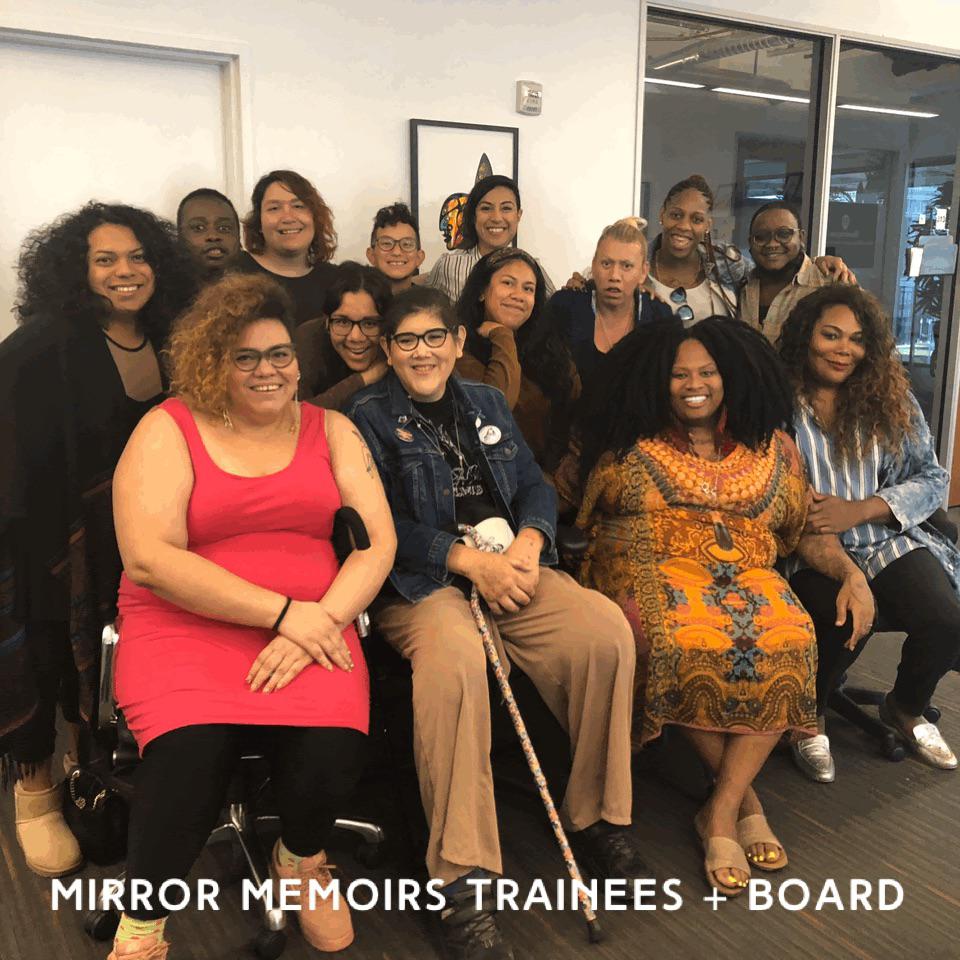
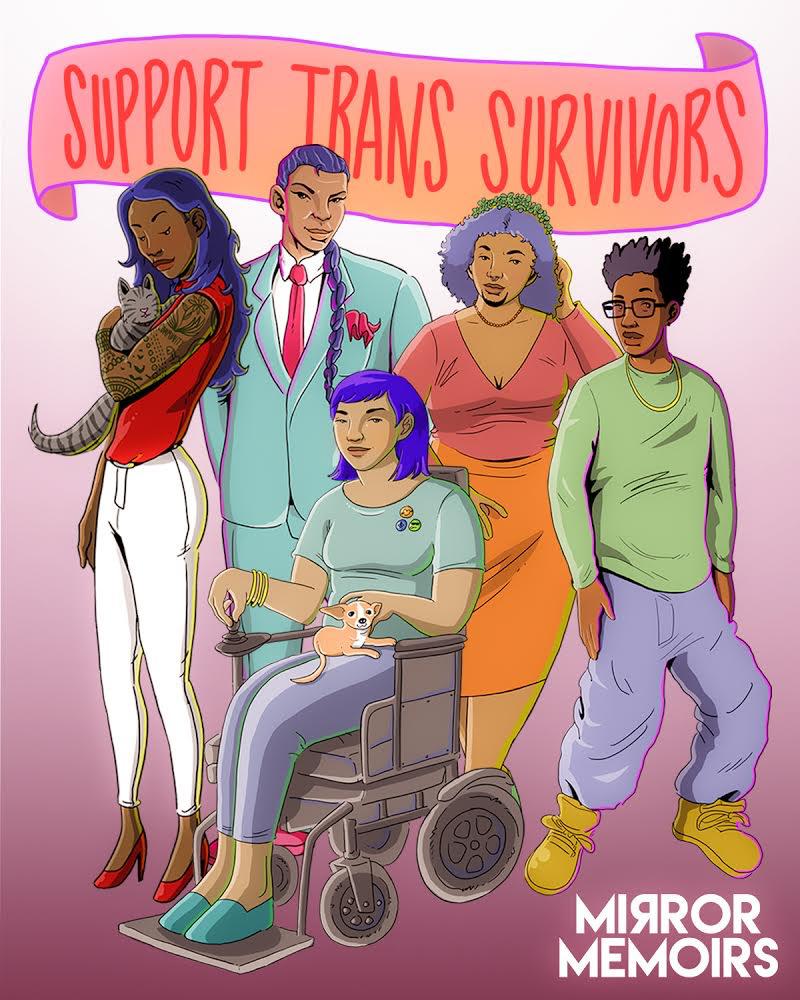
As a rape survivor, Amita Swadhin founded Mirror Memoirs, a storytelling and organizing project dedicated to people of color who are survivors of child sexual abuse as well as survivors who have been historically ignored. “Listening to stories is also a powerful way to build empathy, due to the mirror neurons in people’s brains. This is, in part, why the project is called Mirror Memoirs,” Amita says.
Swadhin is dedicating their $5,000 to Mirror Memoirs to help fund production costs for a new theater project.
Farwisa Farhan: Protecting Ecosystems
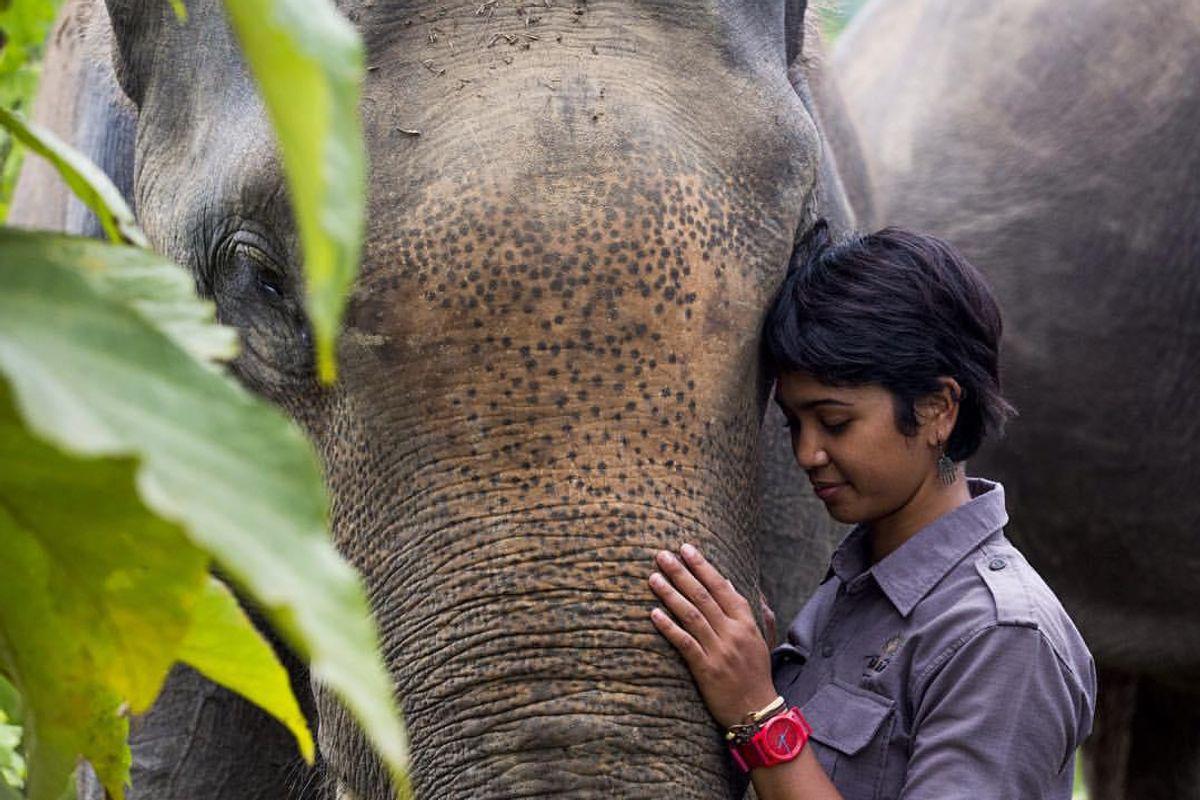
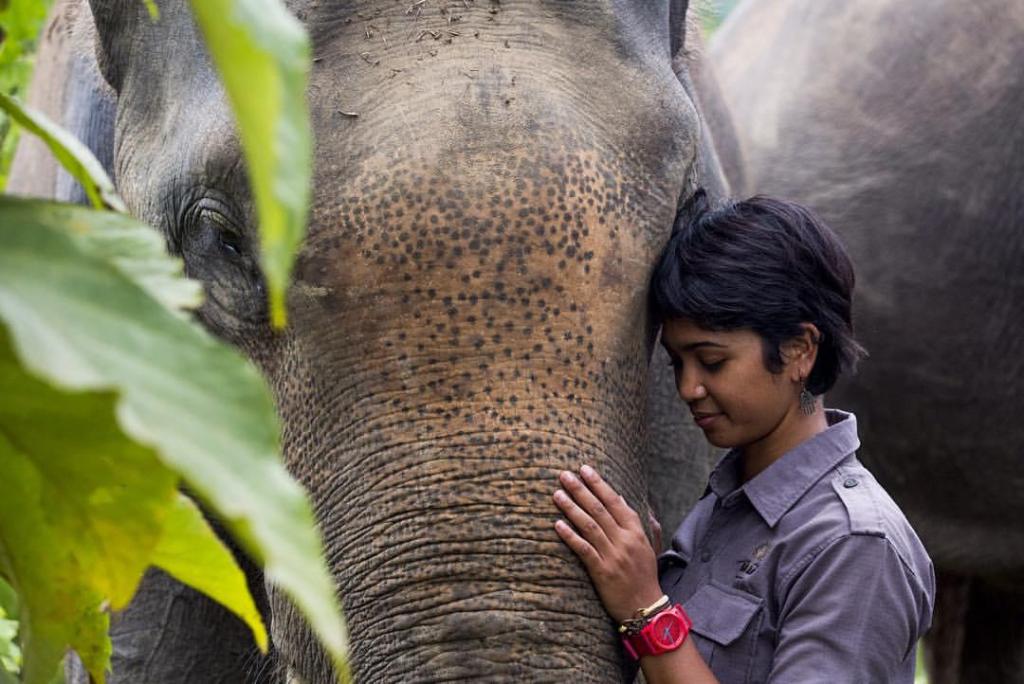
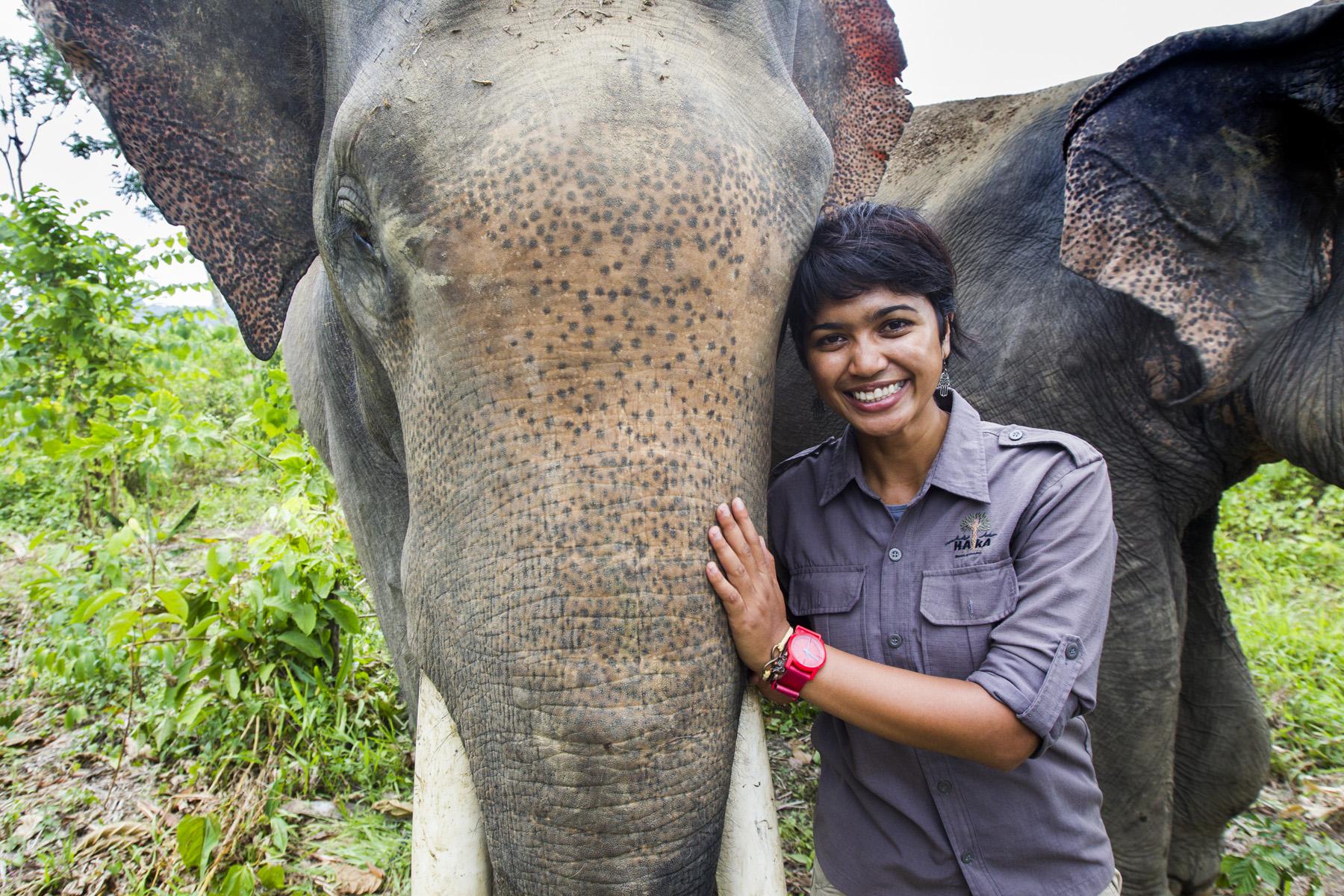
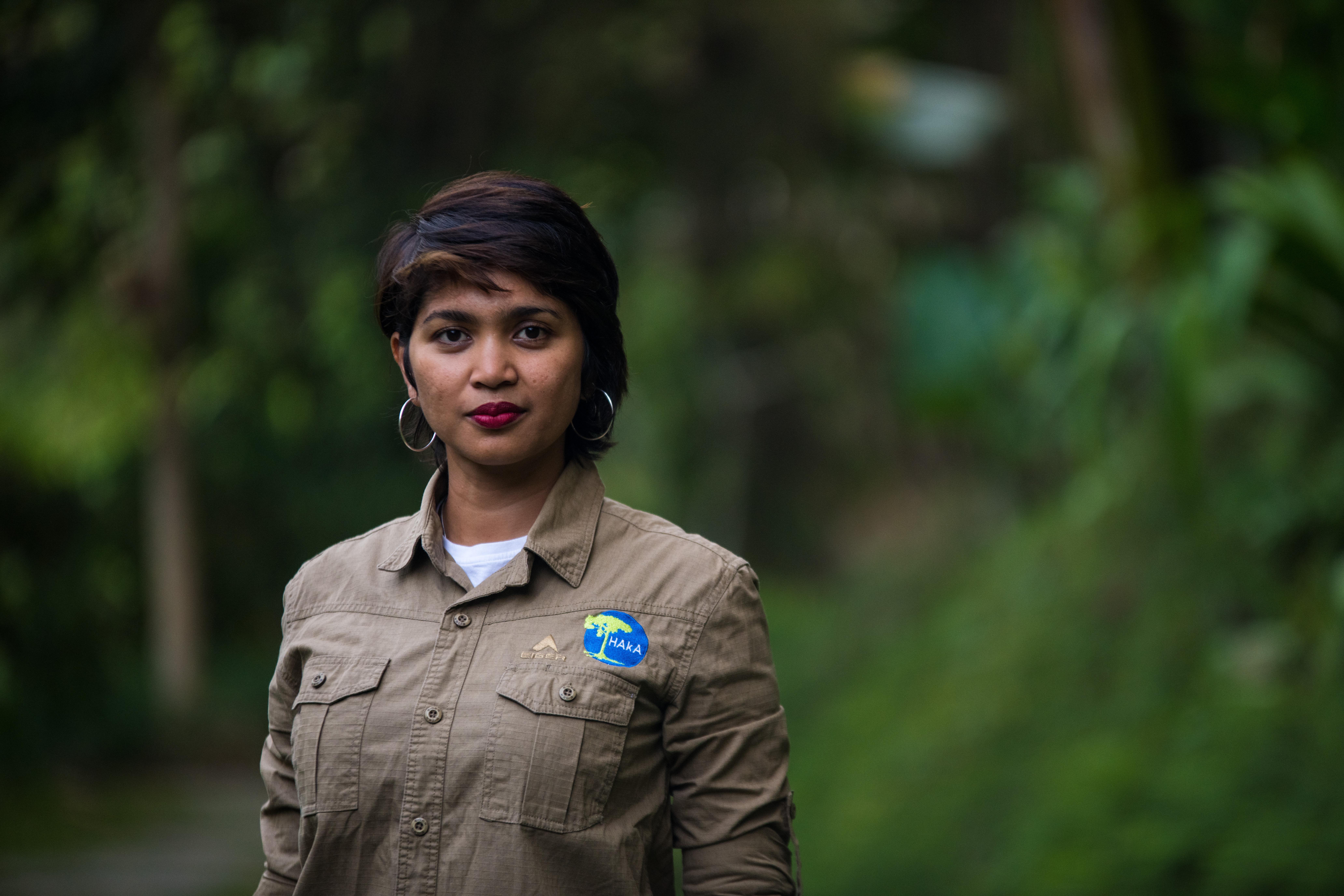
The Leuser Ecosystem in Sumatra, Indonesia is one of the last places on earth where endangered species such as tigers, orangutans, elephants and Sumatran rhinoceros still live in the wild. Farwisa Farhan created the HAkA Foundation to try to protect it after the government agency charged with that mission was dismantled. “We think gold and diamonds are rare and therefore valuable assets,” she says, “but wild places and forests, like the Leuser Ecosystems, are the kind of natural assets that essentially provide us with life-sustaining services.”
Farhan is donating her $5,000 to the Ecosystem Impact Foundation, to help keep a ranger who protects endangered leatherback turtles employed.
Deidra Mayberry: Empowering Others Through Literacy
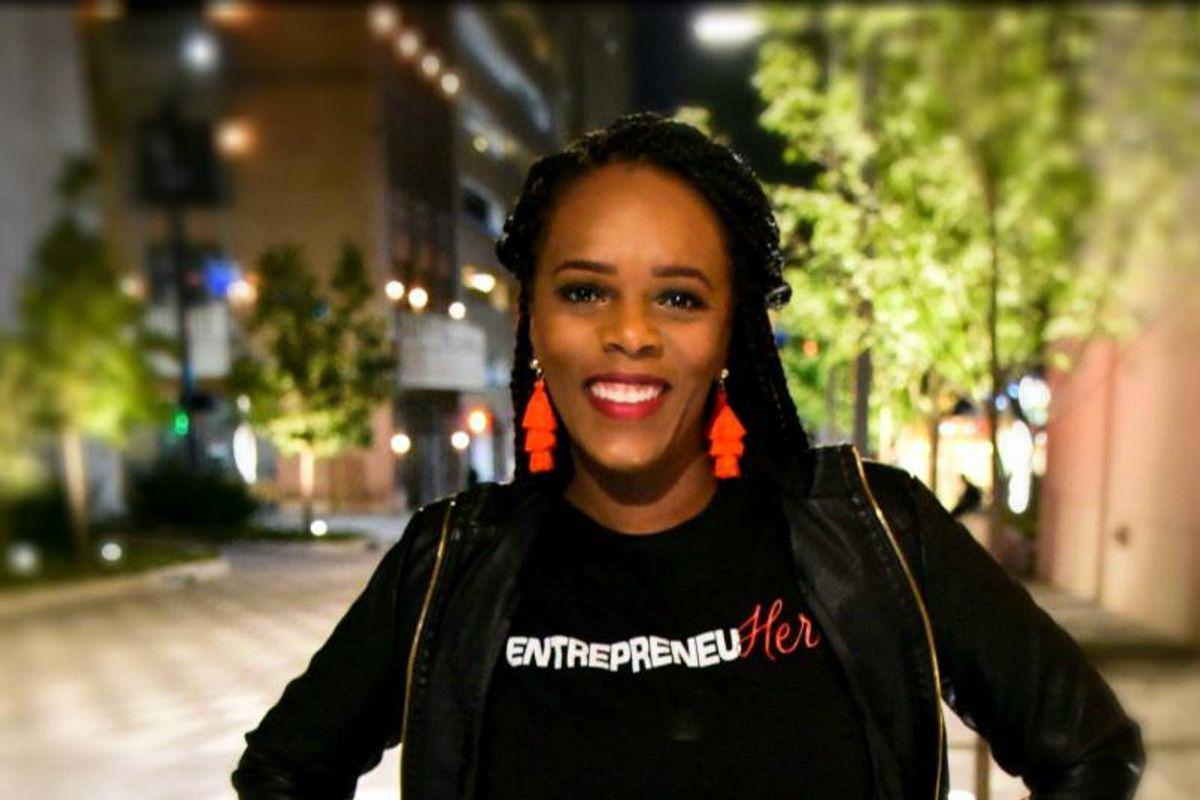
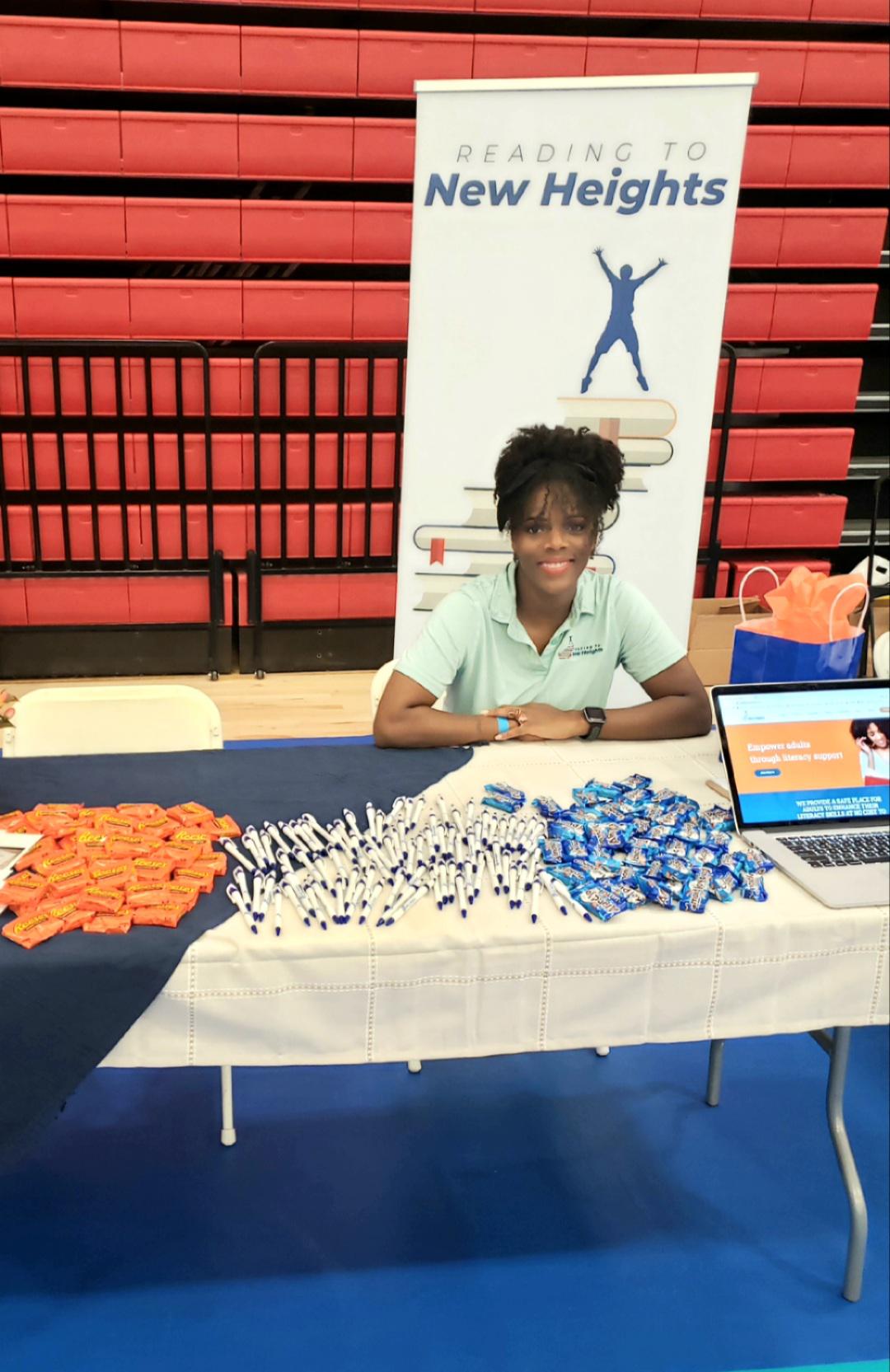
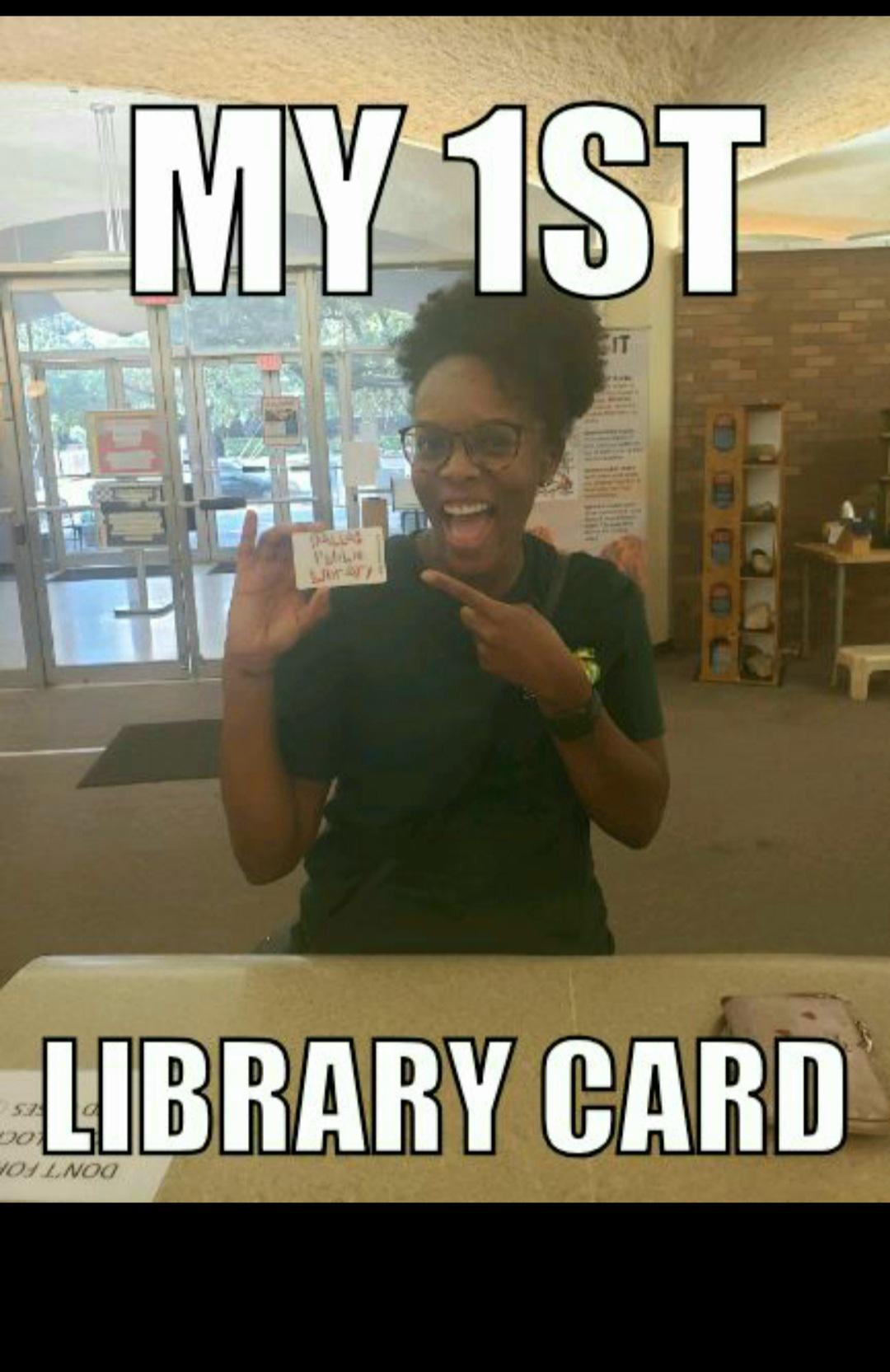
When Deidra Mayberry was in school, she struggled with reading. As an adult, she learned about functional literacy, where a person may have some basic reading skills, but not enough to thrive. Having struggled herself, she wanted to help others, so she founded the Reading to New Heights literacy program for adults. “It’s kind of ironic, the very thing I was ashamed of and thought I had to hide for years was the one thing that, once I shared it, not only freed me but gave me hope and provided a way to help others,” she says.
Mayberry is putting her $5,000 into her new and growing non-profit organization.
Though 2021 has been a tough year for many, these impressive women and their organizations are giving back to their community in incredible ways. Empowered women inspire others, and if we want to see greater progress in our world, we need to empower more women.
Thankfully, that’s something we can all help with. Tory Burch and Upworthy are looking for more extraordinary women to honor, so if you know an empowered woman, nominate her here. Learn more about Tory Burch and Upworthy’s Empowered Women program here.
Let’s all celebrate the amazing women in our lives and give them the gift of recognition they deserve.
When Deidra Mayberry was a child, she struggled with reading. Feeling embarrassed and ashamed, she did her best to hide it. And she was pretty good at hiding it. As her family moved around a lot, due to her parents’ military career, she adapted and kept hiding it — making it all the way through…
When Deidra Mayberry was a child, she struggled with reading. Feeling embarrassed and ashamed, she did her best to hide it. And she was pretty good at hiding it. As her family moved around a lot, due to her parents’ military career, she adapted and kept hiding it — making it all the way through school without anyone really noticing.
After graduating from high school, she started looking for support to improve her reading skills.
“I was turned away because I was over the age of 17, and other private options like one-on-one tutoring were financially out of reach for me.”
Deidra promised that one day she’d do something to fix it. After struggling for years, and eventually finding support, she started a nonprofit to help other adults facing their own challenges with literacy. Now she’s striving to help the almost 43,000,000 adults who still are struggling. According to the National Center for Educational Statistics (NCES), 21 percent of adults in the United States (about 43 million) fall into the illiterate/functionally illiterate category.
For Deidra, college was the first time she experienced and understood what functional illiteracy was. Someone who is illiterate is unable to read or write at all, but someone who is functionally illiterate has some reading skills — they’re just not strong enough to manage daily living and employment tasks.
She was able to graduate by taking extra summer semesters, spending long nights studying, changing her major when it got too hard, and getting help from her dad.
“I was so proud that I actually made it through college and graduated,” Deidra says. “But once I started to apply for jobs, reality kicked in fast. I never truly fixed my literacy problems. Instead, I found ways to work around them in order to spare myself the embarrassment and shame that I already felt daily.”
“I relied heavily on movies to teach me and give me exposure to things in life that would help me relate to others,” she says. “This caused me to live a life of fear, limitations, and hopelessness.”
“I felt unworthy because I knew I had this big secret — and thought if people knew, they would see that I had no value.”
Deidra continued to live like this for years until she had a lightbulb moment.
“I was working so hard to hide my literacy struggle in order to make it work, but I asked myself, ‘What if I worked just as hard to fix it?’”
She found the courage to tell a friend, who began tutoring her. “The hope, courage, and confidence she helped me find was the beautiful moment of empowerment that reminded me to create and provide a resource for people just like me.”
That’s exactly what she did. On March 12, 2020, she and another friend decided to start a nonprofit to help other adults that were functionally illiterate. And even though COVID-19 shut down businesses and sent people into lockdown the very next day, she didn’t let it stop her.
“I just believed God was with me and the time was still now because people have been waiting for this,” she says.
She launched Reading to New Heights, an organization that teaches adults the fundamentals of reading with one-on-one, confidential and virtual tutoring sessions with certified educators.
“The curriculum that our educators teach from allows our adult learners to revisit the fundamentals of reading and comprehension as if they are learning them for the first time,” Deidra says. “Basic reading foundations such as phonemic awareness, phonics, fluency, spelling, vocabulary and comprehension are exactly what adults struggling with illiteracy need in order to build competent literacy skills and fill the gaps that illiteracy causes in education.”
And most importantly, these services are provided at no cost, so that anyone who needs them has access.
“Though illiteracy and functional illiteracy can affect anyone, people in low-income and underserved communities of color are more likely to be limited in education, income, and workplace advancement opportunities because of it.”
“Illiteracy and functional illiteracy can be directly linked to higher prison populations, lower household incomes, and inaccessibility to quality healthcare,” Deidra explains. “By committing to developing the fundamentals of reading, our adult learners overcome both the psychological and environmental limitations of illiteracy.”
Since they launched, the nonprofit has been featured on Fox 4 News, which gave them the exposure they needed to grow from three adult program participants to 20 — and they hope to continue growing. They have also been accepted into an Incubator Program with the United Way, which is designed to support them while they build their business.
Deidra is one of Tory Burch’s Empowered Women this year. The donation she receives as a nominee is being awarded to her new and growing nonprofit.
“It’s kind of ironic, the very thing I was ashamed of and thought I had to hide for years was the one thing that, once I shared it, not only freed me but gave me hope and provided a way to help others,” Deidra says. “I love that my story has been about helping others find the courage to share and take the first step to start their literacy journey.”
To learn more about Tory Burch and Upworthy’s Empowered Women program visit https://www.toryburch.com/empoweredwomen. Do you know an inspiring woman like Deidra? Nominate her today!
Growing up in Indonesia, Farwiza Farhan always loved the ocean. It’s why she decided to study marine biology. But the more she learned, the more she realized that it wasn’t enough to work in the ocean. She needed to protect it. “I see the ocean ecosystem collapsing due to overfishing and climate change,” she says.…
Growing up in Indonesia, Farwiza Farhan always loved the ocean. It’s why she decided to study marine biology. But the more she learned, the more she realized that it wasn’t enough to work in the ocean. She needed to protect it.
“I see the ocean ecosystem collapsing due to overfishing and climate change,” she says. “I felt powerless and didn’t know what to do [so] I decided to pursue my master’s in environmental management.”
This choice led her to work in environmental protection, and it was fate that brought her back home to the Leuser Ecosystem in Sumatra, Indonesia — one of the last places on earth where species such as tigers, orangutans, elephants and Sumatran rhinoceros still live in the wild today. It’s also home to over 300 species of birds, eight of which are endemic to the region.
“When I first flew over the Leuser Ecosystem, I saw an intact landscape, a contiguous block of lush, diverse vegetation stretched through hills and valleys. The Leuser is truly a majestic landscape — one of a kind.”
She fell in love. “I had my first orangutan encounter in the Leuser Ecosystem,” she remembers. “As the baby orangutan swung from the branches, seemingly playing and having fun, the mother was observing us. I was moved by the experience.”
“Over the years,” she continues, “the encounters with wildlife, with people, and with the ecosystem itself compounded. My curiosity and interest towards nature have turned into a deep desire to protect this biodiversity.”
So, she began working for a government agency tasked to protect it. After the agency dismantled for political reasons in the country, Farhan decided to create the HAkA Foundation.
“The goals [of HAkA] are to protect, conserve and restore the Leuser Ecosystem while at the same time catalyzing and enabling just economic prosperity for the region,” she says.
“Wild areas and wild places are rare these days,” she continues. “We think gold and diamonds are rare and therefore valuable assets, but wild places and forests, like the Leuser Ecosystems, are the kind of natural assets that essentially provide us with life-sustaining services.”
“The rivers that flow through the forest of the Leuser Ecosystem are not too dissimilar to the blood that flows through our veins. It might sound extreme, but tell me — can anyone live without water?”
So far, HAkA has done a lot of work to protect the region. The organization played a key role in strengthening laws that bring the palm oil companies that burn forests to justice. In fact, their involvement led to an unprecedented, first-of-its-kind court decision that fined one company close to $26 million.
In addition, HAkA helped thwart destructive infrastructure plans that would have damaged critical habitat for the Sumatran elephants and rhinos. They’re working to prevent mining destruction by helping communities develop alternative livelihoods that don’t damage the forests. They’ve also trained hundreds of police and government rangers to monitor deforestation, helping to establish the first women ranger teams in the region.
“We have supported multiple villages to create local regulation on river and land protection, effectively empowering communities to regain ownership over their environment.”
She is one of Tory Burch’s Empowered Women this year. The donation she receives as a nominee is being awarded to the Ecosystem Impact Foundation. The small local foundation is working to protect some of the last remaining habitats of the critically endangered leatherback turtle that lives on the west coast of Sumatra.
“The funds will help the organization keep their ranger employed so they can continue protecting the islands, endangered birds and sea turtle habitats,” she says.
To learn more about Tory Burch and Upworthy’s Empowered Women program visit https://www.toryburch.com/empoweredwomen. Do you know an inspiring woman like Farwiza? Nominate her today!
In 2016, Amita Swadhin, a child of two immigrant parents from India, founded Mirror Memoirs to help combat rape culture. The national storytelling and organizing project is dedicated to sharing the stories of LGBTQIA+ Black, indigenous people, and people of color who survived child sexual abuse. “Whether or not you are a survivor, 100% of…
In 2016, Amita Swadhin, a child of two immigrant parents from India, founded Mirror Memoirs to help combat rape culture. The national storytelling and organizing project is dedicated to sharing the stories of LGBTQIA+ Black, indigenous people, and people of color who survived child sexual abuse.
“Whether or not you are a survivor, 100% of us are raised in rape culture. It’s the water that we’re swimming in. But just as fish don’t know they are in water, because it’s just the world around them that they’ve always been in, people (and especially those who aren’t survivors) may need some help actually seeing it,” they add.
“Mirror Memoirs attempts to be the dye that helps everyone understand the reality of rape culture.”
Amita built the idea for Mirror Memoirs from a theater project called “Undesirable Elements: Secret Survivors” that featured their story and those of four other survivors in New York City, as well as a documentary film and educational toolkit based on the project.
“Secret Survivors had a cast that was gender, race, and age-diverse in many ways, but we had neglected to include transgender women,” Amita explains. “Our goal was to help all people who want to co-create a world without child sexual abuse understand that the systems historically meant to help survivors find ‘healing’ and ‘justice’ — namely the child welfare system, policing, and prisons — are actually systems that facilitate the rape of children in oppressed communities,” Amita continues. “We all have to explore tools of healing and accountability outside of these systems if we truly want to end all forms of sexual violence and rape culture.”
Amita also wants Mirror Memoirs to be a place of healing for survivors that have historically been ignored or underserved by anti-violence organizations due to transphobia, homophobia, racism, xenophobia, and white supremacy.
“Hearing survivors’ stories is absolutely healing for other survivors, since child sexual abuse is a global pandemic that few people know how to talk about, let alone treat and prevent.”
“Since sexual violence is an isolating event, girded by shame and stigma, understanding that you’re not alone and connecting with other survivors is alchemy, transmuting isolation into intimacy and connection.”
This is something that Amita knows and understands well as a survivor herself.
“My childhood included a lot of violence from my father, including rape and other forms of domestic violence,” says Amita. “Mandated reporting was imposed on me when I was 13 and it was largely unhelpful since the prosecutors threatened to incarcerate my mother for ‘being complicit’ in the violence I experienced, even though she was also abused by my father for years.”
What helped them during this time was having the support of others.
“I’m grateful to have had a loving younger sister and a few really close friends, some of whom were also surviving child sexual abuse, though we didn’t know how to talk about it at the time,” Amita says.
“I’m also a queer, non-binary femme person living with complex post-traumatic stress disorder, and those identities have shaped a lot of my life experiences,” they continue. “I’m really lucky to have an incredible partner and network of friends and family who love me.”
“These realizations put me on the path of my life’s work to end this violence quite early in life,” they said.
Amita wants Mirror Memoirs to help build awareness of just how pervasive rape culture is. “One in four girls and one in six boys will be raped or sexually assaulted by the age of 18,” Amita explains, “and the rates are even higher for vulnerable populations, such as gender non-conforming, disabled, deaf, unhoused, and institutionalized children.” By sharing their stories, they’re hoping to create change.
“Listening to stories is also a powerful way to build empathy, due to the mirror neurons in people’s brains. This is, in part, why the project is called Mirror Memoirs.”
So far, Mirror Memoirs has created an audio archive of BIPOC LGBTQI+ child sexual abuse survivors sharing their stories of survival and resilience that includes stories from 60 survivors across 50 states. This year, they plan to record another 15 stories, specifically of transgender and nonbinary people who survived child sexual abuse in a sport-related setting, with their partner organization, Athlete Ally.
“This endeavor is in response to the more than 100 bills that have been proposed across at least 36 states in 2021 seeking to limit the rights of transgender and non-binary children to play sports and to receive gender-affirming medical care with the support of their parents and doctors,” Amita says.
In 2017, Mirror Memoirs held its first gathering, which was attended by 31 people. Today, the organization is a fiscally sponsored, national nonprofit with two staff members, a board of 10 people, a leadership council of seven people, and 500 members nationally.
When the pandemic hit in 2020, they created a mutual aid fund for the LGBTQIA+ community of color and were able to raise a quarter-million dollars. They received 2,509 applications for assistance, and in the end, they decided to split the money evenly between each applicant.
While they’re still using storytelling as the building block of their work, they’re also engaging in policy and advocacy work, leadership development, and hosting monthly member meetings online.
For their work, Amita is one of Tory’s Burch’s Empowered Women. Their donation will go to Mirror Memoirs to help fund production costs for their new theater project, “Transmutation: A Ceremony,” featuring four Black transgender, intersex, and non-binary women and femmes who live in California.
“I’m grateful to every single child sexual survivor who has ever disclosed their truth to me,” Amita says. “I know another world is possible, and I know survivors will build it, together with all the people who love us.”
To learn more about Tory Burch and Upworthy’s Empowered Women program visit https://www.toryburch.com/empoweredwomen/. Nominate an inspiring woman in your community today!
When Sue Hoppin was in college, she met the man she was going to marry. “I was attending the University of Denver, and he was at the Air Force Academy,” she says. “My dad had also attended the University of Denver and warned me not to date those flyboys from the Springs.” “He didn’t say…
When Sue Hoppin was in college, she met the man she was going to marry. “I was attending the University of Denver, and he was at the Air Force Academy,” she says. “My dad had also attended the University of Denver and warned me not to date those flyboys from the Springs.”
“He didn’t say anything about marrying one of them,” she says. And so began her life as a military spouse.
The life brings some real advantages, like opportunities to live abroad — her family got to live all around the US, Japan, and Germany — but it also comes with some downsides, like having to put your spouse’s career over your own goals.
“Though we choose to marry someone in the military, we had career goals before we got married, and those didn’t just disappear.”
Career aspirations become more difficult to achieve, and progress comes with lots of starts and stops. After experiencing these unique challenges firsthand, Sue founded an organization to help other military spouses in similar situations.
Sue had gotten a degree in international relations because she wanted to pursue a career in diplomacy, but for fourteen years she wasn’t able to make any headway — not until they moved back to the DC area. “Eighteen months later, many rejections later, it became apparent that this was going to be more challenging than I could ever imagine,” she says.
Eighteen months is halfway through a typical assignment, and by then, most spouses are looking for their next assignment. “If I couldn’t find a job in my own ‘hometown’ with multiple degrees and a great network, this didn’t bode well for other military spouses,” she says.
She’s not wrong. Military spouses spend most of their lives moving with their partners, which means they’re often far from family and other support networks. When they do find a job, they often make less than their civilian counterparts — and they’re more likely to experience underemployment or unemployment. In fact, on some deployments, spouses are not even allowed to work.
Before the pandemic, military spouse unemployment was 22%. Since the pandemic, it’s expected to rise to 35%.
Sue eventually found a job working at a military-focused nonprofit, and it helped her get the experience she needed to create her own dedicated military spouse program. She wrote a book and started saving up enough money to start the National Military Spouse Network (NMSN), which she founded in 2010 as the first organization of its kind.
“I founded the NMSN to help professional military spouses develop flexible careers they could perform from any location.”
“Over the years, the program has expanded to include a free digital magazine, professional development events, drafting annual White Papers and organizing national and local advocacy to address the issues of most concern to the professional military spouse community,” she says.
Not only was NMSN’s mission important to Sue on a personal level she also saw it as part of something bigger than herself.
“Gone are the days when families can thrive on one salary. Like everyone else, most military families rely on two salaries to make ends meet. If a military spouse wants or needs to work, they should be able to,” she says.
“When less than one percent of our population serves in the military,” she continues, “we need to be able to not only recruit the best and the brightest but also retain them.”
“We lose out as a nation when service members leave the force because their spouse is unable to find employment. We see it as a national security issue.”
“The NMSN team has worked tirelessly to jumpstart the discussion and keep the challenges affecting military spouses top of mind. We have elevated the conversation to Congress and the White House,” she continues. “I’m so proud of the fact that corporations, the government, and the general public are increasingly interested in the issues affecting military spouses and recognizing the employment roadblocks they unfairly have faced.”
“We have collectively made other people care, and in doing so, we elevated the issues of military spouse unemployment to a national and global level,” she adds. “In the process, we’ve also empowered military spouses to advocate for themselves and our community so that military spouse employment issues can continue to remain at the forefront.”
Not only has NMSN become a sought-after leader in the military spouse employment space, but Sue has also seen the career she dreamed of materializing for herself. She was recently invited to participate in the public re-launch of Joining Forces, a White House initiative supporting military and veteran families, with First Lady Dr. Jill Biden.
She has also had two of her recommendations for practical solutions introduced into legislation just this year. She was the first in the Air Force community to show leadership the power of social media to reach both their airmen and their military families.
That is why Sue is one of Tory Burch’s “Empowered Women” this year. The $5,000 donation will be going to The Madeira School, a school that Sue herself attended when she was in high school because, she says, “the lessons I learned there as a student pretty much set the tone for my personal and professional life. It’s so meaningful to know that the donation will go towards making a Madeira education more accessible to those who may not otherwise be able to afford it and providing them with a life-changing opportunity.”
Most military children will move one to three times during high school so having a continuous four-year experience at one high school can be an important gift. After traveling for much of her formative years, Sue attended Madeira and found herself “in an environment that fostered confidence and empowerment. As young women, we were expected to have a voice and advocate not just for ourselves, but for those around us.”
To learn more about Tory Burch and Upworthy’s Empowered Women program visit https://www.toryburch.com/empoweredwomen/. Nominate an inspiring woman in your community today!
Shanda Lynn Poitra was born and raised on the Turtle Mountain Reservation in Belcourt, North Dakota. She lived there until she was 24 years old when she left for college at the University of North Dakota in Grand Forks. “Unfortunately,” she says, “I took my bad relationship with me. At the time, I didn’t realize…
Shanda Lynn Poitra was born and raised on the Turtle Mountain Reservation in Belcourt, North Dakota. She lived there until she was 24 years old when she left for college at the University of North Dakota in Grand Forks.
“Unfortunately,” she says, “I took my bad relationship with me. At the time, I didn’t realize it was so bad, much less, abusive. Seeing and hearing about abusive relationships while growing up gave me the mentality that it was just a normal way of life.”
Those college years away from home were difficult for a lot of reasons. She had three small children — two in diapers, one in elementary school — as well as a full-time University class schedule and a part-time job as a housekeeper.
“I wore many masks back then and clothing that would cover the bruises,” she remembers. “Despite the darkness that I was living in, I was a great student; I knew that no matter what, I HAD to succeed. I knew there was more to my future than what I was living, so I kept working hard.”
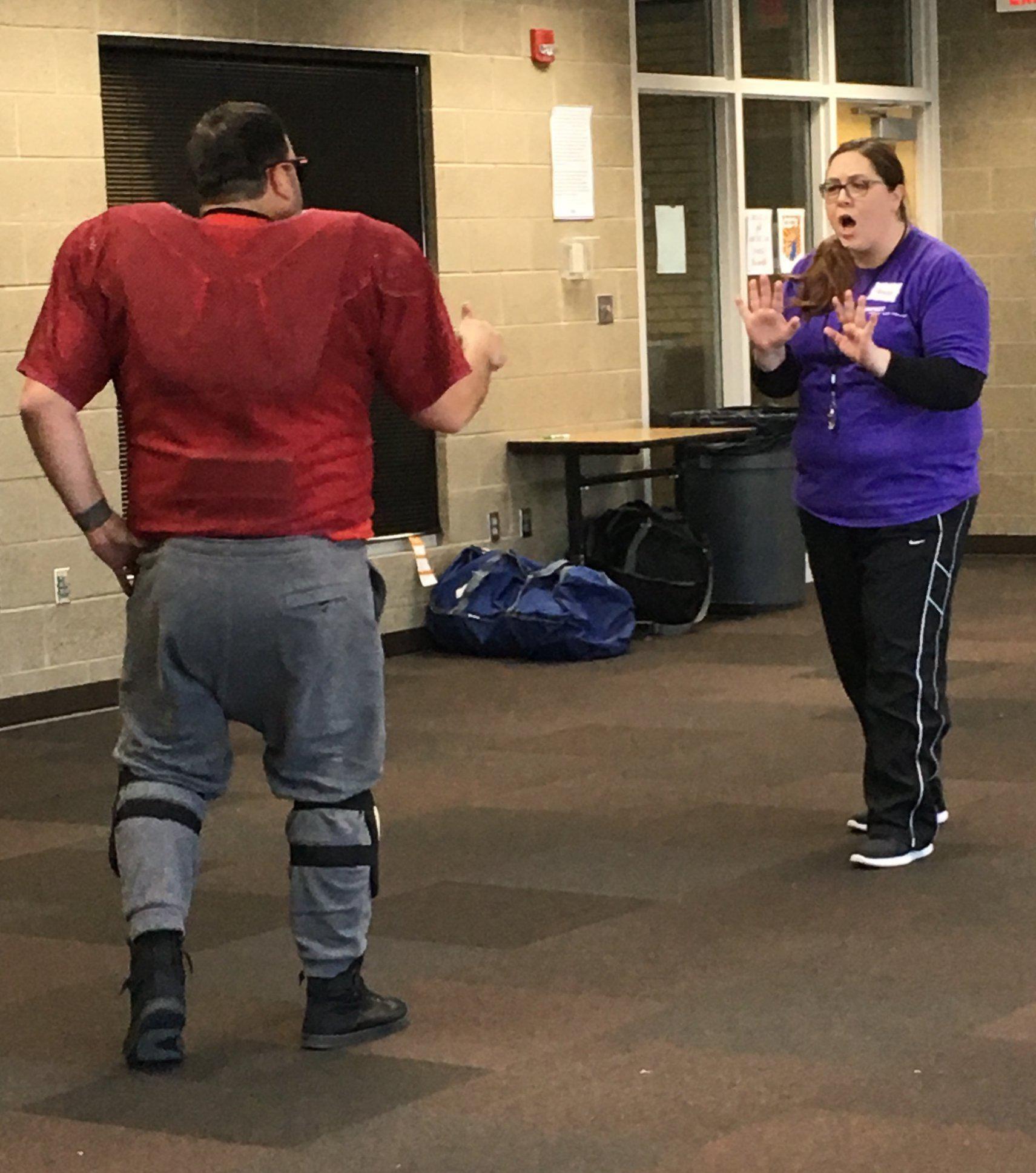
While searching for an elective class during this time, she came across a one-credit, 20-hour IMPACT self-defense class that could be done over a weekend. That single credit changed her life forever. It helped give her the confidence to leave her abusive relationship and inspired her to bring IMPACT classes to other Native women in her community.
I walked into class on a Friday thinking that I would simply learn how to handle a person trying to rob me, and I walked out on a Sunday evening with a voice so powerful that I could handle the most passive attacks to my being, along with physical attacks.”
It didn’t take long for her to notice the difference the class was making in her life.
“I was setting boundaries and people were either respecting them or not, but I was able to acknowledge who was worth keeping in my life and who wasn’t,” she says.
Following the class, she also joined a roller derby league where she met many other powerful women who inspired her — and during that summer, she found the courage to leave her abuser.
“As afraid as I was, I finally had the courage to report the abuse to legal authorities, and I had the support of friends and family who provided comfort for my children and I during this time,” she says.
A lot of change happened at once. As a newly single mom, she ended up leaving med school and transferring to a tech school to learn a trade. And because she knew what her abuser was capable of, she took a lot of precautions to keep herself and her family safe.
“I worked and studied hard while my children were in daycare and school, spent the evenings cooking & cleaning, and studied again once the children were in bed. After two years of classes, months of clinical rotations, and becoming alumni at the Mayo Clinic in Rochester MN, I graduated as a Surgical Technologist and began working full-time,” she remembers.
“It took a couple of years for my nerves to fully relax, but they finally did. It was so amazing to me how empowering it was to advocate for myself, I never stopped.”
She moved back to the reservation in 2015 to work for the health service and to be around family again.
“Within my first week of being home, I noticed so much violence that I once thought was normal behavior,” she says. “One morning, I got a phone call notifying me that my childhood friend was beaten and left for dead by her children’s father; she was flown out to the nearest ICU and taken in for surgery for a hematoma in her skull.”
“I knew something had to be done about this.”
Domestic abuse is a big problem on reservations like Shanda’s. More than four in five American Indian and Alaska Native women and men have experienced violence in their lifetime, and more than one in three experienced violence in the past year.
She spoke with several community members about the violence she was seeing, but she found they were quick to blame the victim. That’s when it occurred to her: “What if I started a self-defense class for Native women?” Shanda says. So she called up her former instructor, found a group of instructors, and attended another class with her new team. And from there they founded their own chapter.
“IMPACT is being used all over the world, yet has never been available to Indigenous communities until now,” she says. “Currently, our team consists of four core members; two suit instructors and two female lead instructors, all Indigenous members of our Turtle Mountain Band of Chippewas. All members are active in empowering our community in many ways.”
“During the closing circles in our workshops, we all get to see the strength and transformation these women worked so hard for. We get to see them take their power back from those who hurt them.”
And that is why Shanda is being named one of Tory Burch’s “Empowered Women” this year. The $5000 donation will be made to IMPACT to help them bring IMPACT to more indigenous communities across the country and further their mission to help Native women recognize and protect themselves from physical violence.
“Empowering women should be as common as knowing how to perform CPR,” Shanda says.
“Truth is, I know what it feels like to be on both sides of empowerment. I know the fear, pain, and humiliation that comes with domestic violence, sexual assault, trauma, and PTSD and I recognize it in my students,” she continues.
“I also know what it feels like to step out of that proverbial cage. To be able to breathe freely. To speak freely. To walk the earth in a good and healthy way. I wish this freedom and empowerment for every person on earth.”
To learn more about Tory Burch and Upworthy’s Empowered Women program visit https://www.toryburch.com/empoweredwomen/. Nominate an inspiring woman in your community today!
When Molly Reeser was a student at Michigan State University, she took a job mucking horse stalls to help pay for classes. While she was there, she met a 10-year-old girl named Casey, who was being treated for cancer, and — because both were animal lovers — they became fast friends. Two years later, Casey…
When Molly Reeser was a student at Michigan State University, she took a job mucking horse stalls to help pay for classes. While she was there, she met a 10-year-old girl named Casey, who was being treated for cancer, and — because both were animal lovers — they became fast friends.
Two years later, Casey died of cancer.
“Everyone at the barn wanted to do something to honor her memory,” Molly remembers. A lot of suggestions were thrown out, but Molly knew that there was a bigger, more enduring way to do it.
“I saw firsthand how horses helped Casey and her family escape from the difficult and terrifying times they were enduring. I knew that there must be other families who could benefit from horses in the way she and her family had.”
Molly approached the barn owners and asked if they would be open to letting her hold a one-day event. She wanted to bring pediatric cancer patients to the farm, where they could enjoy the horses and peaceful setting. They agreed, and with the help of her closest friends and the “emergency” credit card her parents had given her, Molly created her first Camp Casey. She worked with the local hospital where Casey had been a patient and invited 20 patients, their siblings and their parents.
The event was a huge success — and it was originally meant to be just that: a one-day thing. But, Molly says, “I believe Casey had other plans.”
One week after the event, Molly received a letter from a five-year-old boy who had brain cancer. He had been at Camp Casey and said it was “the best day of his life.”
“[After that], I knew that we had to pull it off again,” Molly says. And they did. Every month for the next few years, they threw a Camp Casey. And when Molly graduated, she did the most terrifying thing she had ever done and told her parents that she would be waitressing for a year to see if it might be possible to turn Camp Casey into an actual nonprofit organization. That year of waitressing turned into six, but in the end she was able to pull it off: by 2010, Camp Casey became a non-profit with a paid staff.
“I am grateful for all the ways I’ve experienced good luck in my life and, therefore, I believe I have a responsibility to give back. It brings me tremendous joy to see people, animals, or things coming together to create goodness in a world that can often be filled with hardships.”
Camp Casey serves 1500 children under the age of 18 each year in Michigan. “The organization looks different than when it started,” Molly says. “We now operate four cost-free programs that bring accessible horseback riding and recreational services to children with cancer, sickle cell disease, and other life-threatening illnesses.”
In addition to the day camp, they have also found ways to make horses accessible to immunocompromised, homebound patients through their Horsey House Call program. “[It] deploys 30 times a summer to knock on the doors of vulnerable children and surprise them with a horse for the afternoon,” she explains. “Our all-volunteer team and therapy horse stays for about 3 hours to provide rides, grooming lessons, games, crafts, pizza, music, and more.”
Other programs offered include Cowboy Camp Outs, an all-inclusive weekend getaway for families, and Lone Star Getaways, which provides a cost-free stay at a privately-owned rental property.
Camp Casey is also collaborating with other nonprofits to increase their impact in the community. They’re currently partnering with the Buffalo Soldiers Heritage Association, which spreads awareness of the first all-Black cavalry in the United States. Together, they’re deploying some of the Buffalo Soldiers’ horses to Horsey House Calls and inviting families to the Buffalo Soldiers stables.
Molly is being named one of Tory Burch’s Empowered Women of the year for her work with Camp Casey. The donation she receives as a nominee is being awarded to Camp Casey’s programs run at the Buffalo Soldiers Heritage Association.
“The ultimate goal for Camp Casey is to be able to offer year-round programs,” Molly says. “Michigan’s harsh winters make it difficult to conduct our outdoor programs but, sadly, many of the children who need our services pass away before the weather permits us to serve them.”
“We are actively working with the Buffalo Soldiers Heritage Association and the city of Detroit to eventually erect an indoor horseback riding arena that would allow for year-round programs for both nonprofit organizations.”
Davina Agudelo was born in Miami, Florida, but she grew up in Medellín, Colombia. “I am so grateful for my upbringing in Colombia, surrounded by mountains and mango trees, and for my Colombian family,” Agudelo says. “Colombia is the place where I learned what’s truly essential in life.” It’s also where she found her passion…
Davina Agudelo was born in Miami, Florida, but she grew up in Medellín, Colombia.
“I am so grateful for my upbringing in Colombia, surrounded by mountains and mango trees, and for my Colombian family,” Agudelo says. “Colombia is the place where I learned what’s truly essential in life.” It’s also where she found her passion for the arts.
While she was growing up, Colombia was going through a violent drug war, and Agudelo turned to literature, theater, singing, and creative writing as a refuge. “Journaling became a sacred practice, where I could leave on the page my dreams & longings as well as my joy and sadness,” she says. “During those years, poetry came to me naturally. My grandfather was a poet and though I never met him, maybe there is a little bit of his love for poetry within me.”
In 1998, when she left her home and everyone she loved and moved to California, the arts continued to be her solace and comfort. She got her bachelor’s degree in theater arts before getting certified in journalism at UCLA. It was there she realized the need to create a media platform that highlighted the positive contributions of LatinX in the US.
“I know the power that storytelling and writing our own stories have and how creative writing can aid us in our own transformation.”
In 2012, she started Alegría Magazine and it was a great success. Later, she refurbished a van into a mobile bookstore to celebrate Latin American and LatinX indie authors and poets, while also encouraging children’s reading and writing in low-income communities across Southern California.
When the pandemic hit in 2020, she decided it was time to do even more to serve people during these difficult times.
“It became clearer to me that the lack of representation in the book publishing industry for BIPOC/LatinX writers & poets had to change,” she says. “I want to be an agent of change in the publishing industry and contribute to its transformation.”
She created Alegría Publishing to nurture and produce works by indie LatinX storytellers and expanded the mobile bookstore to celebrate BIPOC/LatinX writers and poets, as well as the books published by Alegría publishing. And one day she hopes that she can take the bookstore across the United States and discover even more emerging writers.
Today, Agudelo also mentors indie authors two nights a week through the Alegría Writing Collective for LatinX writers. “They rock my world every class,” she says.
“The amount of talent in our community pushes me to keep growing our company so the world can read their work and remember their names.”
Agudelo has made it her mission to empower women and her community. “My career has been such a blessing filled with magical milestones and I never take these moments for granted,” she says. “There is nothing like being able to make a woman’s dream of publishing their first book and bring it to life. Watching their reaction, when they look at their book for the first time is priceless.”
“As women, we are naturally powerful, we just have to keep reminding each other of our power.”
Agudelo is one of Tory Burch’s Empowered Women this year. The donation she receives as a nominee is being awarded to The Sims Library of Poetry, which is the first black-owned poetry library in California.
“Hiram Sims, its founder, started lending books to his university students out of this suitcase after mandating that they read one book of poetry a week. As demand grew, his suitcase library was forced to seek a larger home,” says Agudelo. “Their mission is to serve, educate, and foster a love for poetry, especially for marginalized people of color in the community of South Los Angeles.”
To learn more about Tory Burch and Upworthy’s Empowered Women program visit toryburch.com/empoweredwomen. Nominate an inspiring woman in your community today.