As part of an experiment, a man asks for help translating a Facebook message he has received.
There’s a man in Lithuania who speaks only English. The message is in Lithuanian. He can’t read it, so he asks some locals to translate it for him.
[rebelmouse-image 19498908 dam=”1″ original_size=”1200×624″ expand=1]
As he asks one person after another to translate the message for him, two things become obvious.
1. He’s received a message full of hate speech.
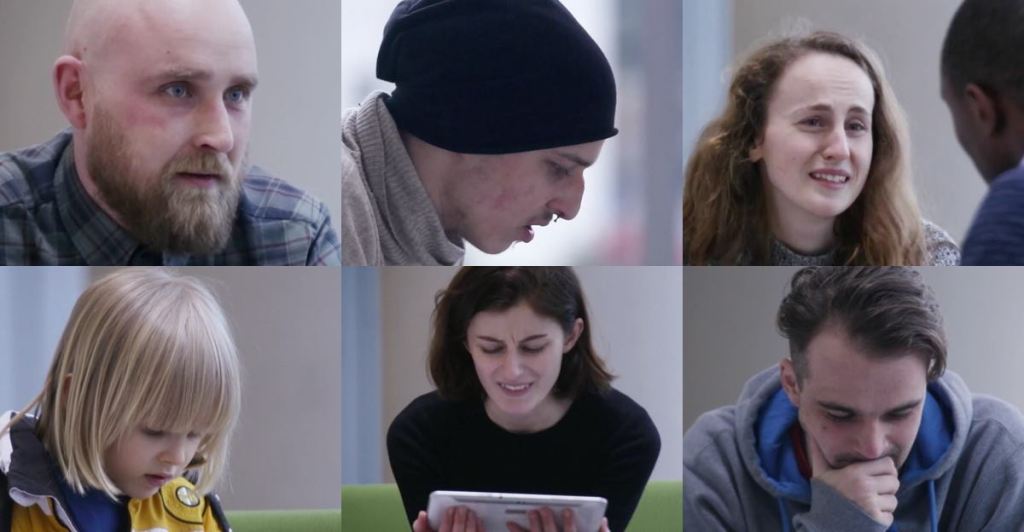
2. Translating it for him is breaking people’s hearts.
It’s nearly more than these people can bear.
There’s a sudden, powerful connection between the translators and the man they’re translating for. They want to protect him, telling him not to bother with the message.
They apologize for the message.
They look like they want to cry.
Words hurt.
Most of us would never think of saying such horrible things. This video shows people realizing in their gut what it must feel like when those words are pointed at them — it’s all right on their faces. And so is their compassion.
The Facebook message is horrible, but their empathy is beautiful. The video’s emotional power is what makes it unique, and so worth watching and passing around.
Here it is.
The video’s in English, subtitled in Lithuanian. Just watch the faces.
This article originally appeared on 04.10.15