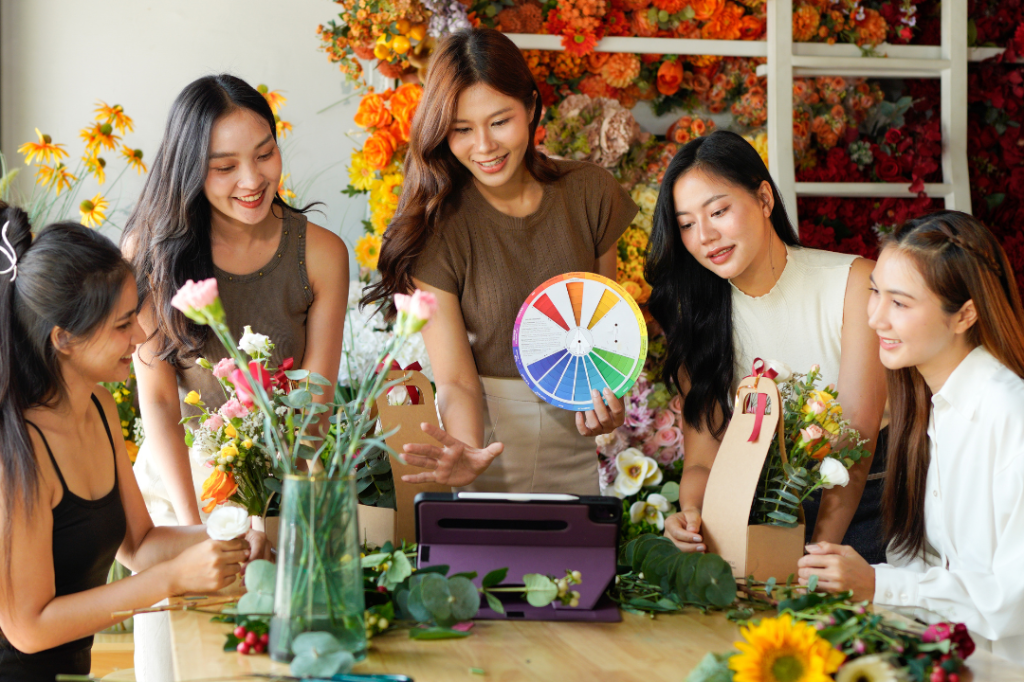
Imagine a puzzle competition held at a friend’s house, jigsaw pieces flying in a flurry. Or a beautiful Saturday morning flower-arranging class, the air fragrant with seasonal blooms, with no pressure to make small talk. What about a nature walk through local woods, where chatting with new people can happen naturally—or not?
These enticing options are part of a growing trend: “soft socializing.” It represents a significant cultural shift in how we connect, prioritizing shared activities over forced conversation and social performance.
Eventbrite’s 2026 Social Study surveyed 4,051 adults in the United States and the United Kingdom. It found that for today’s younger generation, socializing isn’t the main event: 58% call it “somewhat important, but don’t want it to be the focus.” Another 45% prefer control over when and how they interact, and 41% want the option to observe without small talk. Past generations might have labeled this “antisocial,” but Eventbrite calls it a redefinition of what it means to be social today.
What soft socializing actually means
Soft socializing means low-pressure, activity-based events where connection happens as a secondary outcome, not the main goal. The idea draws from parallel play, where children play side by side, absorbed in their own activities and comforted by others’ presence. Adults apparently feel the same way.
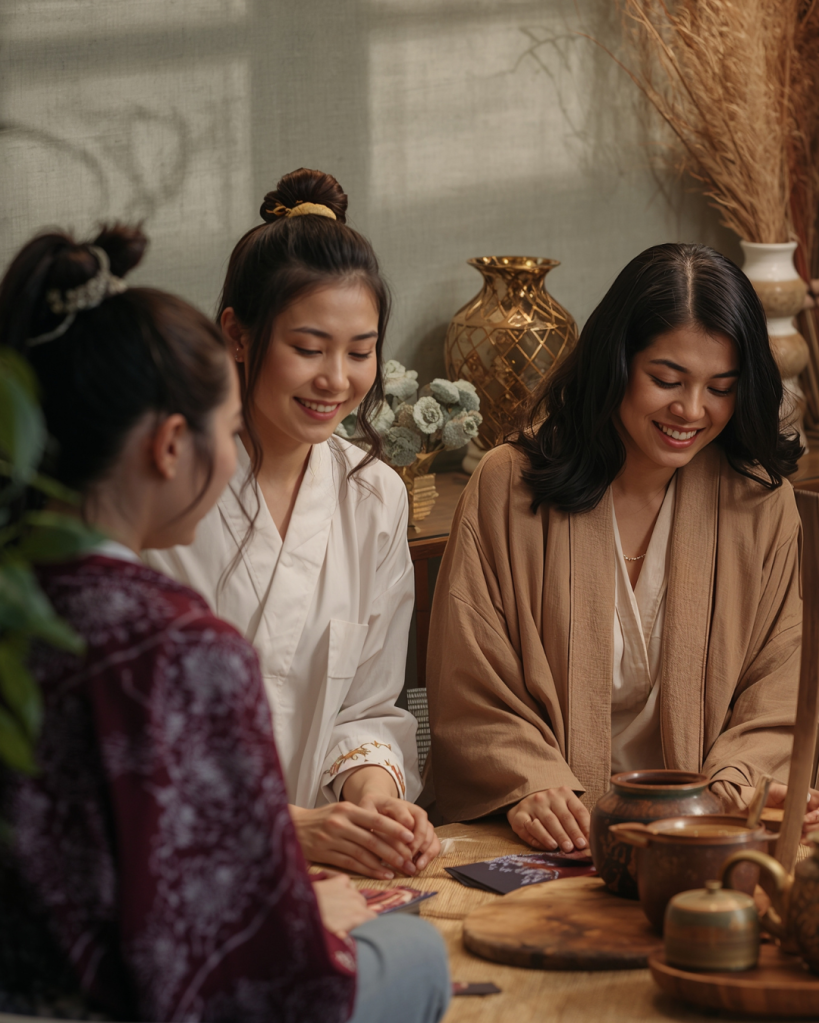
Parallel play, as researchers describe it, provides “a comforting middle ground where participants can enjoy the presence of others without the demands of conversation, leading to reduced stress and anxiety.”
In tea-tasting ceremonies or silent book clubs—popular, low-key socializing activities—participants share space and experience without the need for ongoing conversation. The activity itself serves as the anchor for connection. Conversation may unfold naturally, or it may not—both are absolutely welcome.
That relaxed structure is key. Traditional socializing pressures people to perform: be charming, interesting, engaged, and instantly happy. Low-pressure socializing shifts the focus from individuals to the activity.
The numbers behind the shift
Data from Eventbrite’s survey paints a striking picture of where people are showing up. Over the last two years, low-pressure events have seen remarkable growth:
- Flower-arranging events saw a 282% increase in attendance.
- Puzzle competitions grew by 151% in the U.S.
- Music bingo attendance increased by 149%.
- Caffeine tastings (like coffee, tea, and matcha) became more popular, with an 80% increase in events and a 49% rise in attendance.
- Silent events, such as silent discos and book clubs, saw a 14% increase in attendance.
These numbers show a desire for creative, low-pressure events that connect people with less effort.
The psychology of being present together
There’s solid science behind why soft socializing works so well.
A 2024 study in the journal Motivation and Emotion found that “intrinsically motivated silence” promotes greater closeness and satisfaction. It suggests that, in the right context, quiet that comes from emotional connection—not social obligation—can connect people more effectively than conversation.
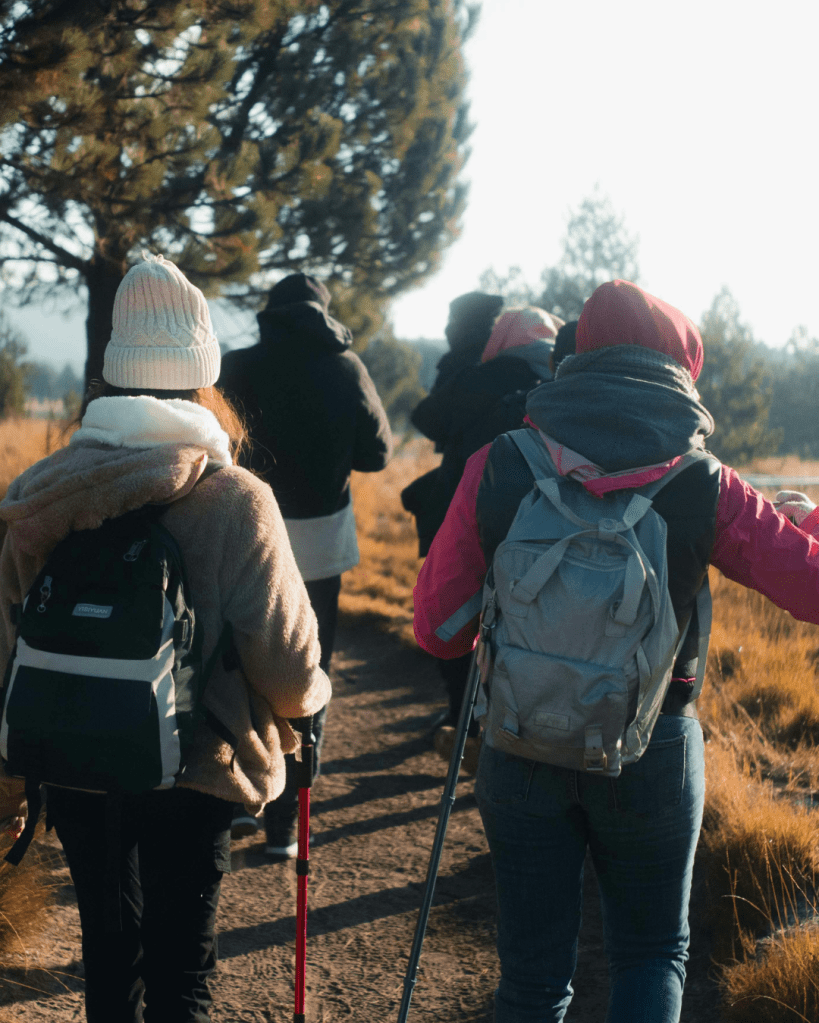
Similarly, research shows that shared activities increase oxytocin, a hormone linked to trust, empathy, and bonding. Stanford University researchers have found that oxytocin plays a significant role in social interactions, including everyday ones. Soft socializing activities—walking, crafting, or cooking—involve people moving and creating together, an effective way to build connections.
For those with mental health challenges, soft socializing can be vital. Nearly two-thirds (65%) of Gen Z reported experiencing at least one mental health problem in the past two years—especially with social anxiety—making the rise of soft socializing particularly important. When the activity takes center stage, social pressure drops.
Soft socializing and the loneliness epidemic
This discussion takes place against the backdrop of a loneliness crisis that the former U.S. Surgeon General has declared a national epidemic. In a 2023 advisory, Dr. Vivek Murthy warned that a lack of social connection carries health risks comparable to smoking up to 15 cigarettes a day. Those risks include a 29% increased chance of heart disease, a 32% increased risk of stroke, and a 50% greater likelihood of developing dementia among socially isolated older adults.
Loneliness statistics are startling. In a 2025 survey, about half of American adults reported feeling lonely. A 2024 poll found that among those aged 18–34, 30% said they feel lonely daily or several times a week. According to Murthy’s advisory, between 2003 and 2020 average monthly time spent alone increased by 24 hours, while time spent with friends dropped by 20 hours.
But here’s a startling twist: despite these feelings of disconnection, a 2026 Eventbrite study found that 79% of adults aged 18–35 want to attend more live events. As Eventbrite CEO Julia Hartz put it, “The most social generation in history is redefining what it means to be truly present.”
This signals a shift: people aren’t withdrawing—they’re craving meaningful bonds and growing disenchanted with traditional ways of forming them.
How to plan a soft socializing hang
Are you willing to give it a try? Here’s what you need to plan a successful soft socializing hang:
- Lead with activity
The key rule? Build the event around a shared activity, not conversation. Think craft nights, puzzle competitions, guided hikes, silent book clubs, board games, or cooking classes. Any format that gives people something to engage with—besides each other—works. The activity itself takes the conversational pressure off attendees.

- Choose the right venue
The right setting sets the mood before the event even begins. Think neighborhood cafés, local breweries, bookshops, and parks—venues with a naturally relaxed atmosphere.
- Interaction should be optional
Plan activities for small groups of three to five people. Try arranging seats side by side instead of face to face to ease the pressure of direct conversation. You can offer conversation starters, but don’t make them mandatory. Let people arrive and settle in at their own pace.
- On the day of the event, make your welcome warm but brief
Have materials ready so attendees can start immediately, avoiding awkward waits. Keep background music low and ambient. Close with a natural social moment—such as a snack or a group photo—for those who want to linger.
Rebuilding connection on your terms
As one 31-year-old told Business Insider, “We have to retrain ourselves to be social again.” Let soft socializing help. It lowers the stakes, removes social pressure, and allows connections to develop organically. Say goodbye to forced icebreakers.
The former surgeon general urges us to prioritize social connection as we would any major public health issue. While soft socializing is not a complete solution to loneliness, it marks a vital first step—shifting our approach from forced interaction to genuine, low-pressure connection through shared activities.