We’ve all had it drilled into us: reduce, reuse, recycle. But sometimes, putting that practice into motion can feel intimidating. What can one person do beyond sorting our trash where it’s allowed and skipping the plastic bags at the grocery store? Two college students in New Orleans saw their city’s lack of active glass recycling as an opportunity to make a massive impact.
According to the U.S. Geological Survey, Louisiana loses up to 75 square kilometers of wetlands per year due to normal erosion. That’s before human activities complicate things. Rebuilding and reinforcing these coastlines are critical to sustaining drinkable water, supporting commercial fishing, and protecting vulnerable wildlife systems. One major solution is to add sand in these spots. The problem: it can’t just be any kind of sand. The wrong kind of surface material could harm the area’s biome, making the issue even worse.
Meanwhile, two local college students discovered that their city had no real system for recycling glass. Instead of writing a strongly worded letter, they took direct action.
A bottle of wine turned into a business plan
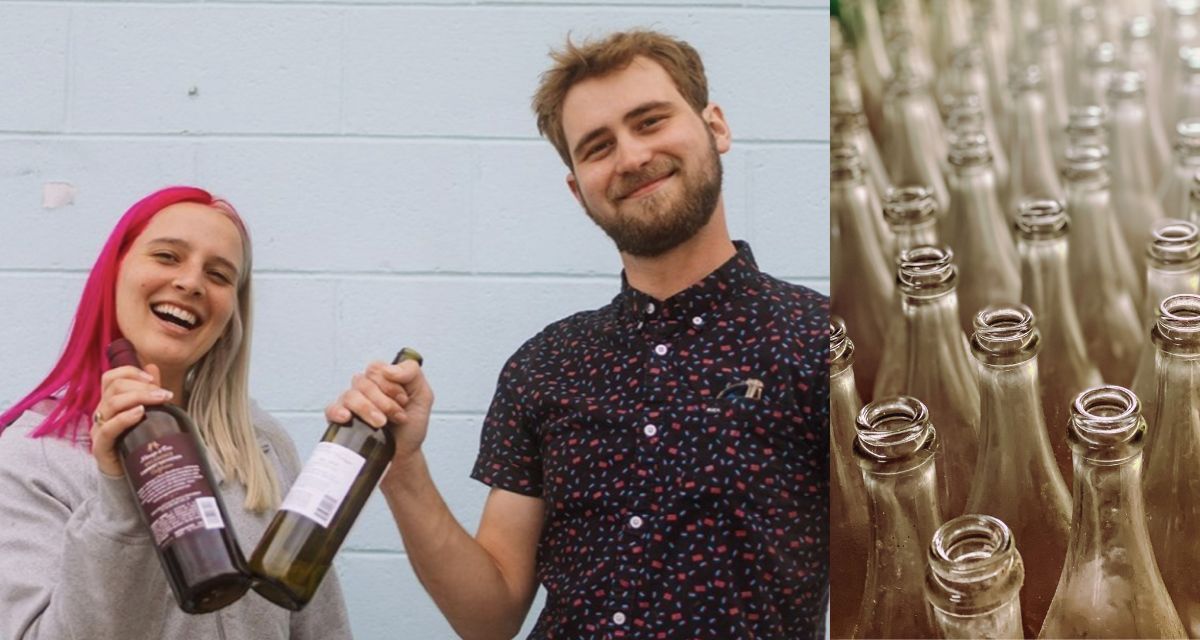
Back in 2020, Tulane University seniors Franziska Trautmann and Max Steitz were sharing a bottle of wine. Their conversation took an unexpected turn when both realized that New Orleans didn’t offer curbside glass recycling. The Big Easy is famous for music, food, and fun—including its many bars, breweries, and wineries. Imagine the empty bottles sitting in dumpsters lining Bourbon Street alone. Without any recycling infrastructure, every empty bottle from those establishments was headed straight to a landfill. The city’s regular recycling bins only served paper and plastic. One glass bottle could get the whole bin rejected and sent to the dump instead.
Trautmann and Steitz decided to tackle the problem themselves. They founded Glass Half Full, a glass-recycling company. They began operations in a fraternity backyard with a small machine that crushed one bottle at a time. It was slow going at first, but the idea caught on fast. Donations and glass drop-offs poured in from residents eager for an actual solution. The operation has since scaled up dramatically, now processing thousands of bottles a day and pulverizing them into a fine, sand-like material that will never have to see a landfill.
From landfill-bound bottles to rebuilt wetlands
That crushed glass turned out to be more than just a clever way to keep bottles out of the trash. Louisiana is losing its coastline at an alarming rate. These areas serve as an important buffer zone for coastal flooding, especially during hurricane season. Working with researchers at Tulane, Glass Half Full tested its recycled glass sand to ensure it was safe for the environment and free of contaminants that could harm wildlife or water quality. Once their glass-into-sand material passed the test, it found a powerful second life: helping rebuild the wetlands and barrier islands that protect Louisiana’s coast.
The team has since deployed their glass sand in several more restoration projects, including work with the Pointe-au-Chien Indian Tribe and coastal wildlife refuges along Lake Pontchartrain. Altogether, Glass Half Full has diverted millions of pounds of glass from landfills, all while giving Louisiana’s disappearing shoreline something to hold onto. The company also creates numerous alternative products, like manufacturing sandbag material.
It’s the kind of story that makes “doing your part” feel a little less abstract. Two students noticed a broken system and built a solution to help us all.