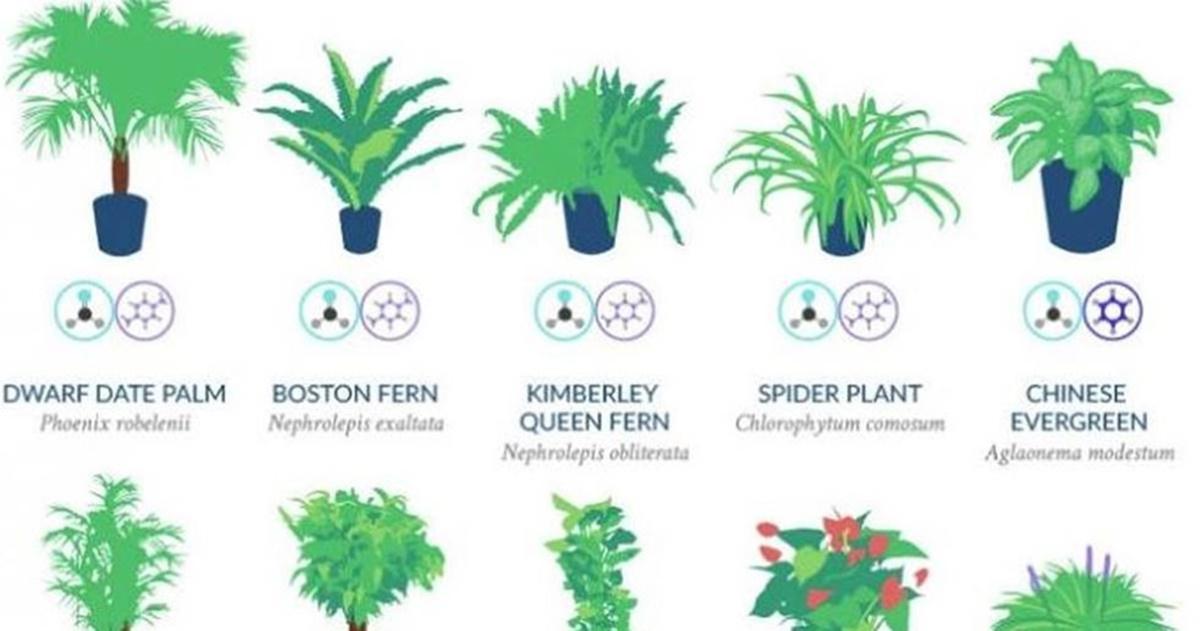
Back in the late ’80s, NASA was looking for ways to detoxify the air in its space stations. So it conducted a study to determine the most effective plants for filtering the air of toxic agents and converting carbon dioxide to oxygen.
In 1989, their results were published in a clean air study that provided a definitive list of the plants that are most effective at cleaning indoor air. The report also suggested having at least one plant per every hundred square feet of home or office space.
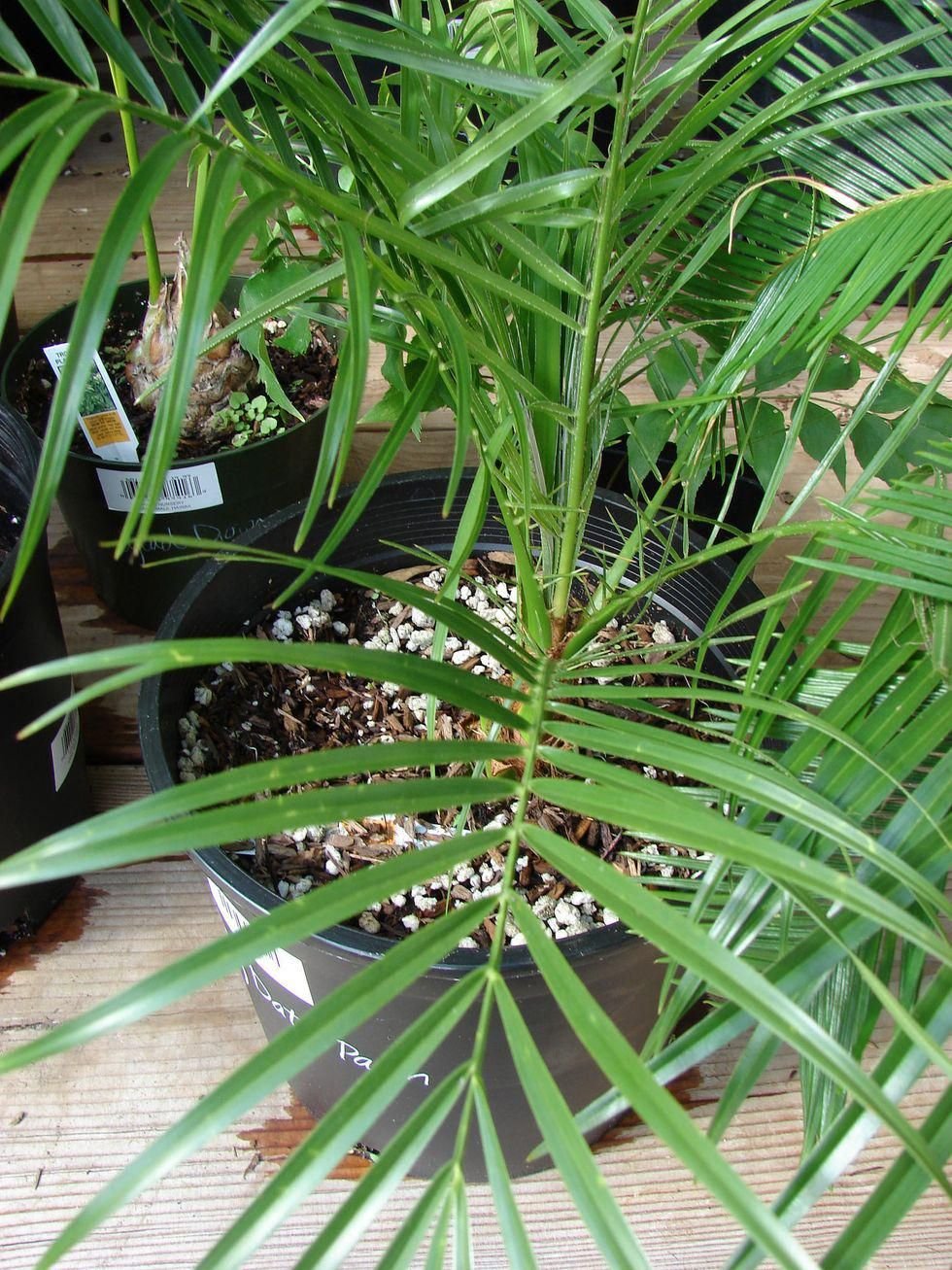
1. Dwarf Date Palm
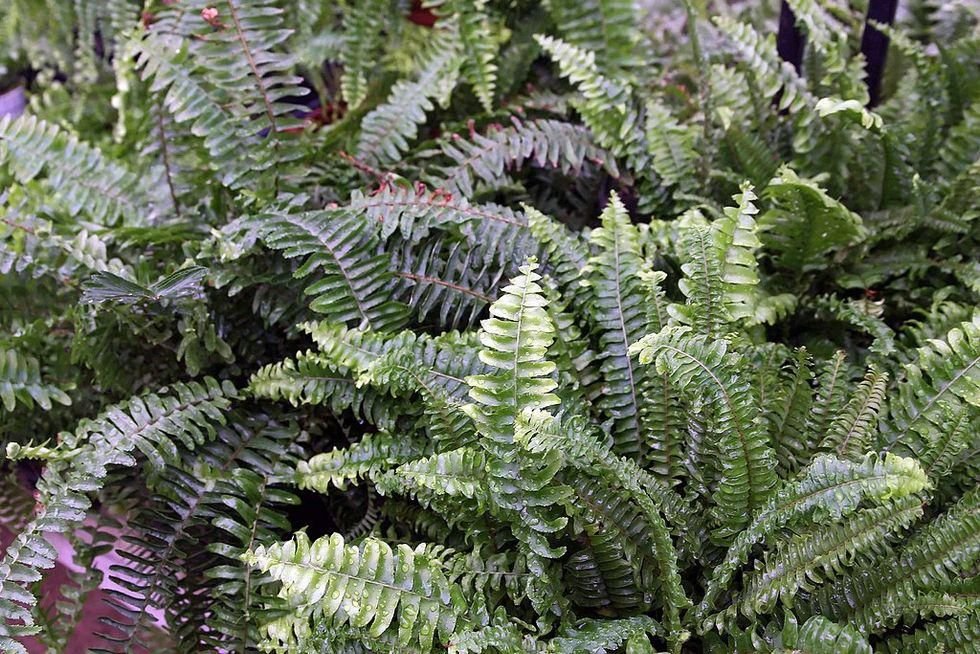
2. Boston Fern

3. Kimberly Queen Fern
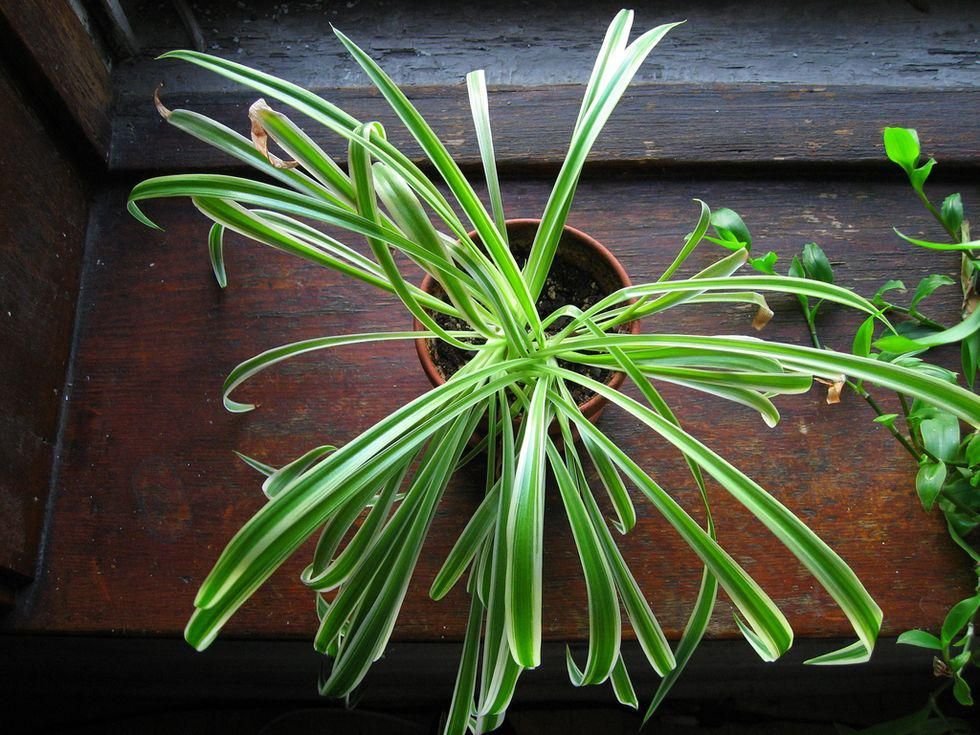
4. Spider Plant
5. Chinese Evergreen
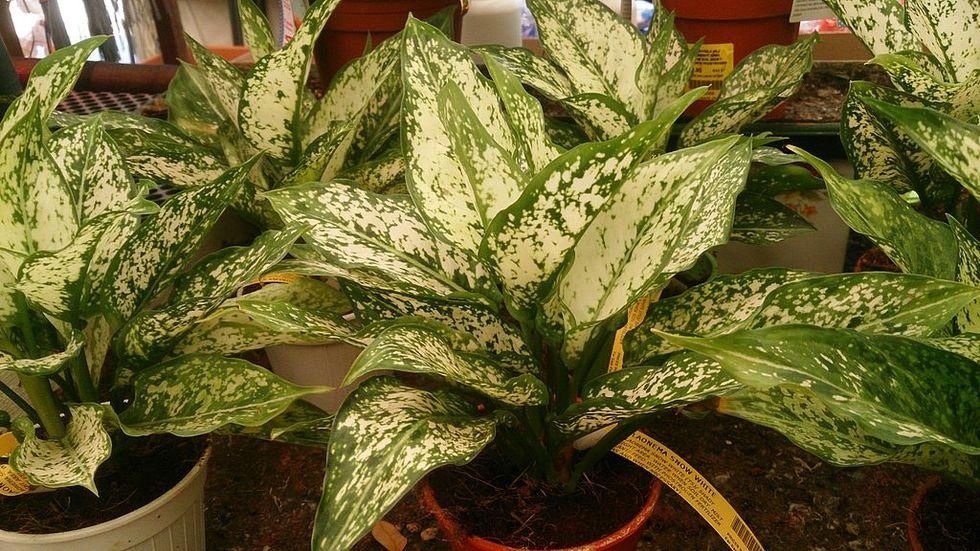
6. Bamboo Palm
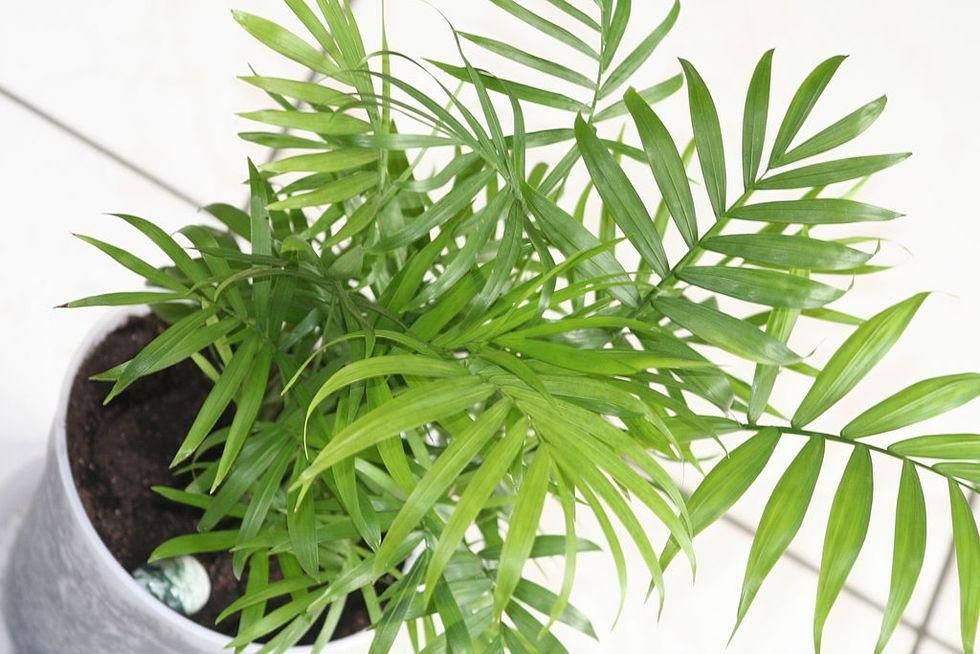
7. Weeping Fig
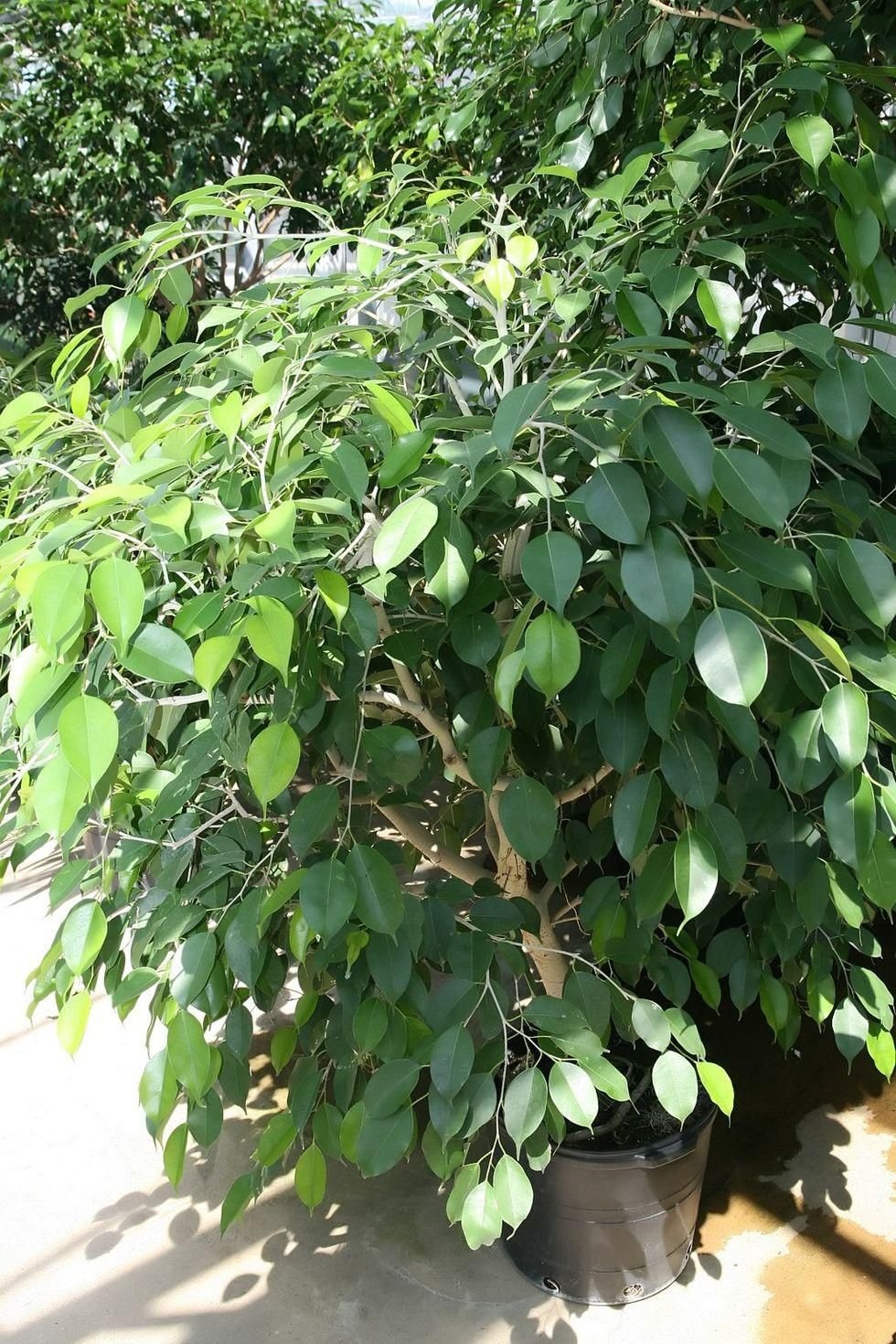
8. Devil’s Ivy
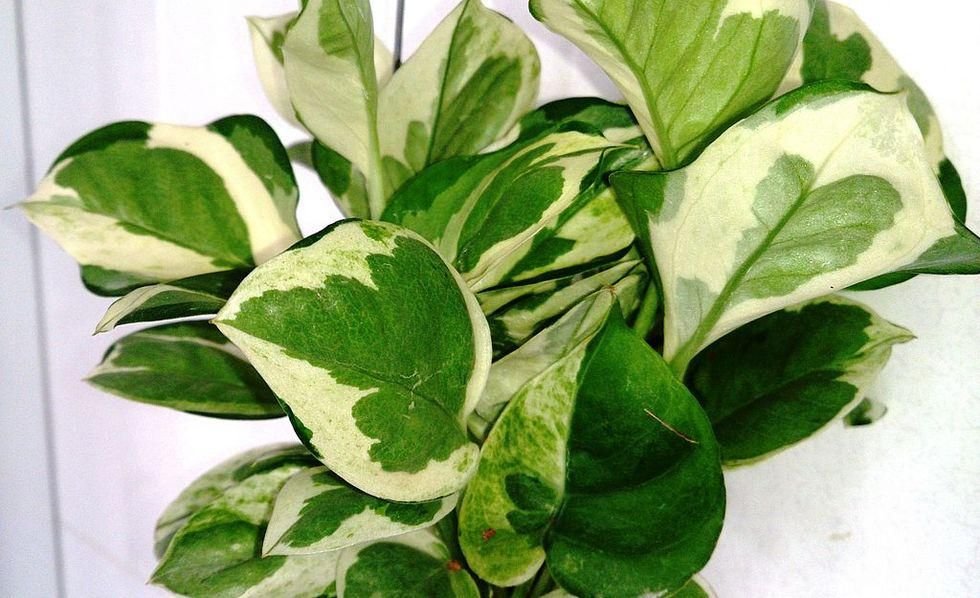
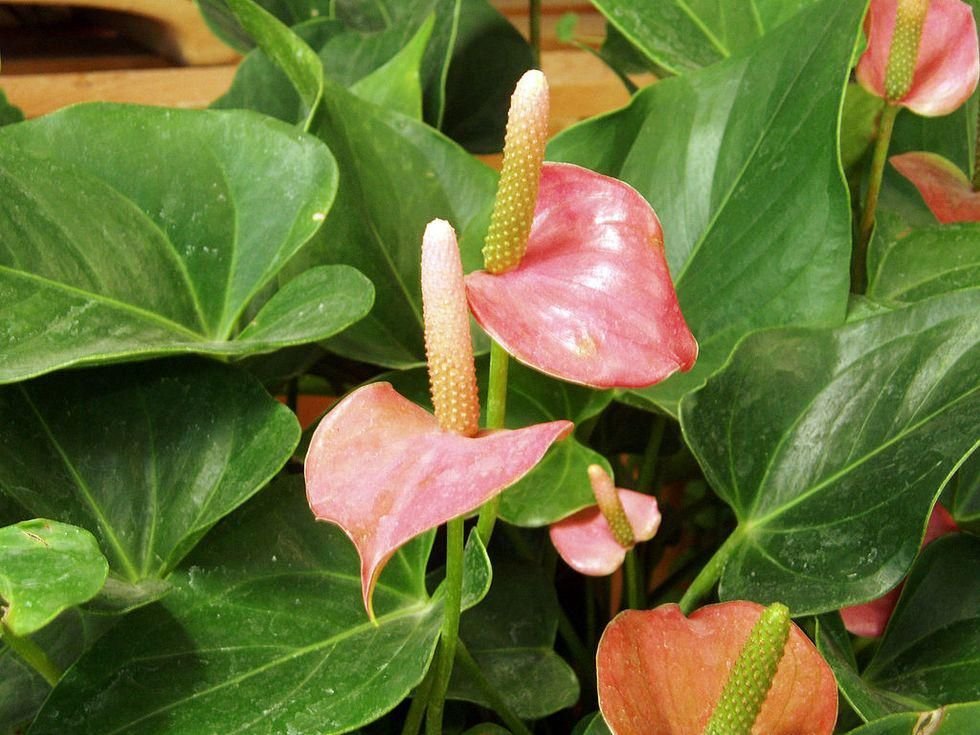
9. Flamingo Lily
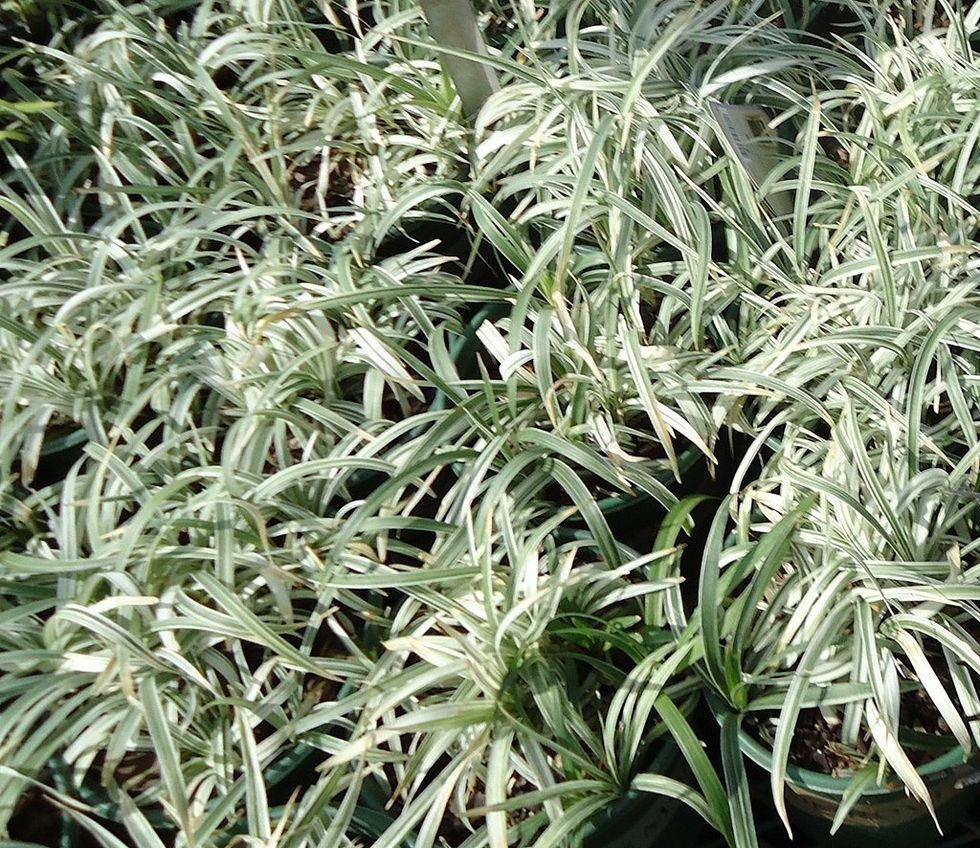
10. Lilyturf
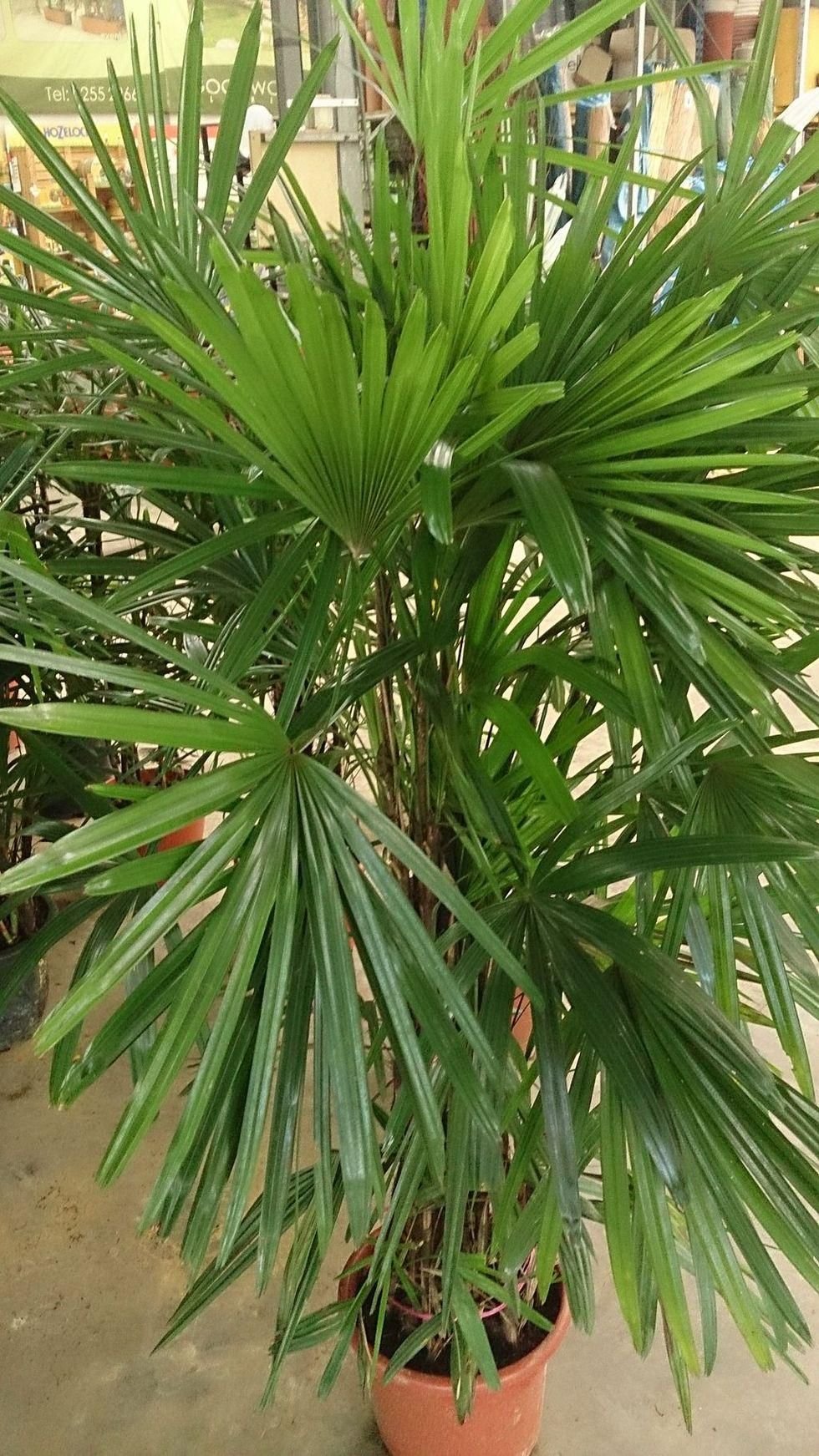
11. Broadleaf Lady Palm
12. Barberton Daisy

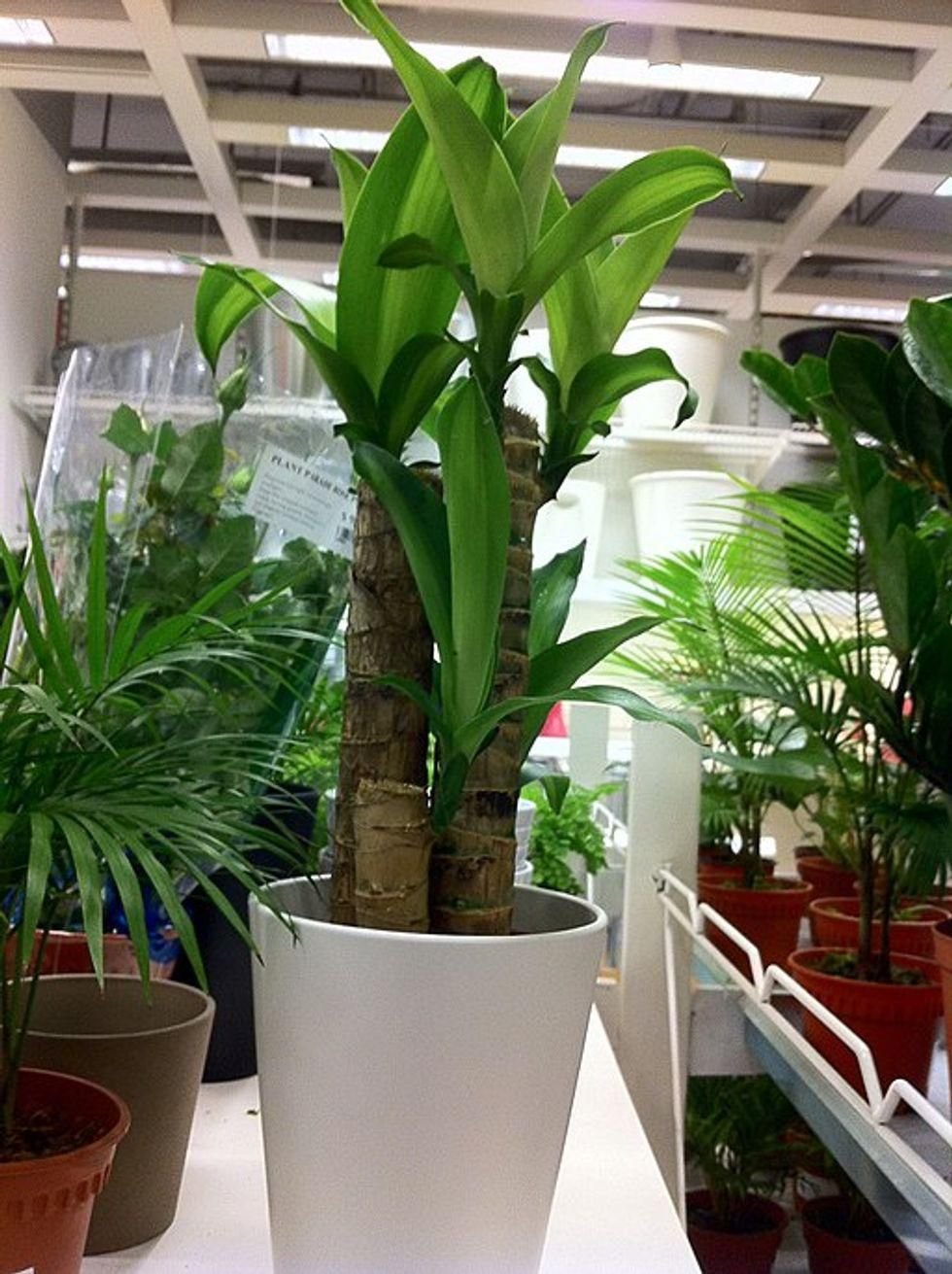
13. Cornstalk Dracena
14. English Ivy

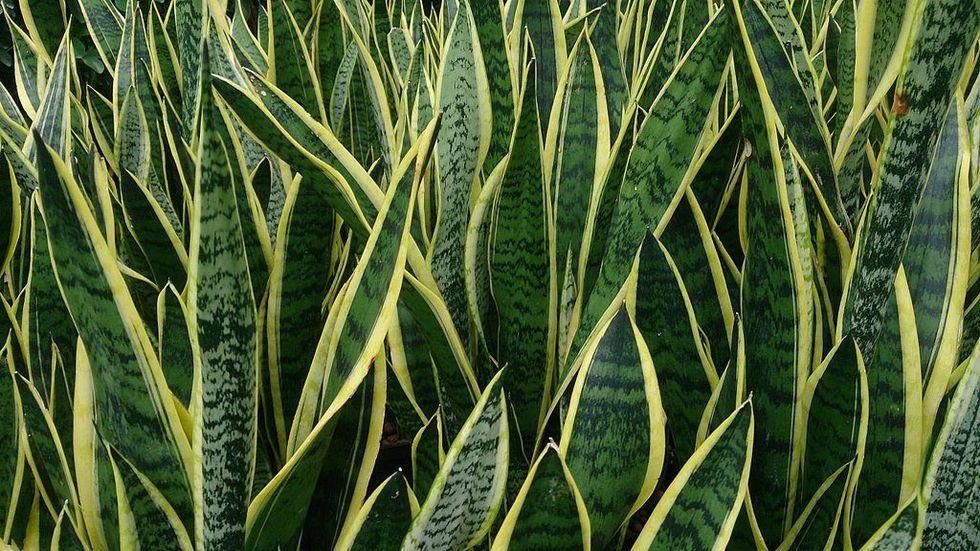
15. Varigated Snake Plant
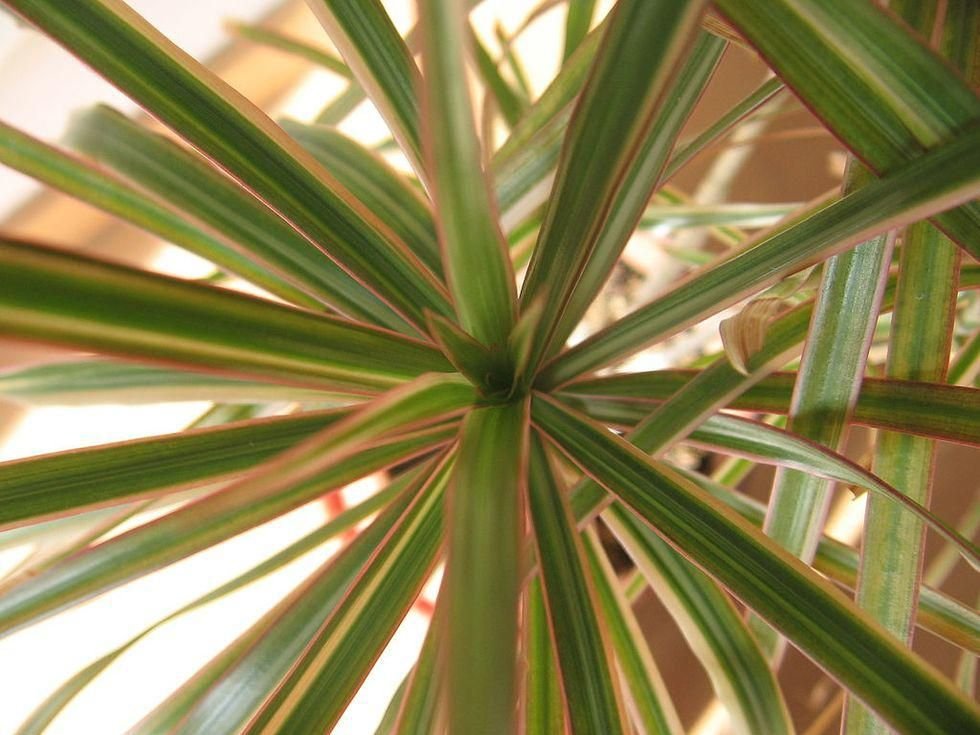
16. Red-Edged Dracaena
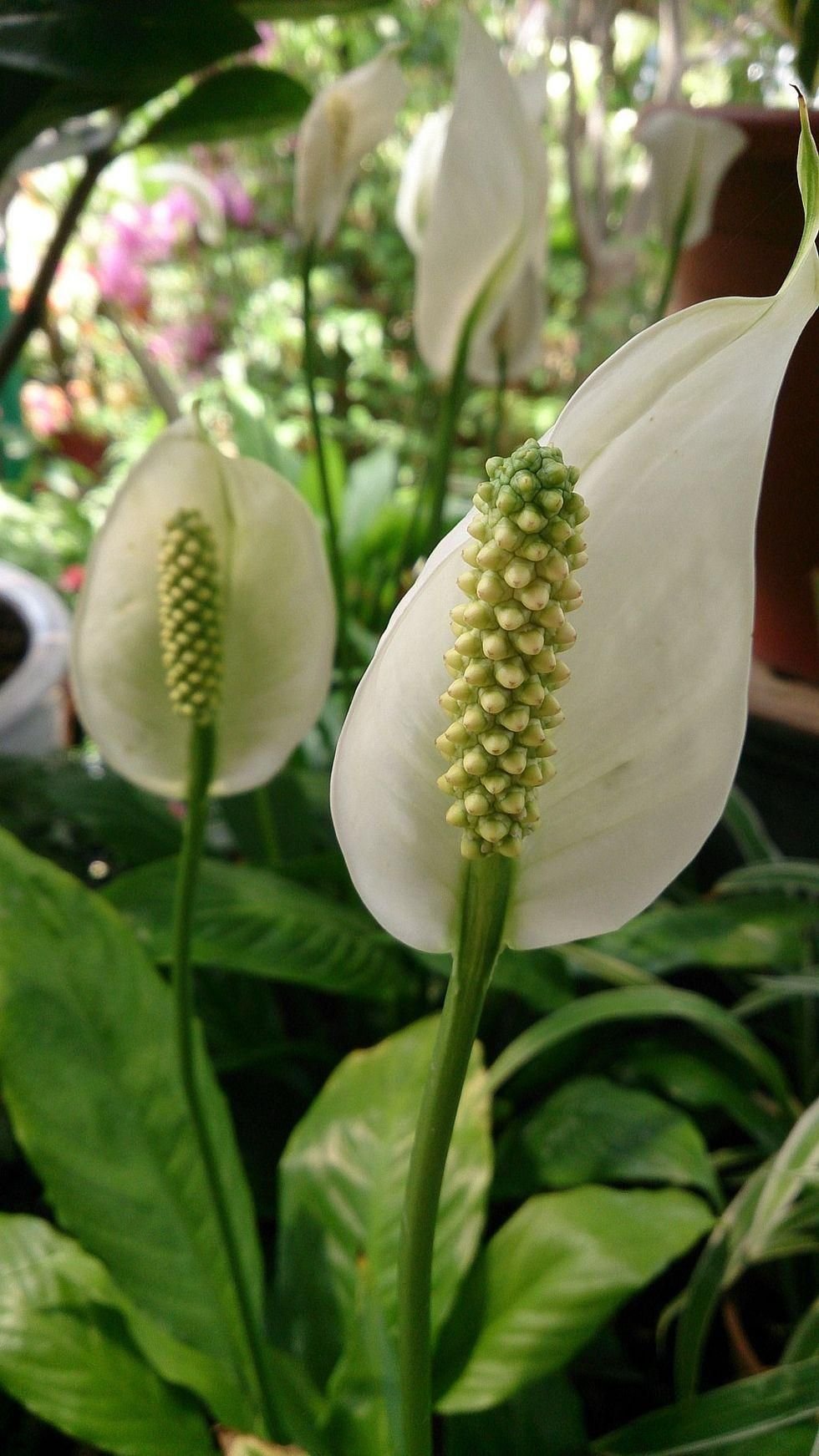
17. Peace Lily
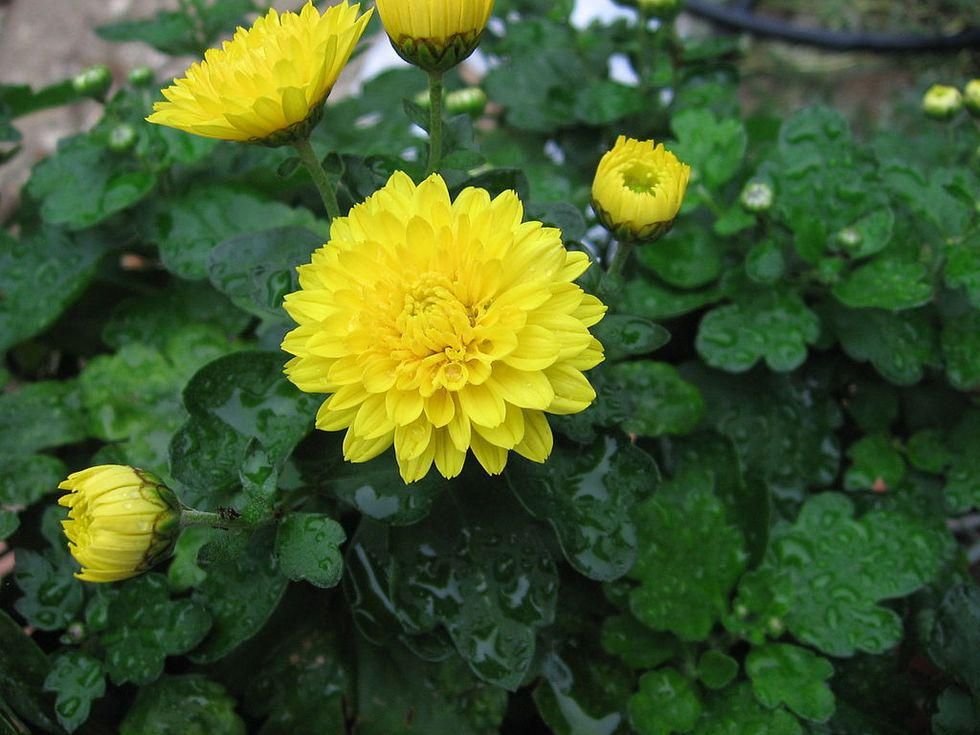
18. Florist’s Chrysanthemum
What’s in our air?
Trichloroethylene – Found in printing inks, paints, lacquers, varnishes, adhesives, and paint removers. Symptoms associated with short-term exposure include: excitement, dizziness, headache, nausea, and vomiting followed by drowsiness and coma.
Formaldehyde – Found in paper bags, waxed papers, facial tissues, paper towels, plywood paneling, and synthetic fabrics. Symptoms associated with short-term exposure include: irritation to nose, mouth and throat, and in severe cases, swelling of the larynx and lungs.
Benzene – Used to make plastics, resins, lubricants, detergents, and drugs. Also found in tobacco smoke, glue, and furniture wax. Symptoms associated with short-term exposure include: irritation to eyes, drowsiness, dizziness, headache, increase in heart rate, headaches, confusion and in some cases can result in unconsciousness.
Xylene – Found in rubber, leather, tobacco smoke, and vehicle exhaust. Symptoms associated with short-term exposure include: irritation to mouth and throat, dizziness, headache, confusion, heart problems, liver and kidney damage and coma.
Ammonia – Found in window cleaners, floor waxes, smelling salts, and fertilizers. Symptoms associated with short-term exposure include: eye irritation, coughing, sore throat.
Please note: Some of these plants may be toxic for your pets, so please do your research to ensure your furry friends stay safe.
This article originally appeared on 08.13.21