For most generations, there seems to be (for lack of a better word) a “uniform.” Boomers, especially those who came of age in the late ’60s, are often thought of in bellbottoms and flowered shirts. Gen X-ers perfected the waist-tied plaid flannels, sideways baseball hats, and baggy jeans. (At least some did in our early 20s in the 1990s.)
But Millennials had their own adorable thing going on. They brought us “business casual at the club,” and not only was it charming, but it was also practical. While, of course, not everyone adheres to generational fashion trends, a woman on Instagram broke down the “vibe” for those who did.
Business at the club
Jillian Gerhardt, a mother of three and self-described “Millennial baddie,” posted a video on Instagram, joking, “Millennials meant business when it came to partying.” She explains, “That’s why we all wore business casual to the club. Our whole generation partied as if we thought an HR representative was gonna walk in at any moment.”
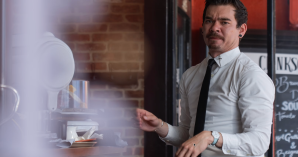
She explains her generation took slogans at face value. “We took ‘work hard/play hard’ literally. You’d show up at a party, and half the dudes there looked like they were about to give a marketing presentation. A pencil skirt hated to see us coming. A Peplum top and a chunky statement necklace in every color? Say less! We loved a vest or a blazer.” (She admits she still loves a blazer.)
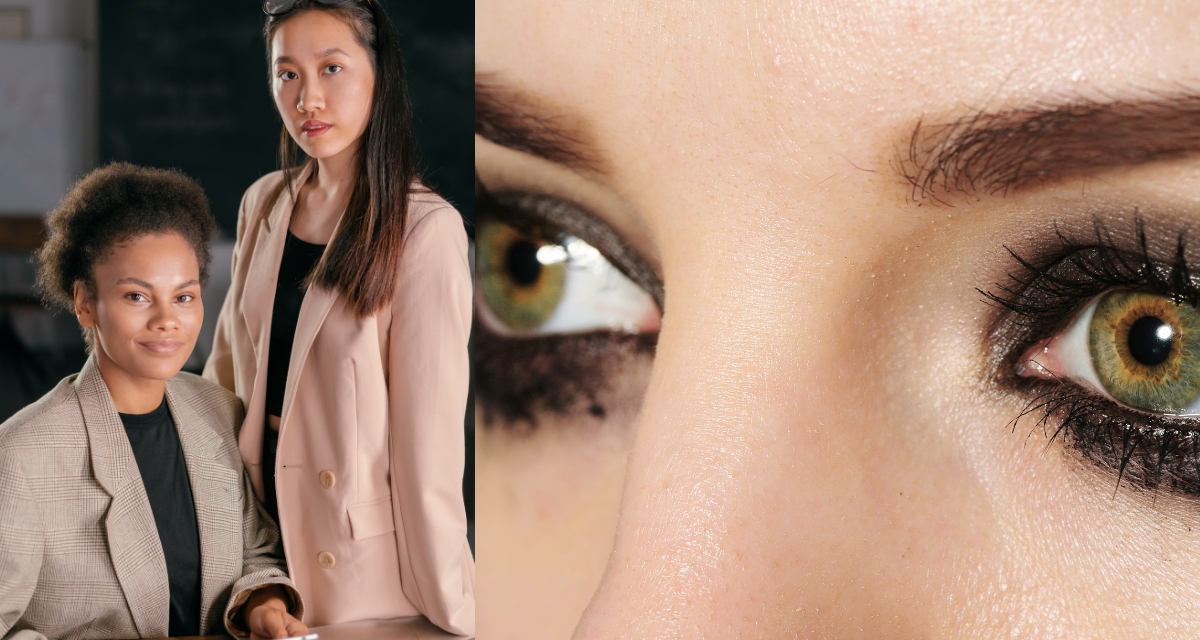
But the uniform worked. “No one was messing with us, though, in our business casual. I mean, we had magazines telling us how to take our look from ‘day to night.’ From the office to the club. From the internship to the club. No wonder we all dressed like business baddies! Last night’s mascara was this morning’s smoky eye!”
Sock buns and heels
There’s more about hairstyles and footwear. “Don’t even get me started on the sock buns. We loved a stiletto pump. Honestly, we’re always in heels. Business baddies for life!” Gerhardt makes a face and then flashes a peace sign.
The Instagram comments were full of people who wholeheartedly agreed. One wrote, in part, “Millennial women were walking key chains. Between the digital camera, the wristlet, the hair ties, the Betsy Johnson—you couldn’t lose us if you tried.”
Quite a few felt seen by the blazer comment. “The accuracy! And I will always love a well-structured blazer!!!” shared another.
A mature style
In the subreddit r/femalefashionadvice, the OP asks people to compare traditional Gen Z and Millennial fashion. One person writes of the latter, “Millennial fashion is more professional/better quality/structured—linens, trousers, heels, sandals, etc. Frankly, I think it has to do with millennials having more money. Low-key hair, nails and makeup. Neutral colors and patterns. It’s a more mature style.”
Another Redditor backs up the idea that Millennials were often (though not always) just a dash more upscale, writing, “Millennials prefer timeless, classic. Generally minimalist. Even when there are prints and patterns, the general silhouette will still be conservative with an occasional obsession with era-specific trends. They care more about having a coherent look. Tend to avoid things that seem too childish or raggedy. Still holding onto the Scandinavian trends. Still using the word ‘hipster.’”
’20 minutes from a performance review’
Forbes writer Jasmine Browley recently penned an entire piece about the Millennial aesthetic. She writes, “Here’s a joke that writes itself. You’ve seen the memes: a millennial at a Saturday rooftop party, drink in hand, wearing pressed trousers and a collared shirt. At the club. At the cookout. At brunch. Always dressed like they’re twenty minutes from a performance review. You even see some millennials posting their throwback going-out photos where they’re clad in blazers and heels while holding a drink.”
Browley points out that, while some make jokes, there was a pretty serious reason behind much of the trend. “The internet finds it hilarious. But the joke, like most good ones, is pointing at something real. The blazer at brunch isn’t a fashion failure. It’s honestly a confession that reveals what happened to an entire generation that was told to make work their identity—and did.”
Always kinda working
She adds, “The dominant aesthetic in 2026 deliberately blurs the line: blazers with sneakers, tailored trousers with casual tees—the explicit goal being pieces that transition seamlessly across settings. Millennials didn’t stumble into this aesthetic. They engineered it. They needed clothes that could go anywhere, because they go everywhere still half-working.”
For whatever reason the blazer and other “business casual” clothes had (and continue to have) such a hold on a generation, it looks like it might be here to stay. And many seem to be just fine with that.